


 English
 عربى
عربى
Home / Products / ZRF Series Square Port Rotary Valve / Stainless Steel Square Port Rotary Discharge Valve
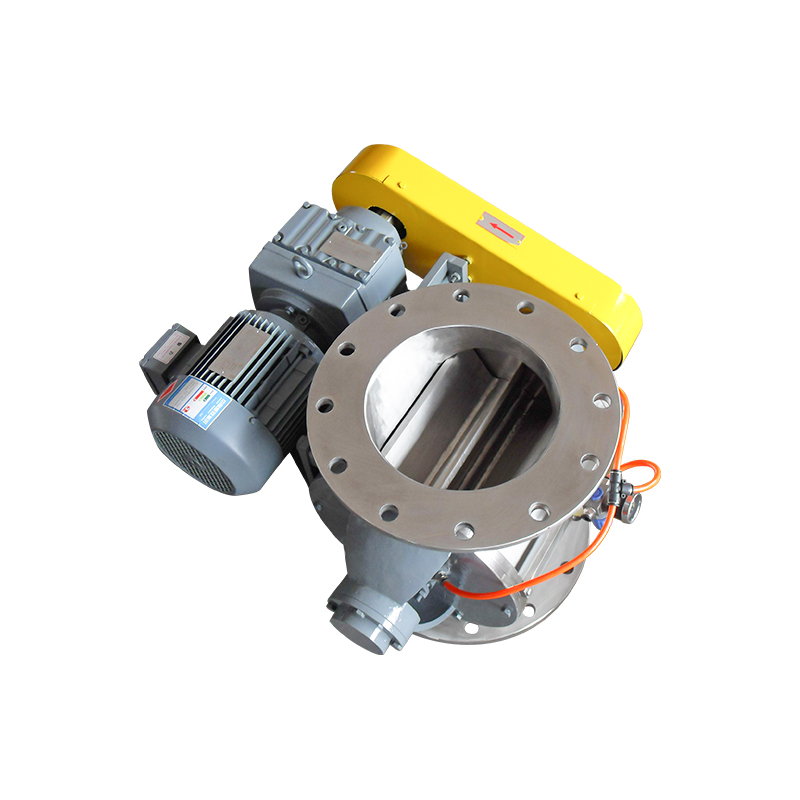
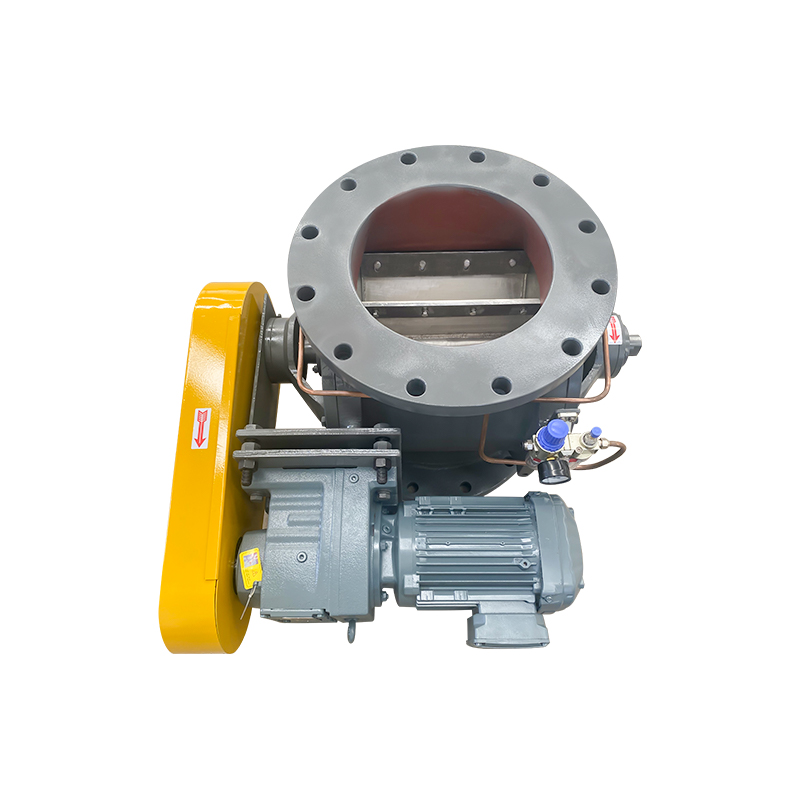
Custom Stainless Steel Square Port Rotary Discharge Valves
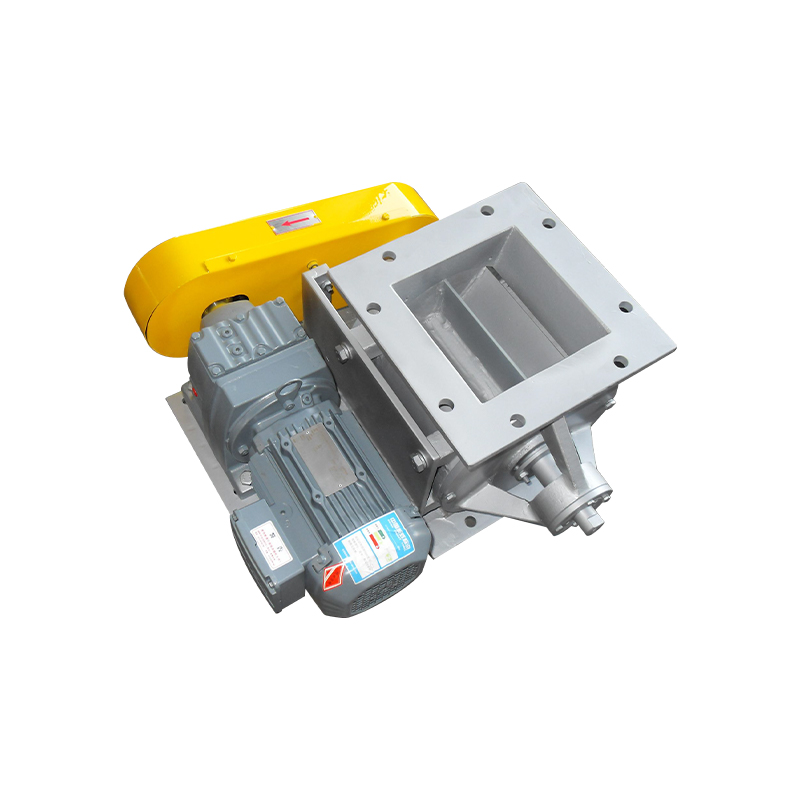
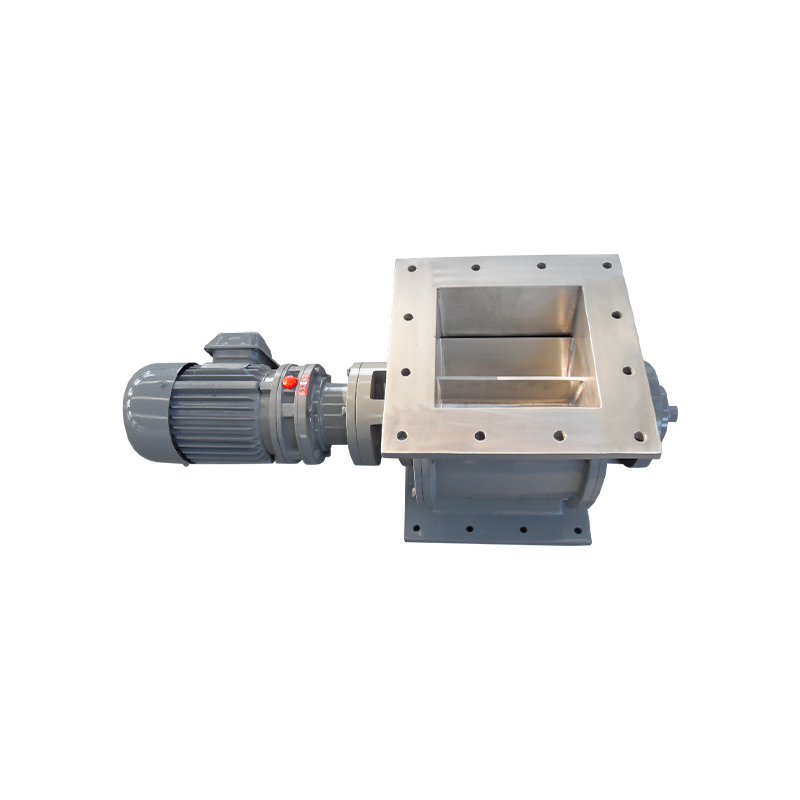
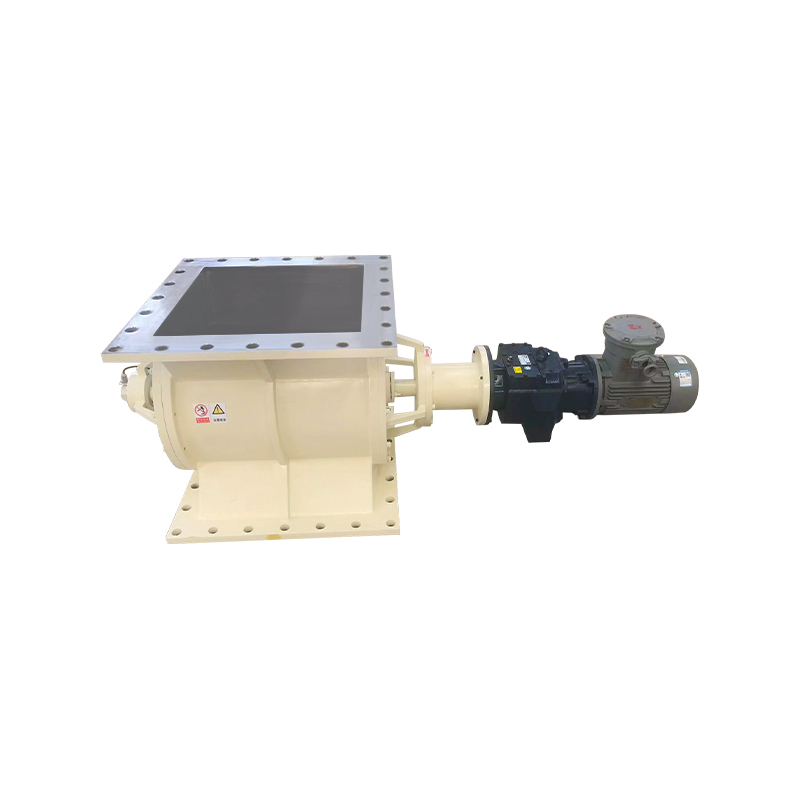
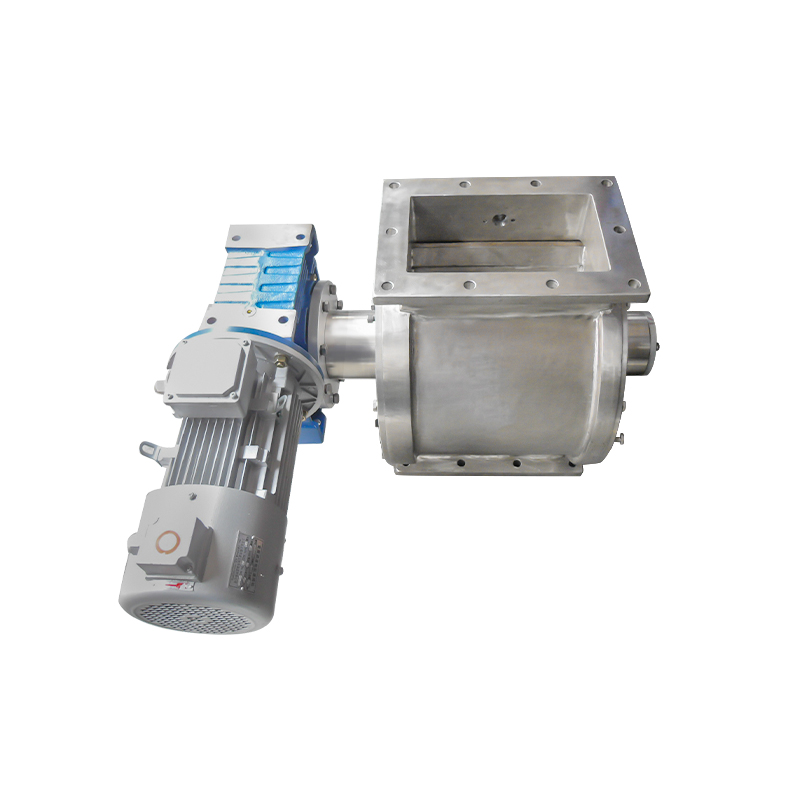
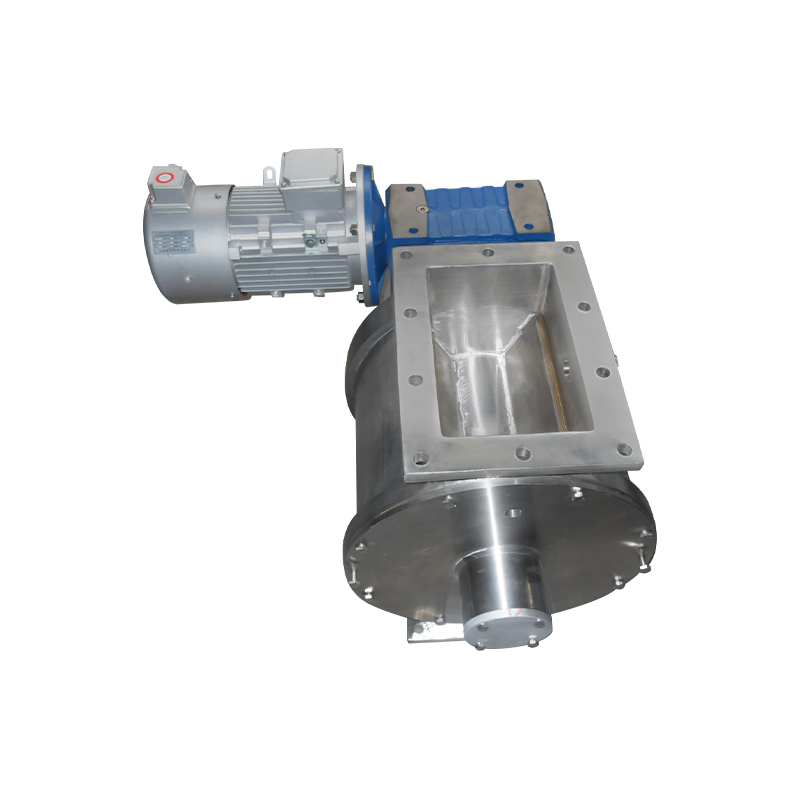
Features: It has good corrosion resistance, wear resistance (better than carbon steel, but not as good as special wear-resistant materials), strength and certain hygienic properties. It is the most widely used material category.
Common grades and applications:304 (0Cr18Ni9): General austenitic stainless steel. Resistant to general corrosion (such as weak acid, weak alkali, atmospheric corrosion), meeting basic hygienic requirements. Suitable for most common materials in chemical, food, pharmaceutical, plastic and other industries.
316 (0Cr17Ni12Mo2): Molybdenum (Mo) is added to 304, which significantly improves the resistance to chloride corrosion (such as salt water, seawater environment) and pitting and crevice corrosion. Acid and alkali resistance is also better than 304. It is the first choice for food, medicine, chemical and other occasions with high requirements.
316L (00Cr17Ni14Mo2): Low-carbon version of 316. The carbon content is further reduced, greatly reducing the risk of intergranular corrosion after welding or high-temperature use. It is especially suitable for welding structural parts and occasions that require more stringent intergranular corrosion resistance or hygiene requirements (such as high-purity materials and biopharmaceuticals).


 Oct 14 , 2026
  Industry News

