

 English
 عربى
عربى
Home / News / Industry News / How Does an Anti-Stuck Rotary Valve With Offset Inlet and Outlet Work?
Industry News
Content
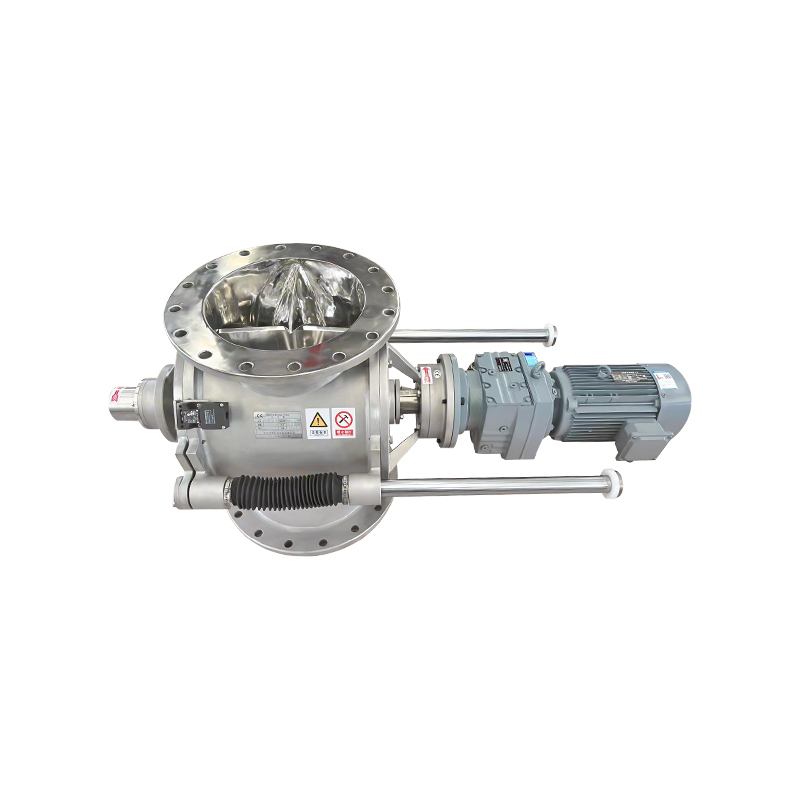
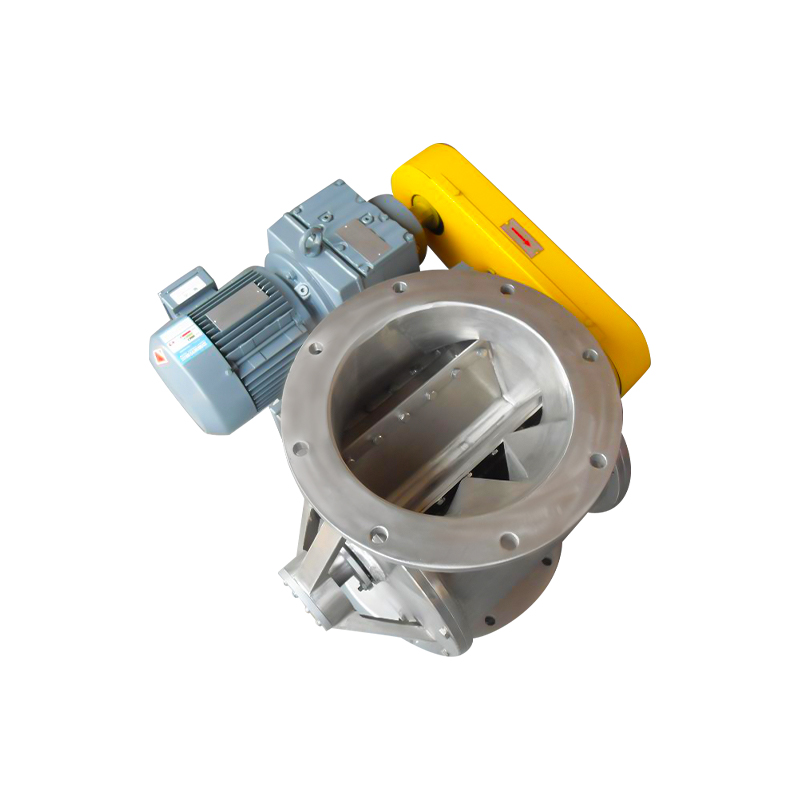
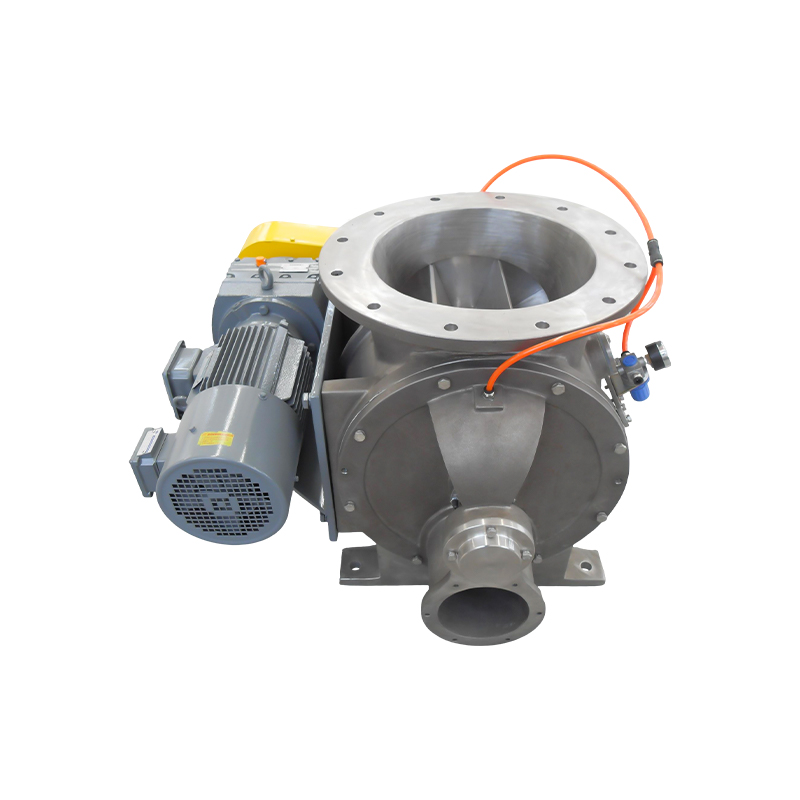
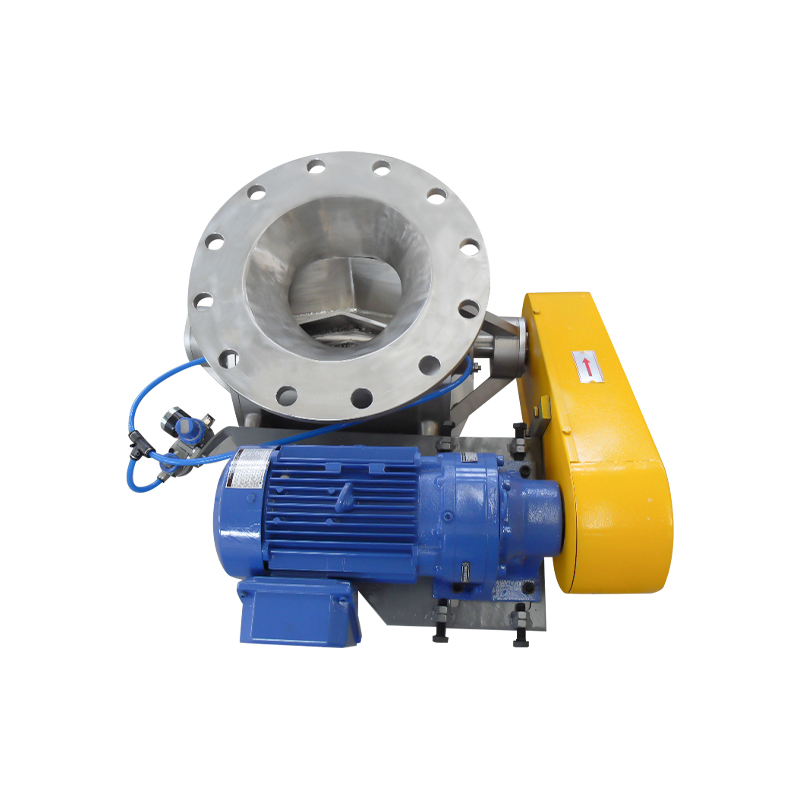
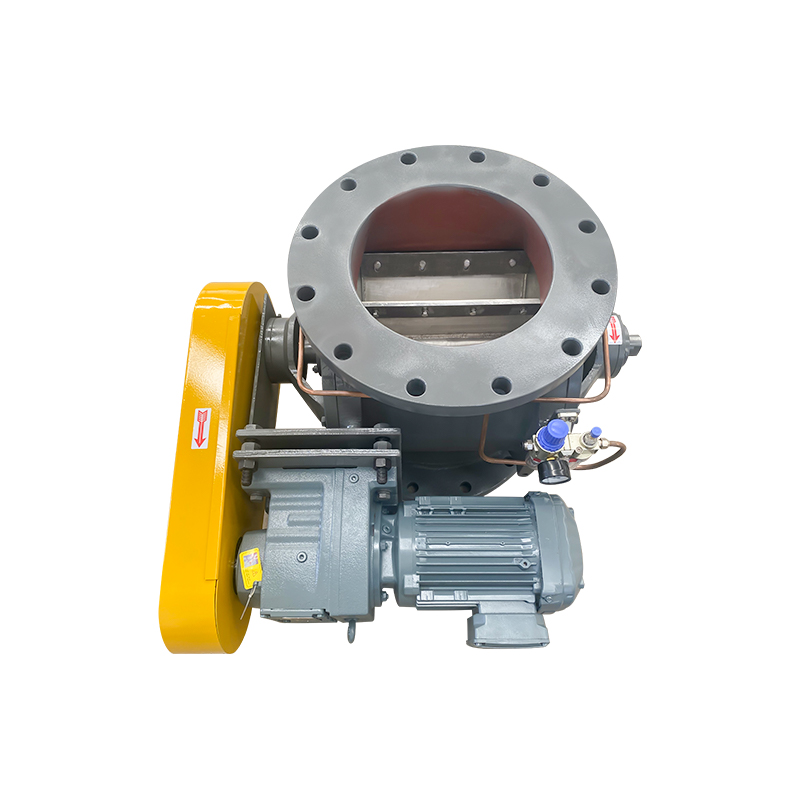
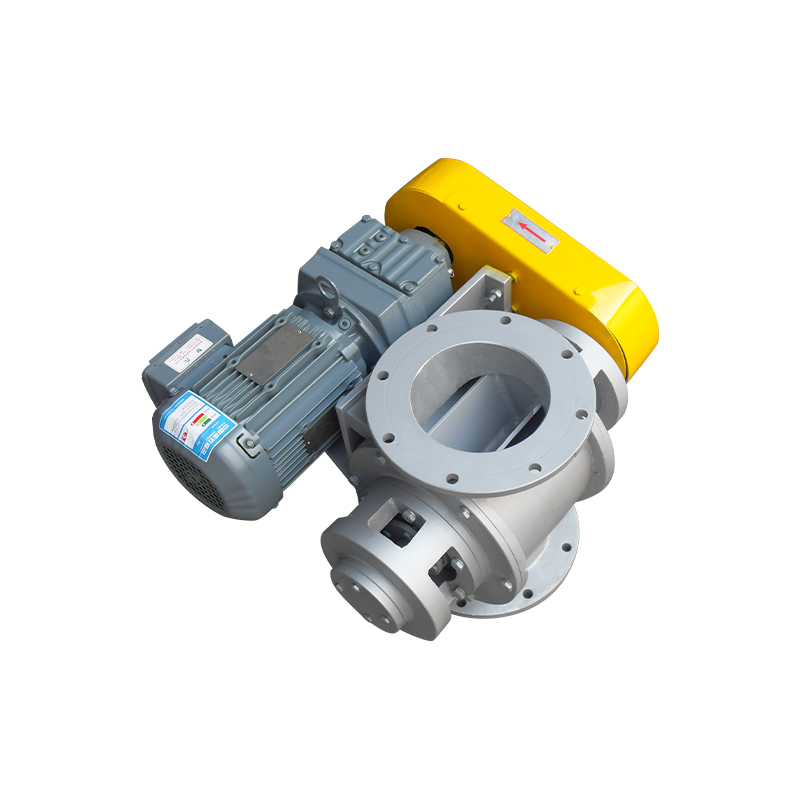
An anti-stuck rotary valve with offset inlet and outlet is a specialized bulk material handling component designed to prevent clogging, material bridging, and rotor jamming. Unlike conventional rotary airlock valves, this design modifies the flow path to reduce direct material compaction inside the valve housing. It is widely used in pneumatic conveying, dust collection, and gravity feeding systems where sticky, fibrous, or fine powders are difficult to discharge smoothly.
By offsetting the inlet and outlet from a straight vertical alignment, material is guided through a controlled, non-compressive path. This structural improvement significantly reduces the risk of buildup, making the valve more reliable in continuous industrial operations.
In a traditional rotary valve, the inlet and outlet are vertically aligned, allowing material to fall directly through the rotor pockets. While suitable for free-flowing powders, this layout can cause compression and shear when handling cohesive or sticky materials.
An offset inlet and outlet design intentionally shifts the discharge opening away from the inlet centerline. This forces the material to move laterally before exiting, breaking compaction zones and minimizing the chance of material packing tightly between the rotor and housing.
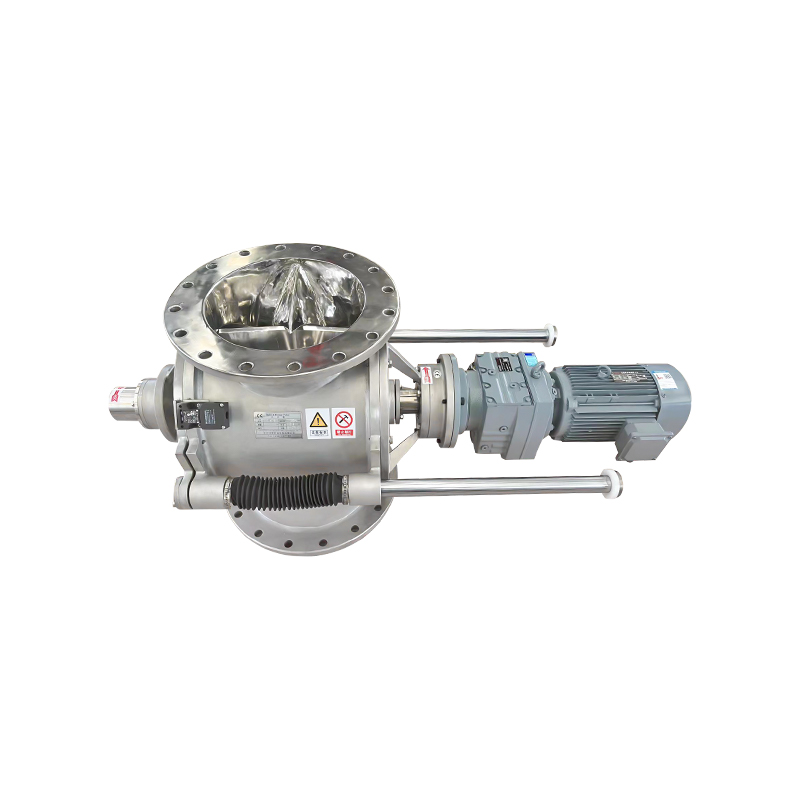
Material sticking is a common issue in rotary valves handling powders with moisture content, oil residue, or irregular particle shapes. When material is compacted under its own weight, it can adhere to internal surfaces or wedge between the rotor tips and housing.
High differential pressure, improper clearances, and inadequate venting further exacerbate sticking. Once buildup begins, torque increases rapidly, leading to motor overload, seal damage, and unplanned shutdowns.
The anti-stuck rotary valve with offset inlet and outlet incorporates several structural and mechanical principles aimed at maintaining continuous material flow. The offset geometry disrupts direct material fall, while carefully designed rotor pockets minimize dead zones.
In addition, surface finishes and clearances are optimized to reduce adhesion without compromising sealing efficiency. These combined features make the valve suitable for demanding applications where standard rotary valves fail.
Compared to standard center-fed rotary valves, anti-stuck rotary valves with offset inlet and outlet provide measurable performance benefits. These advantages directly translate into reduced maintenance costs and higher system uptime.
| Performance Aspect | Standard Rotary Valve | Anti-Stuck Offset Valve |
| Material Flow | Prone to compaction | Smooth and controlled |
| Rotor Jamming Risk | High with sticky materials | Significantly reduced |
| Torque Stability | Fluctuating | Consistent |
| Maintenance Frequency | High | Low |
Anti-stuck rotary valves with offset inlet and outlet are widely used in industries that process difficult bulk solids. These include materials that are cohesive, hygroscopic, fibrous, or prone to smearing.
In pneumatic conveying systems, the rotary valve acts as both a feeder and an airlock. Any material sticking inside the valve can compromise air sealing and disrupt pressure balance. The offset inlet and outlet design minimizes trapped material, maintaining consistent feed rates and stable conveying conditions.
This improves overall system efficiency, reduces air leakage, and protects downstream equipment such as blowers and filters.
Proper installation is critical to achieving the full benefits of an anti-stuck rotary valve with offset inlet and outlet. The valve must be oriented according to the designed offset direction to ensure correct material flow.
Support structures should prevent misalignment, and upstream hoppers should be designed to provide consistent feed without excessive head pressure.
One of the key advantages of the anti-stuck design is reduced maintenance. Because material buildup is minimized, internal wear components such as seals and rotor tips experience less stress.
Routine inspection intervals can be extended, and unplanned downtime caused by rotor seizure is significantly reduced, improving overall plant productivity.
Selecting the correct anti-stuck rotary valve with offset inlet and outlet requires evaluating material properties, system pressure, temperature, and throughput requirements. Valve size, rotor type, and drive configuration should be matched to the application.
Consulting with experienced equipment suppliers ensures that the valve is properly configured to deliver long-term, trouble-free operation.
An anti-stuck rotary valve with offset inlet and outlet is a highly effective solution for handling challenging bulk materials. By altering the material flow path and reducing internal compaction, this design minimizes sticking, stabilizes torque, and improves system reliability.
For industries facing frequent rotary valve blockages or excessive maintenance, adopting an offset inlet and outlet design offers a practical, long-term improvement in material handling efficiency.