


 English
 عربى
عربى
Home / Products / ZRF Series Square Port Rotary Valve / Cast Iron/Ductile Iron Rotary Discharge Valve
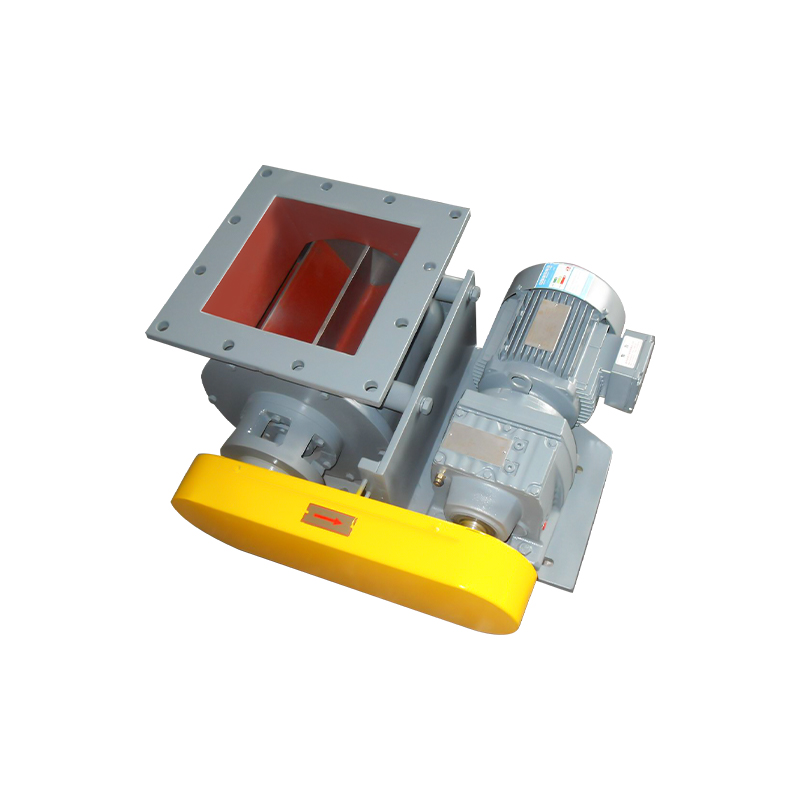
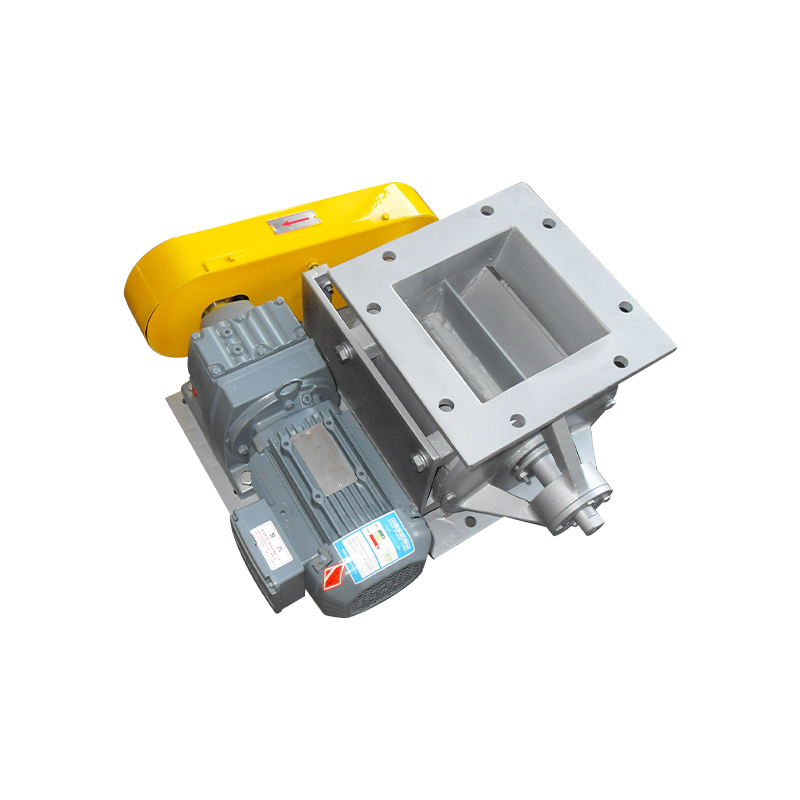
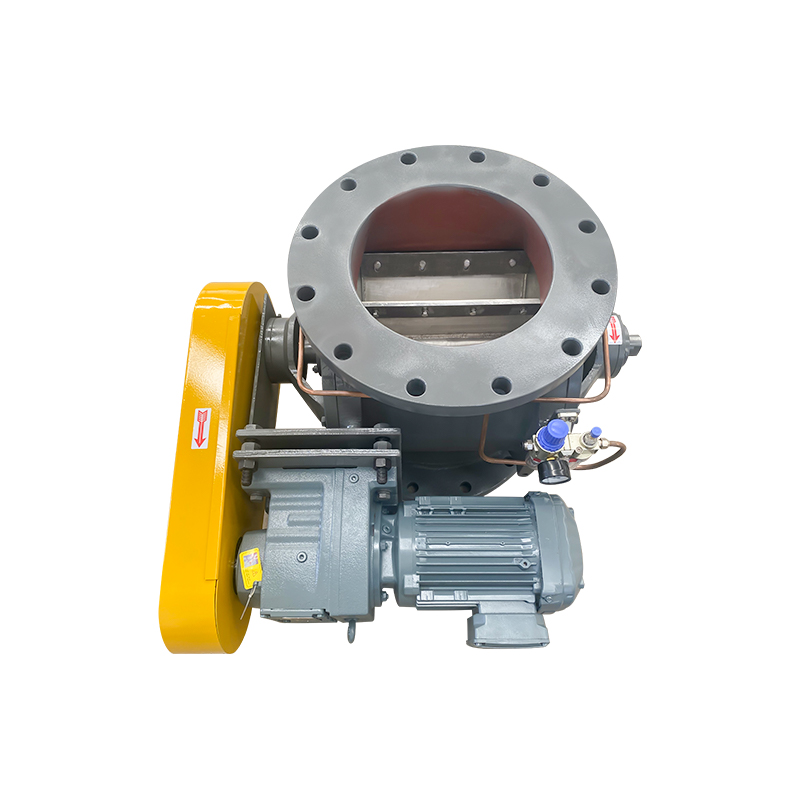
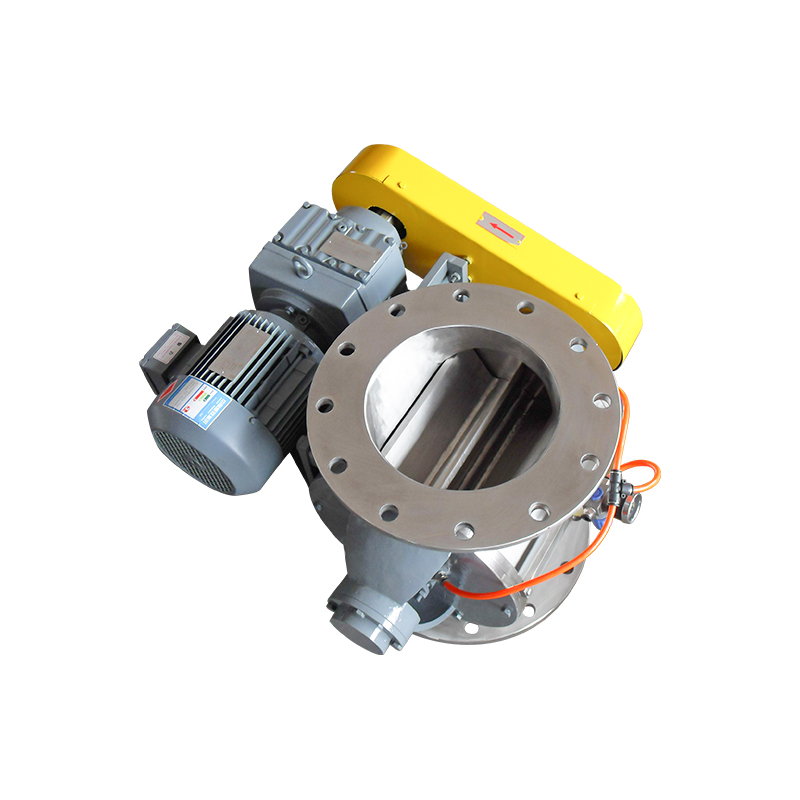
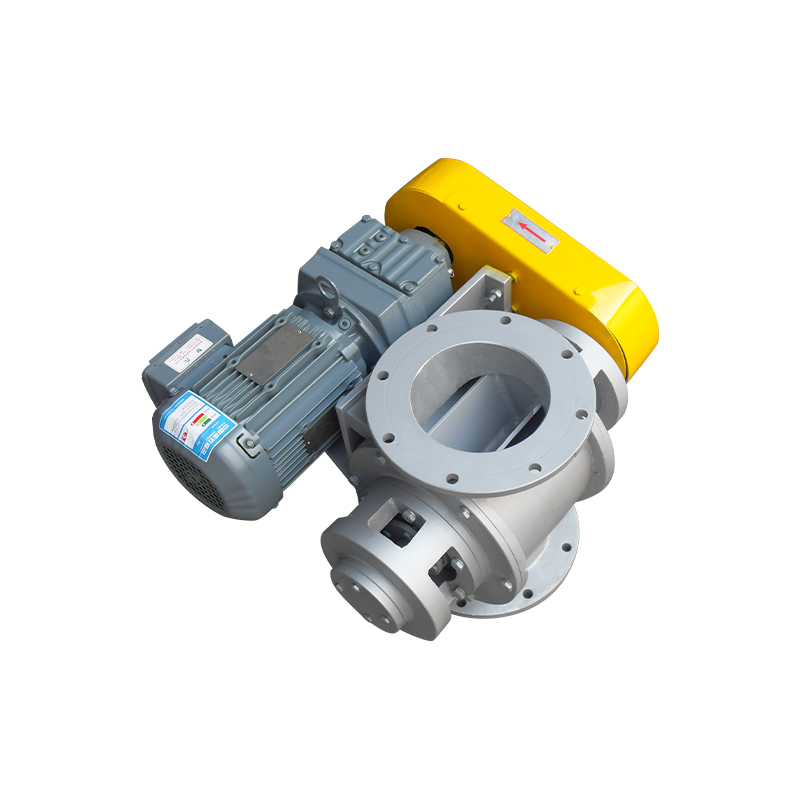
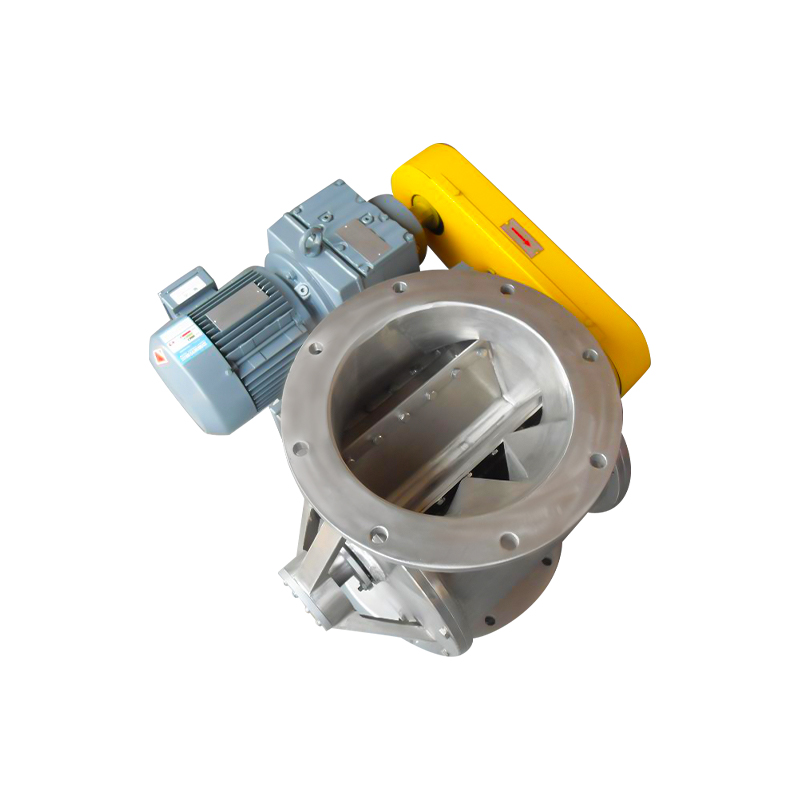
Custom Cast Iron/Ductile Iron Rotary Discharge Valves
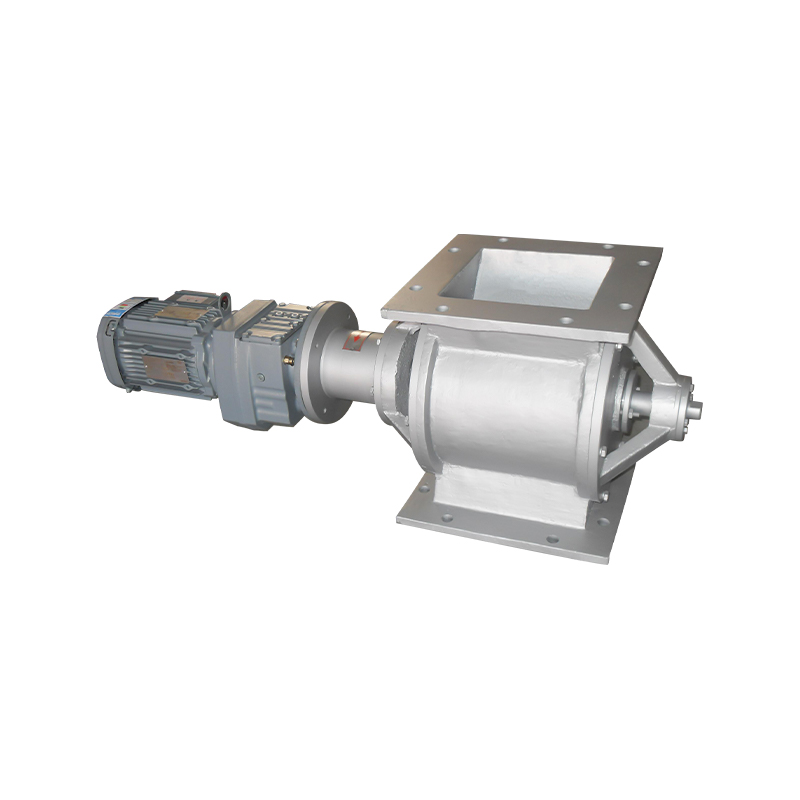
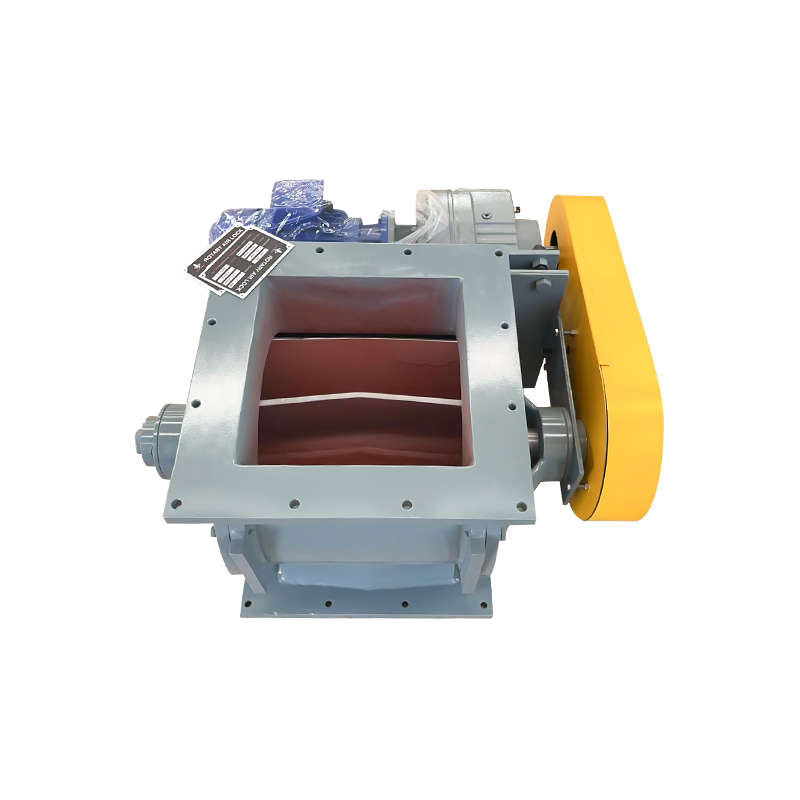
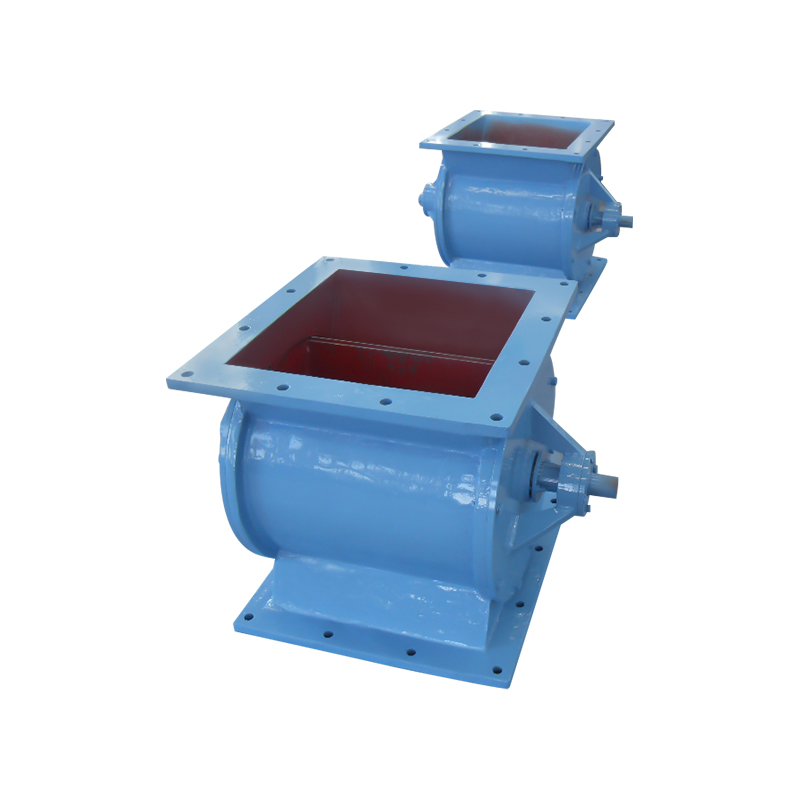
Cast iron is an economical and effective solution to extreme wear in rotary discharge valves, and its ultra-high hardness and wear resistance are its biggest advantages. However, its inherent brittleness and poor toughness limit its application under impact conditions, and the difficulty of processing and welding also increases the complexity of manufacturing and maintenance. When selecting, the abrasiveness, impact, corrosion and equipment operating conditions of the material must be strictly evaluated to find a balance between wear resistance and impact resistance. For environments with high impact risk or strong corrosion, wear-resistant alloy steel or composite materials (such as steel matrix + tungsten carbide coating/ceramic lining) should be considered. Cast iron or ductile iron rotary discharge valve is a conventional rotary feeding equipment with a sturdy structure, strong load-bearing capacity, suitable for conventional to medium load material transportation. It is widely used in cement, building materials, electricity, metallurgy, environmental protection, food and other industries. Compared with carbon steel materials, this type of discharge valve has higher casting stability and wear resistance, especially under medium wear conditions, it shows good cost performance and service life, and is a classic option in industrial powder handling systems.


 Oct 14 , 2026
  Industry News

