

 English
 عربى
عربى
Industry News
Content
- 1 Fundamental Advantages of Rotary Valve Systems
- 2 Material Handling Versatility and Application Range
- 3 Operational and Maintenance Advantages
- 4 Critical Disadvantages and Limitations
- 5 Material Handling Challenges and Product Degradation
- 6 Capacity and Throughput Limitations
- 7 Pressure Differential and Temperature Constraints
- 8 Cost Considerations and Economic Factors
- 9 Safety and Operational Risk Factors
- 10 Application-Specific Performance Limitations
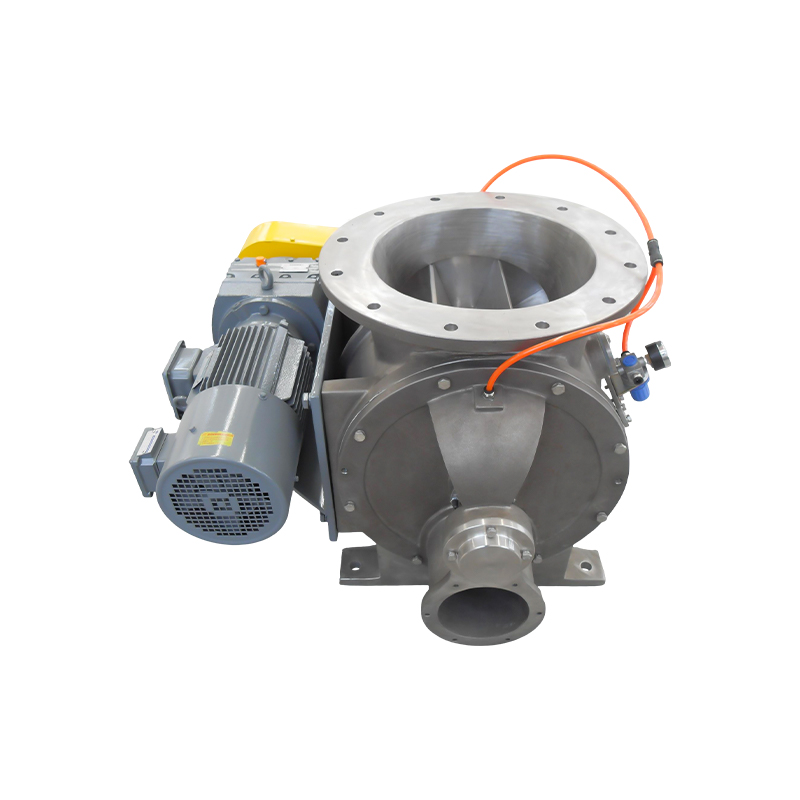
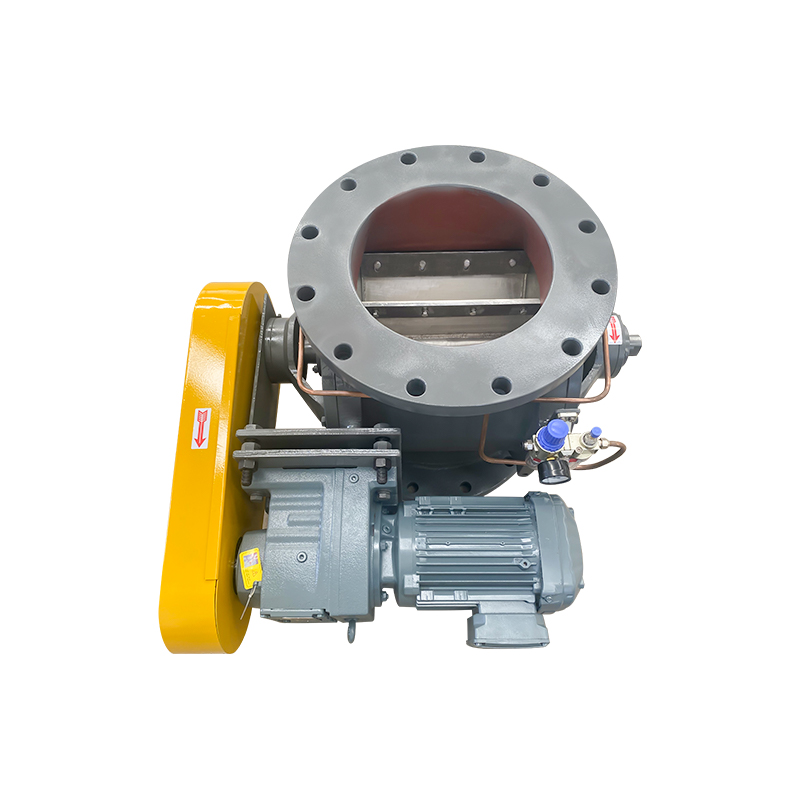
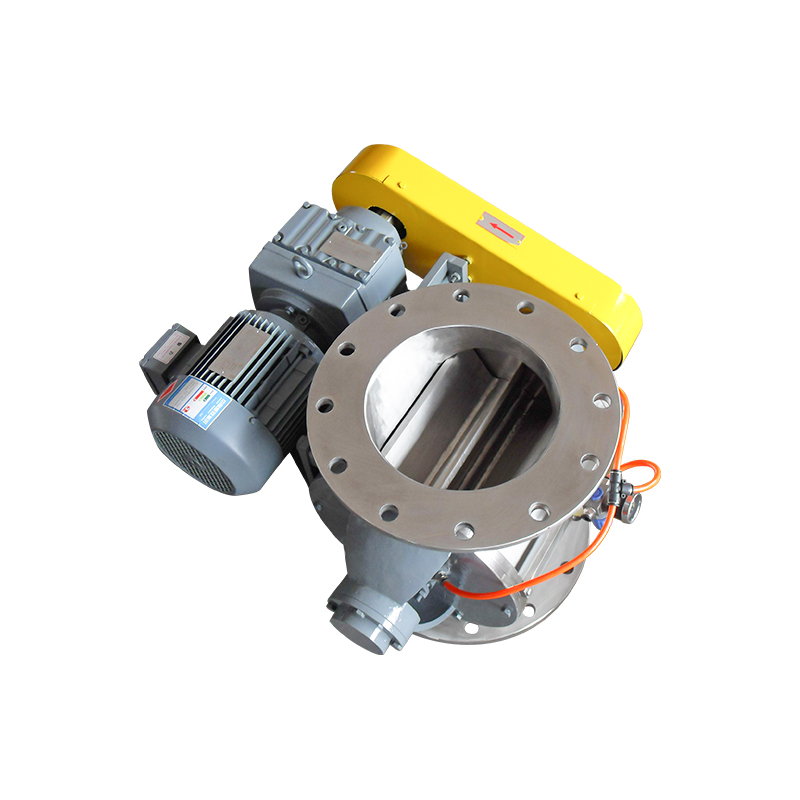
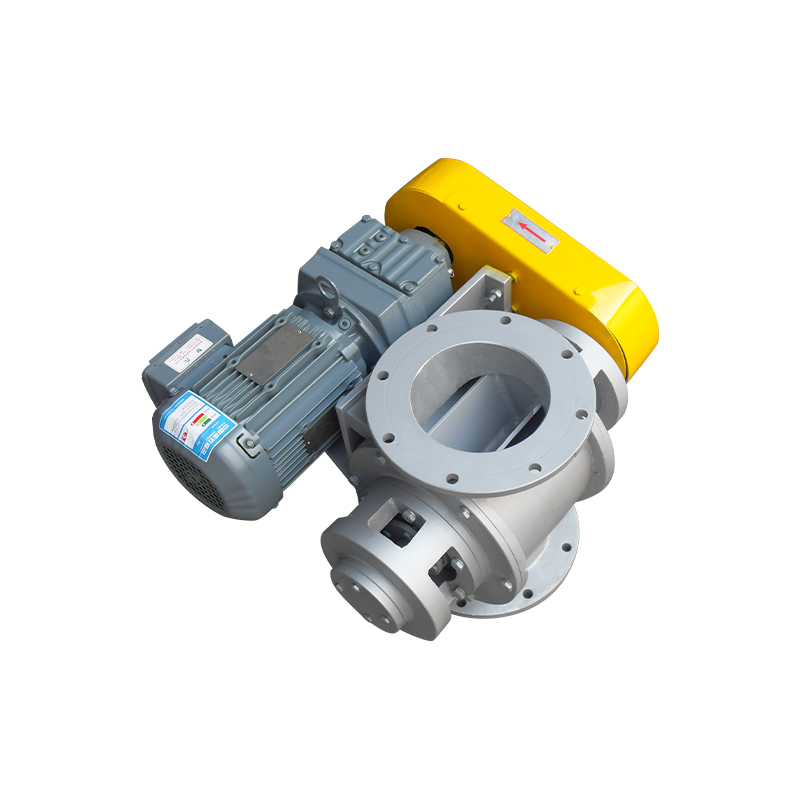
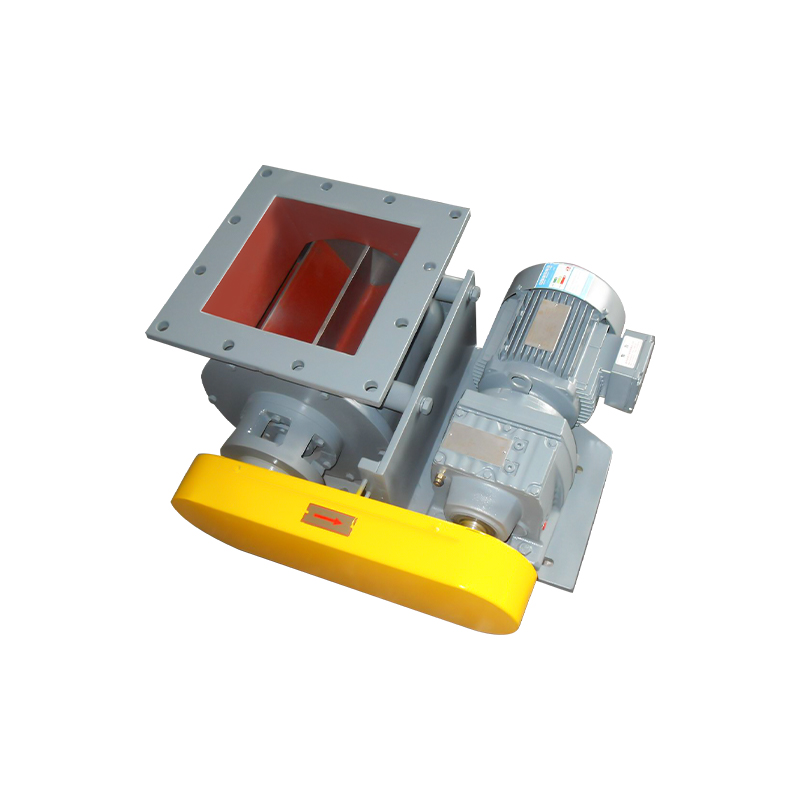
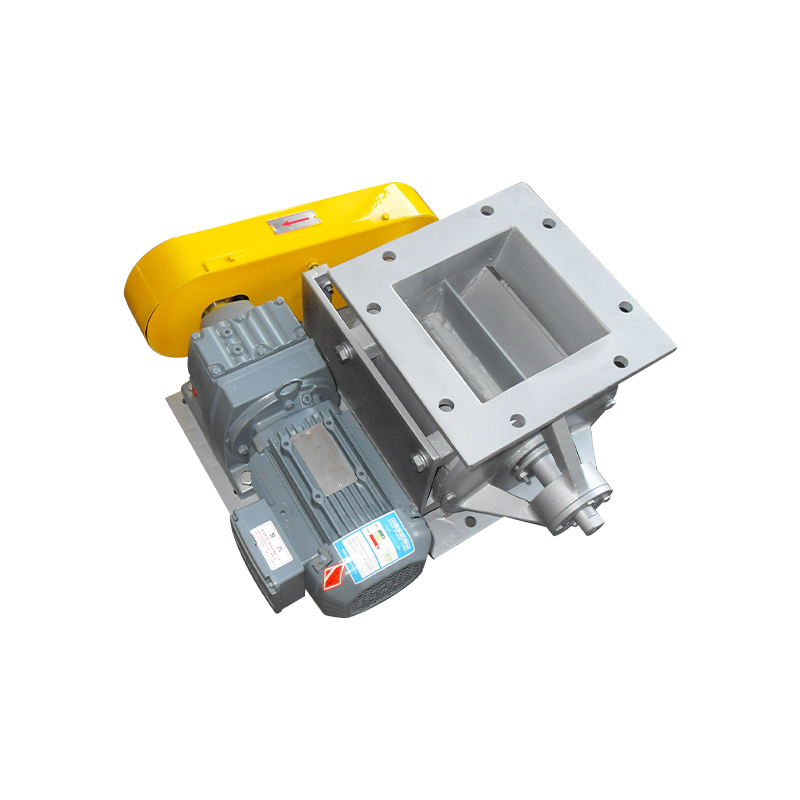
Rotary valve systems, particularly those featuring square port configurations, have become integral components in material handling operations across numerous industries including food processing, chemical manufacturing, pharmaceutical production, and bulk material processing. These mechanical devices serve as critical airlock mechanisms, metering systems, and flow control components that enable precise material transfer while maintaining pressure differentials between different processing stages. Understanding both the advantages and disadvantages of rotary valve systems is essential for engineers, plant managers, and procurement professionals tasked with selecting appropriate equipment for specific applications. This comprehensive analysis explores the multifaceted benefits and limitations of rotary valve technology to inform better decision-making in material handling system design.
Fundamental Advantages of Rotary Valve Systems
Rotary valves offer numerous operational benefits that have established them as preferred solutions in countless material handling applications. The primary advantage lies in their ability to function as effective airlocks, maintaining pressure separation between different zones of a processing system while allowing continuous material flow. This dual functionality eliminates the need for separate airlock and metering equipment, reducing system complexity, initial capital investment, and maintenance requirements. The positive displacement operation of rotary valves ensures consistent, predictable material discharge rates that can be precisely controlled through rotor speed adjustment, making them invaluable for applications requiring accurate feed rates to downstream processes.
The compact footprint of rotary valve systems delivers significant installation flexibility, particularly valuable in facilities with space constraints or retrofitting existing production lines. Unlike alternative feeding technologies such as screw feeders or belt conveyors that require substantial linear space, rotary valves can be integrated vertically beneath hoppers or storage vessels, minimizing floor space consumption. This vertical integration also reduces the number of material transfer points, decreasing product degradation, dust generation, and potential contamination opportunities. The simple, robust construction of rotary valves contributes to exceptional reliability with minimal moving parts—typically just the rotor assembly and drive mechanism—reducing potential failure points compared to more complex feeding equipment.
Square Port Design Specific Advantages
Square port rotary valves offer distinct advantages over rounded pocket designs in certain applications. The square geometry maximizes pocket volume for a given rotor diameter, increasing material handling capacity without enlarging the overall valve envelope. This efficient use of space translates to higher throughput rates compared to round pocket valves of similar dimensions. The square pocket configuration also promotes more complete pocket evacuation during rotation, reducing material carryover and improving metering accuracy, particularly important when handling expensive materials or when cross-contamination between different products must be minimized. The corners of square pockets provide positive material displacement that helps move sticky or cohesive materials that might bridge or hang up in rounded pockets.
Material Handling Versatility and Application Range
Rotary valve systems demonstrate remarkable versatility in handling diverse materials with varying characteristics. From fine powders like flour and cement to granular materials such as plastic pellets and grains, to irregular shaped materials including wood chips and coffee beans, properly configured rotary valves can accommodate an extensive range of bulk solids. This adaptability stems from the ability to specify rotor designs, clearances, and materials of construction tailored to specific product characteristics. Materials ranging from highly abrasive minerals to fragile food products to temperature-sensitive pharmaceuticals can be successfully conveyed through appropriately designed rotary valve systems.
The temperature handling capability of rotary valves extends their application range into processes involving heated or cooled materials. With proper material selection for rotor and housing components, rotary valves can operate reliably with product temperatures exceeding 400°C or in cryogenic applications approaching -100°C. Specialized sealing arrangements and clearance management accommodate thermal expansion differentials, maintaining effective airlock performance across temperature extremes. This thermal capability makes rotary valves suitable for applications including hot plastic pellet conveying, heated powder processing, and low-temperature food processing operations where alternative feeding equipment might fail.
| Material Type | Bulk Density Range | Recommended Rotor Type | Key Consideration |
| Fine Powders | 10-50 lb/ft³ | Closed end rotor | Minimize air leakage |
| Granular Materials | 30-60 lb/ft³ | Open end rotor | Free flowing discharge |
| Abrasive Solids | 60-100 lb/ft³ | Hardened components | Wear resistance |
| Fragile Products | 15-40 lb/ft³ | Enlarged clearances | Prevent particle damage |
Operational and Maintenance Advantages
The operational simplicity of rotary valve systems translates to reduced training requirements for operators and maintenance personnel. Unlike complex pneumatic or vacuum conveying systems requiring careful pressure and velocity management, rotary valves operate on straightforward mechanical principles easily understood by plant staff. Start-up and shutdown procedures are typically uncomplicated, involving simple motor controls without elaborate sequencing or timing requirements. This operational simplicity reduces the likelihood of operator errors that could lead to system upsets, product loss, or equipment damage.
Maintenance requirements for properly designed and operated rotary valves are generally minimal and predictable. The limited number of wear components—primarily rotor tips, end plates, and shaft bearings—can be monitored through routine inspection programs and replaced during scheduled maintenance outages. Many rotary valve designs feature modular construction that facilitates rapid component replacement without removing the entire valve from the system, minimizing downtime during maintenance activities. The absence of complex control systems, pneumatic actuators, or hydraulic components eliminates many potential failure modes present in alternative material handling equipment, contributing to higher overall system availability.
Energy Efficiency Considerations
Rotary valves demonstrate favorable energy efficiency compared to many alternative material conveying methods. The power requirements to drive a rotary valve are typically modest, often just a few horsepower for most industrial applications, significantly lower than the energy consumed by pneumatic conveying blowers or vacuum systems handling equivalent material quantities. The direct mechanical action of the rotor requires minimal energy input beyond that needed to overcome bearing friction and material shearing forces. In applications where maintaining pressure differentials is critical, the effective airlock performance of rotary valves prevents energy waste associated with pressure loss through less effective sealing mechanisms.
Critical Disadvantages and Limitations
Despite their numerous advantages, rotary valve systems present significant limitations that must be carefully evaluated during equipment selection. The most fundamental limitation is the inherent air leakage through clearances between rotor tips and housing, rotor ends and end plates, and shaft penetrations. While rotary valves function as effective airlocks for many applications, they cannot achieve the hermetic sealing provided by double-dump gates or other specialized airlock designs. This leakage limits their effectiveness in applications requiring absolute pressure separation or when handling toxic materials requiring complete containment. The leakage rate increases with pressure differential, potentially reaching 20-30% of conveying air volume in high-pressure differential applications.
Wear represents another significant disadvantage of rotary valve systems, particularly when handling abrasive materials. The continuous sliding contact between rotor tips and housing creates friction that gradually erodes these surfaces, increasing clearances and degrading airlock performance over time. Materials like sand, minerals, glass, and other hard substances accelerate wear dramatically, potentially requiring rotor or housing replacement after just months of operation in severe applications. The associated maintenance costs and production downtime for wear-related repairs can be substantial, potentially exceeding the initial equipment investment over the valve's operational life. Additionally, wear debris can contaminate the product stream, creating quality issues in applications with strict purity requirements.
Material Handling Challenges and Product Degradation
Rotary valves can cause significant product degradation when handling friable or fragile materials. The shearing action as material passes between the rotor pocket and housing, combined with impact forces as pockets rotate through the discharge position, subjects particles to mechanical stresses that can cause breakage. Products like cereal flakes, pharmaceutical tablets, plastic pellets, and food ingredients may experience unacceptable degradation rates when conveyed through rotary valves. The square port design, while offering volumetric advantages, can actually exacerbate particle damage due to more aggressive material displacement at pocket corners compared to rounded configurations.
Sticky, cohesive, or moisture-sensitive materials present particular challenges for rotary valve operation. Materials that tend to bridge, agglomerate, or adhere to metal surfaces can build up in rotor pockets, reducing capacity and potentially jamming the rotor. Hygroscopic materials may absorb moisture from conveying air passing through the valve, creating handling problems or product quality degradation. Cleaning rotary valves handling sticky materials can be labor-intensive and time-consuming, particularly in food and pharmaceutical applications requiring frequent product changeovers or rigorous sanitation protocols. The confined geometry of rotor pockets and housing chambers complicates thorough cleaning, potentially creating contamination concerns in critical applications.
Capacity and Throughput Limitations
The volumetric capacity of rotary valves is inherently limited by rotor diameter and length, restricting maximum achievable throughput rates. While increasing rotor size enhances capacity, practical limits exist due to structural considerations, bearing loads, and drive power requirements. For very high throughput applications—such as grain handling, power plant coal feeding, or large-scale chemical processing—rotary valves may prove inadequate, necessitating alternative feeding equipment or multiple parallel valve installations. The discrete pocketed design also creates pulsating rather than continuous flow, which can cause issues in downstream processes sensitive to feed rate variations.
Rotor speed limitations further constrain capacity in certain applications. While increasing rotational speed theoretically increases discharge rate, excessive speeds can cause material degradation, accelerated wear, and dynamic imbalance problems. Most industrial rotary valves operate optimally between 10-30 RPM, with specialized high-speed designs potentially reaching 60 RPM. These speed constraints mean that capacity increases must come primarily from larger rotor dimensions rather than faster rotation, limiting scalability for applications requiring dramatic throughput variation or future expansion capability.
Pressure Differential and Temperature Constraints
Operating pressure differentials across rotary valves are limited by the sealing effectiveness of rotor tip clearances and the mechanical strength of valve components. Standard rotary valves typically operate effectively with pressure differentials up to 1 bar (15 psi), with specialized designs handling up to 2-3 bar in some applications. Higher pressure differentials increase air leakage exponentially, reduce volumetric efficiency, and place greater mechanical loads on rotor components and drive systems. Applications requiring pressure separations exceeding these limits necessitate alternative airlock technologies such as double-dump systems or specialized high-pressure rotary valve designs with enhanced sealing arrangements.
Temperature extremes create additional challenges for rotary valve operation. While specialized designs accommodate high or low temperatures, thermal expansion differentials between rotor and housing materials can cause binding, excessive clearances, or seal failures if not properly managed. The need for specific materials, specialized sealing systems, and sophisticated clearance control mechanisms significantly increases costs for extreme-temperature applications. Additionally, temperature cycling during startup and shutdown can create thermal stresses that accelerate component wear or cause premature failure, requiring careful operational procedures and potentially limiting equipment life compared to ambient-temperature service.
Cost Considerations and Economic Factors
While standard rotary valves represent relatively economical equipment for basic applications, costs escalate rapidly when special features or materials are required. Abrasion-resistant materials such as hardened steels, stellite coatings, or ceramic components can double or triple valve costs compared to standard carbon steel construction. Sanitary designs for food and pharmaceutical applications, featuring polished stainless steel construction, special seals, and easy-disassembly features, command significant price premiums. Explosion-proof motors, specialized drive systems, and instrumentation for process control add further cost layers that can make rotary valve systems surprisingly expensive for demanding applications.
Lifecycle costs extend beyond initial purchase price to include energy consumption, maintenance labor, replacement parts, and downtime expenses. Applications involving abrasive materials may incur annual maintenance costs exceeding the original equipment investment, particularly when expensive abrasion-resistant materials or frequent component replacement is required. The total cost of ownership calculation must account for these ongoing expenses, potentially revealing that alternatives with higher initial costs but lower operating expenses provide better economic value over the equipment's operational life.
Safety and Operational Risk Factors
Rotary valves present specific safety concerns that must be addressed through proper design and operational procedures. The rotating rotor creates pinch points and shearing hazards that can cause severe injury during maintenance activities if proper lockout-tagout procedures are not followed. Dust explosions represent another serious risk when handling combustible materials, as the friction and potential for static electricity generation within the valve can provide ignition sources. Proper grounding, explosion-relief provisions, and inert gas purging may be necessary to mitigate explosion risks, adding complexity and cost to system design.
- Product contamination from worn components or lubricants can create quality and safety issues in food and pharmaceutical applications
- Rotor jamming from foreign objects or material bridging can cause drive system failures or motor damage
- Inadequate venting can create positive or negative pressure buildup leading to structural damage or material spillage
- Bearing failures can allow rotor-to-housing contact creating sparks that may ignite combustible materials
- Thermal expansion during startup or process upsets can cause binding or catastrophic component failure
Application-Specific Performance Limitations
Certain applications expose fundamental performance limitations of rotary valve technology. Vacuum conveying systems place rotary valves in challenging service where maintaining adequate sealing against subatmospheric pressure while allowing material flow proves difficult. The pressure differential across the valve causes atmospheric air to leak inward, potentially overwhelming the vacuum source and disrupting material transport. Specialized designs with enhanced sealing can improve performance, but fundamental limitations remain compared to alternative feeding mechanisms designed specifically for vacuum service.
Applications requiring precise metering accuracy may find rotary valve performance inadequate due to variations in pocket filling, material slip-back during rotation, and changes in material bulk density. While rotary valves provide reasonable feed rate control for many applications, achieving accuracy better than ±5% proves challenging, and variation can exceed ±10% with difficult materials or demanding operating conditions. Gravimetric feeding systems or loss-in-weight feeders provide superior accuracy for applications where precise material delivery is critical, though at significantly higher cost and complexity than rotary valve solutions.
Understanding both the advantages and disadvantages of rotary valve systems, particularly square port configurations, enables informed equipment selection decisions that balance performance requirements, operational constraints, and economic considerations. While these versatile devices offer numerous benefits including reliable airlock performance, compact design, operational simplicity, and broad material handling capability, they also present significant limitations related to air leakage, component wear, product degradation, capacity constraints, and application-specific performance challenges. Successful implementation requires careful evaluation of specific application requirements against rotary valve capabilities, with realistic expectations regarding both the benefits these systems deliver and the limitations they inherently possess.