


 English
 عربى
عربى
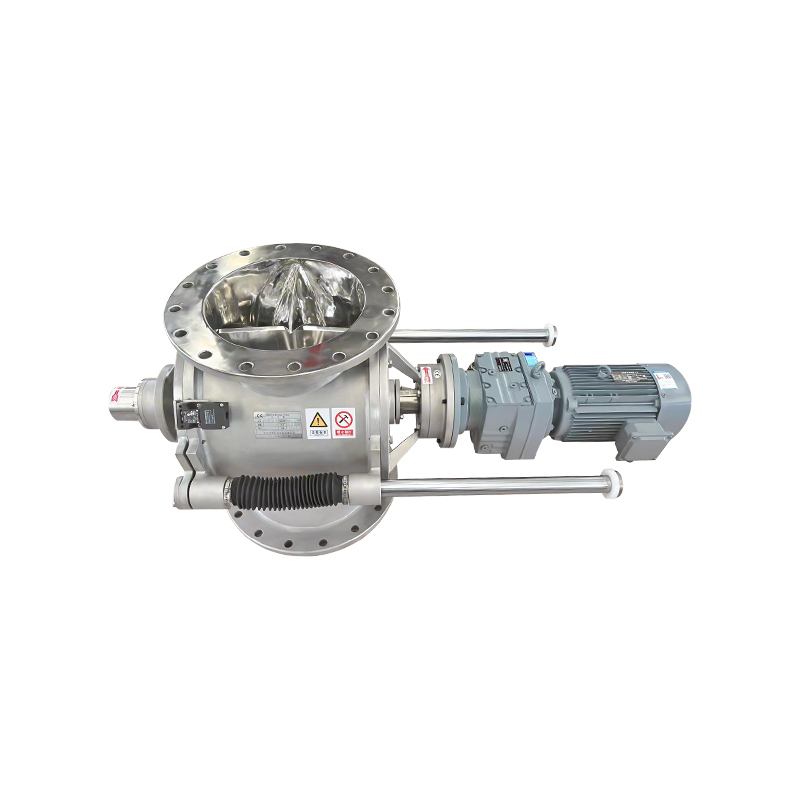
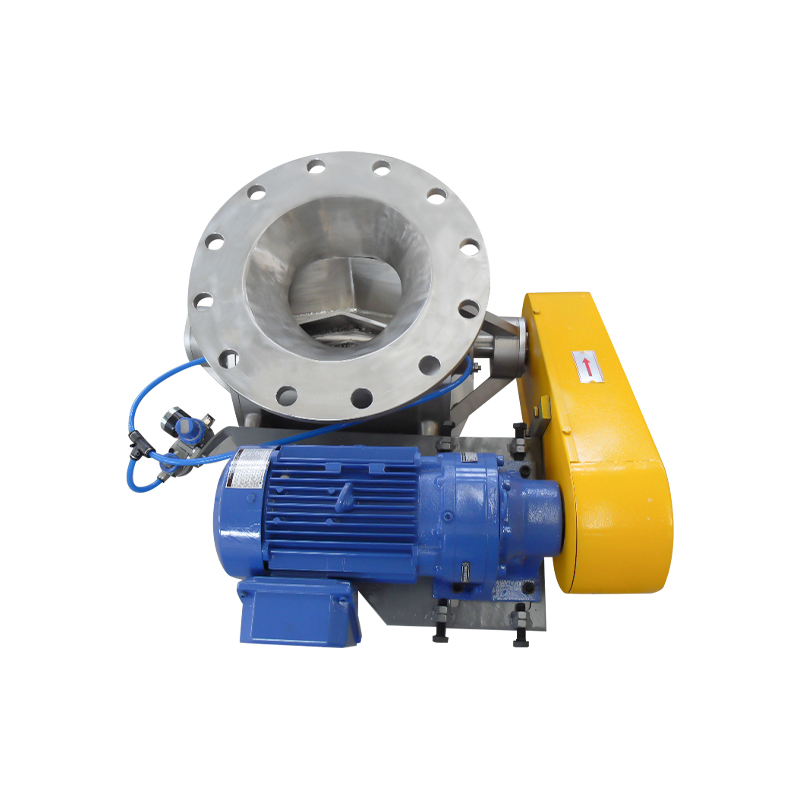
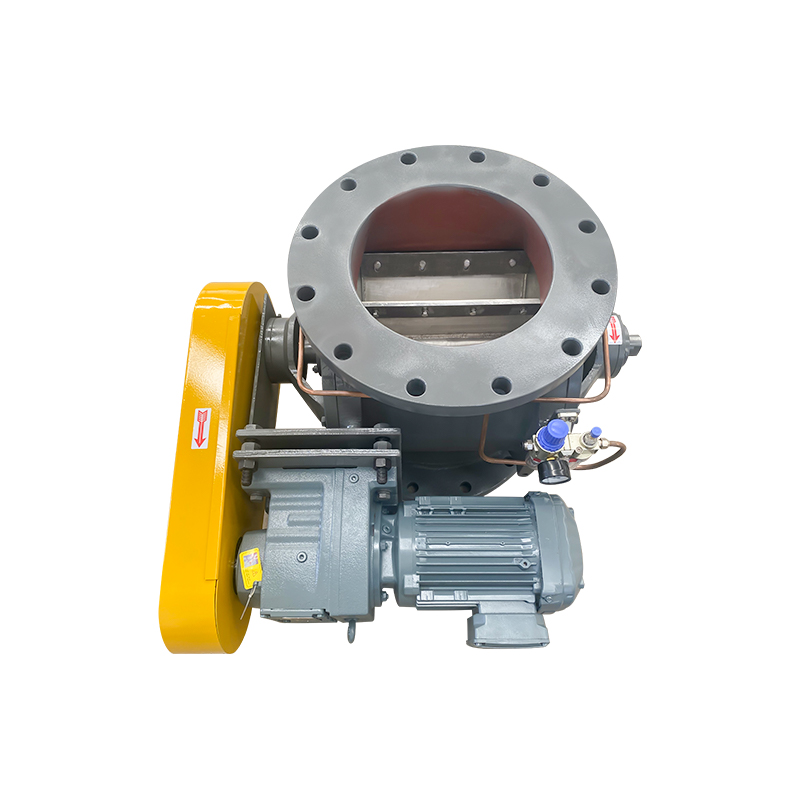
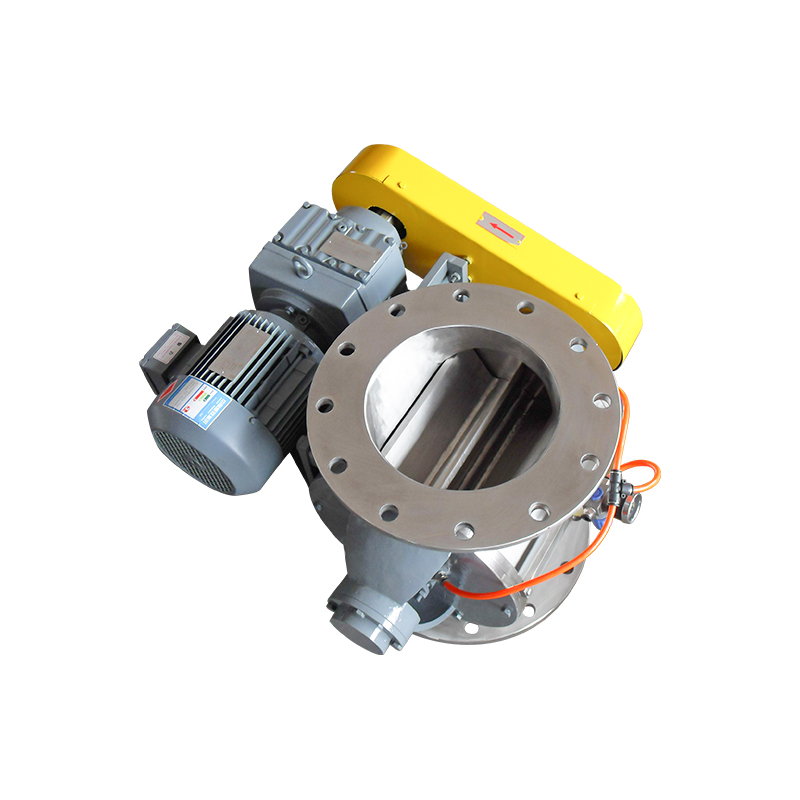
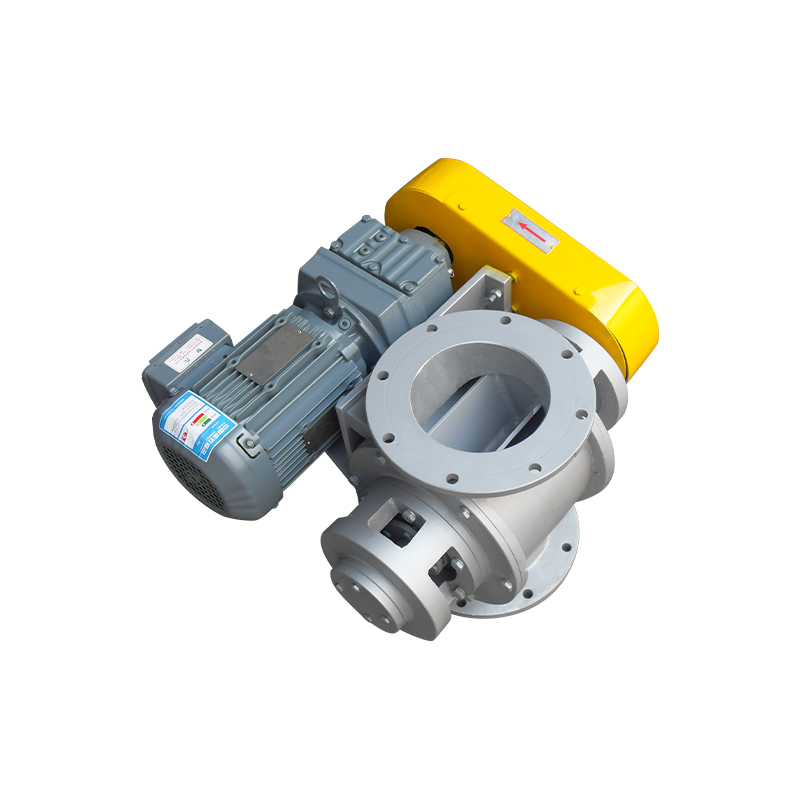
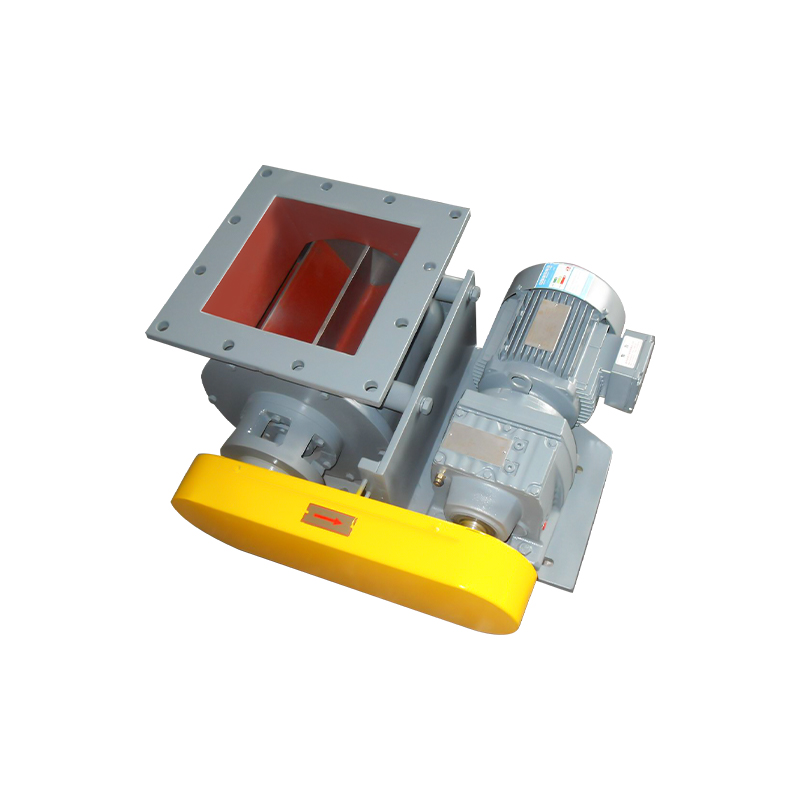
Custom Anti-Stuck Rotary Valves With Bayonet Type
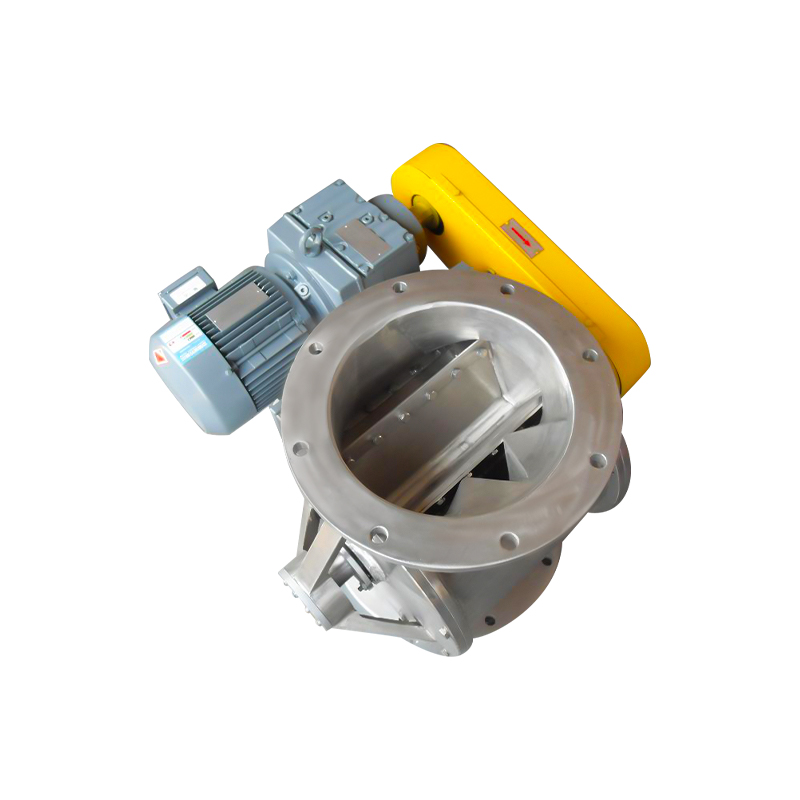
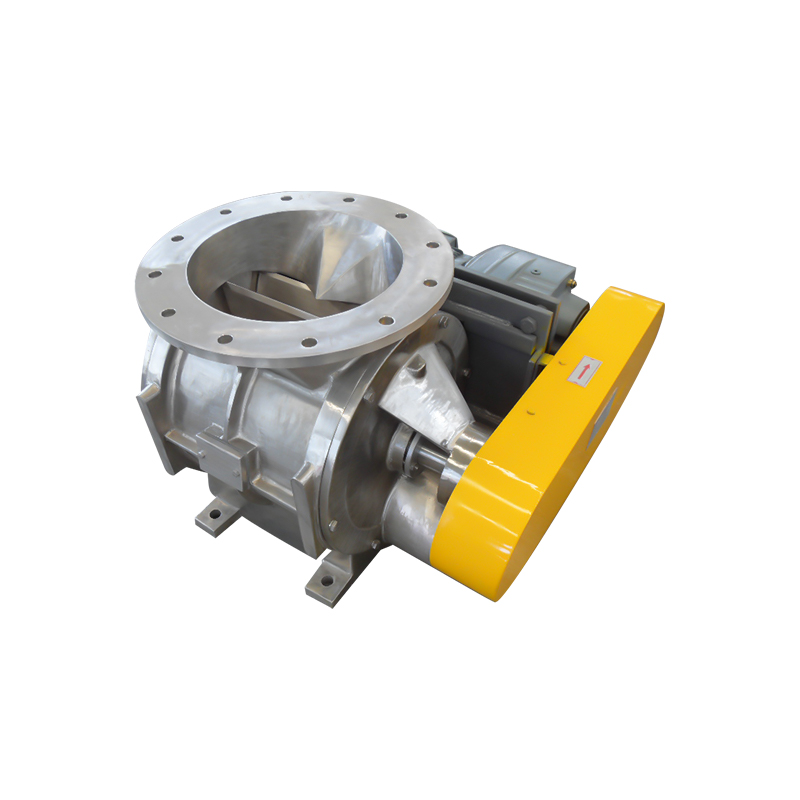
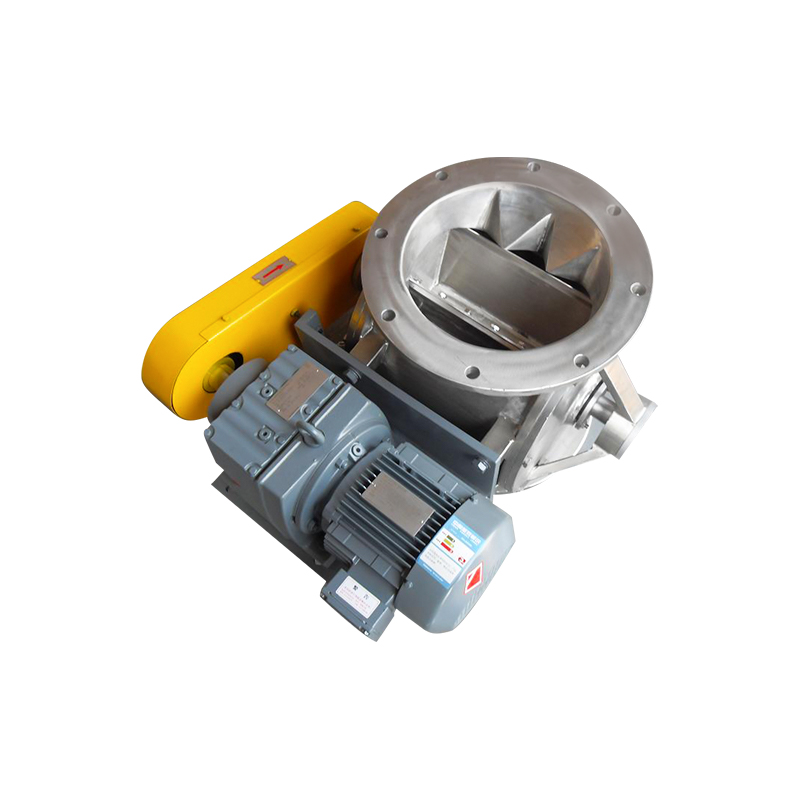
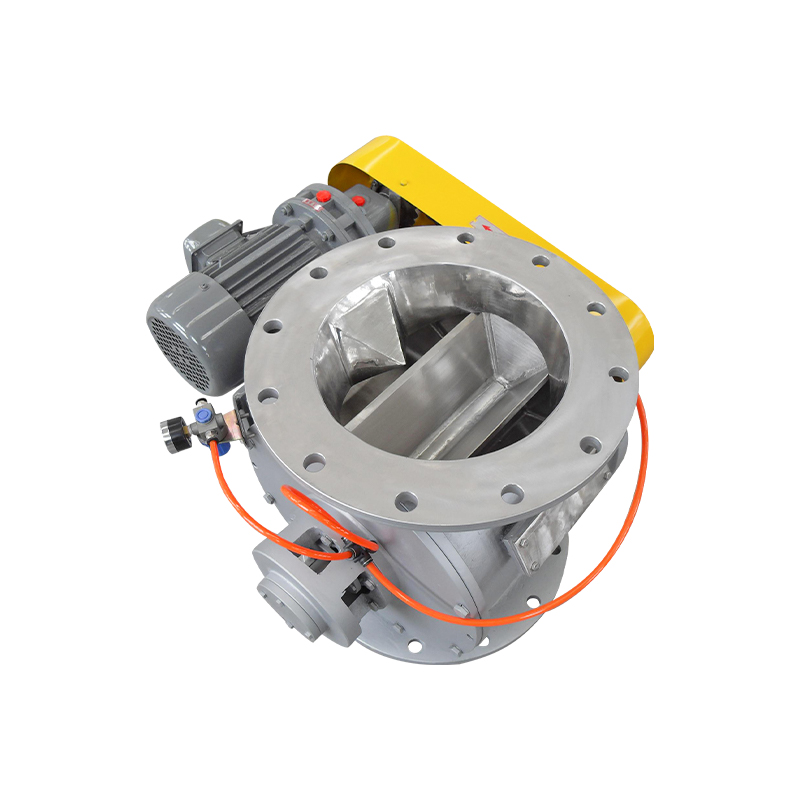
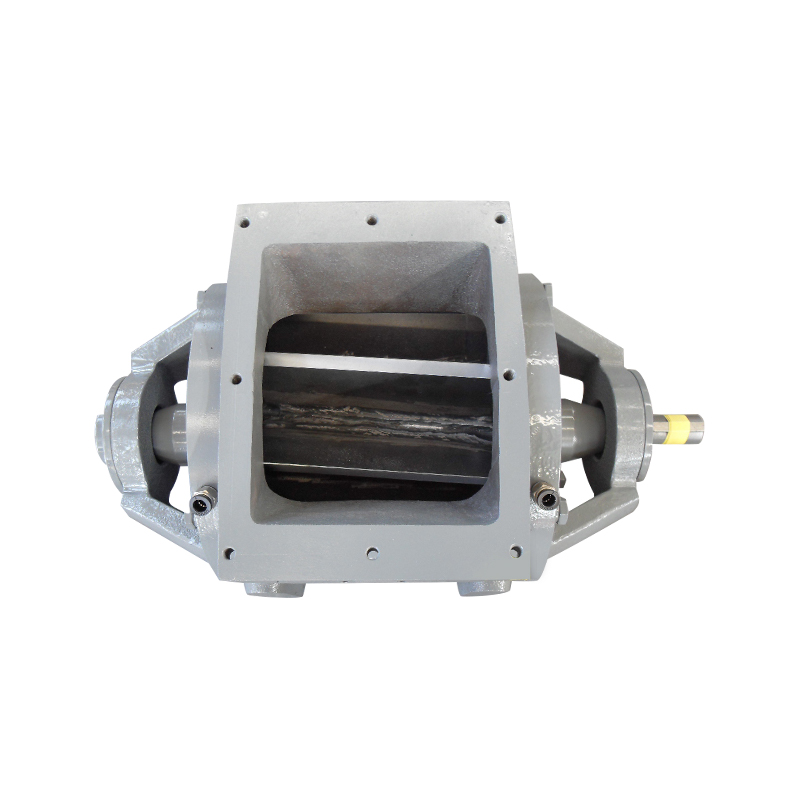
1. Anti-adhesion and anti-stuck
Destroy the adhesion layer: When the bayonet rotates, it continuously "plows open" the material layer (such as sludge, wet powder, paste) adhering to the inner wall of the shell to prevent continuous accumulation of materials and blockage.
Reduce contact area: The groove reduces the actual contact area between the blade tip and the shell, reducing the probability of the material being strongly squeezed and bonded.
Applicable materials: asphalt, ointment, wet sticky mineral powder, pigment slurry, food sauce, polymer melt, etc.
2. Anti-bridging and rathole
Actively disturb the material: When the bayonet rotates at the inlet and outlet, it produces a "grab-and-release" effect on the material above, destroying the arched stress structure.
Expand the effective circulation area: The groove forms an additional volume between the blades to relieve material compression, especially suitable for lightweight powders that are easy to inflate.
Applicable materials: milk powder, titanium dioxide, light calcium carbonate, expandable polymer particles, etc.
3. Reduce driving torque
Reduce sliding friction:
The bayonet changes the contact between the blade and the housing from "surface contact" to "intermittent contact", greatly reducing the rotation resistance.
Anti-overload:
Even if it is temporarily stuck, the deformation space provided by the groove can prevent the motor from stalling instantly.
4. Compatible with sealing requirements
Can be embedded in the sealing strip:
The bayonet groove is often designed as the installation position of the sealing element (such as polyurethane O-ring, Teflon lip), to achieve:
Elastic seal adapts to the deformation of the housing
Easy to replace after wear
Tolerant to small foreign matter


 Oct 14 , 2026
  Industry News

