

 English
 عربى
عربى
Home / News / Industry News / How Can a Stainless Steel Square Port Rotary Discharge Valve Improve Your Powder Handling Efficiency?
Industry News
Content
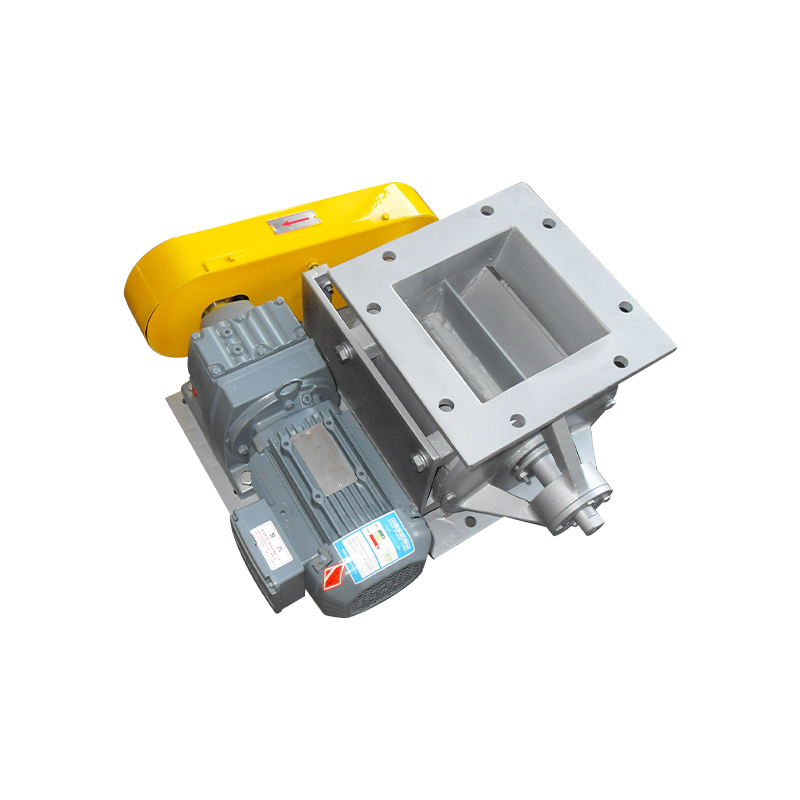
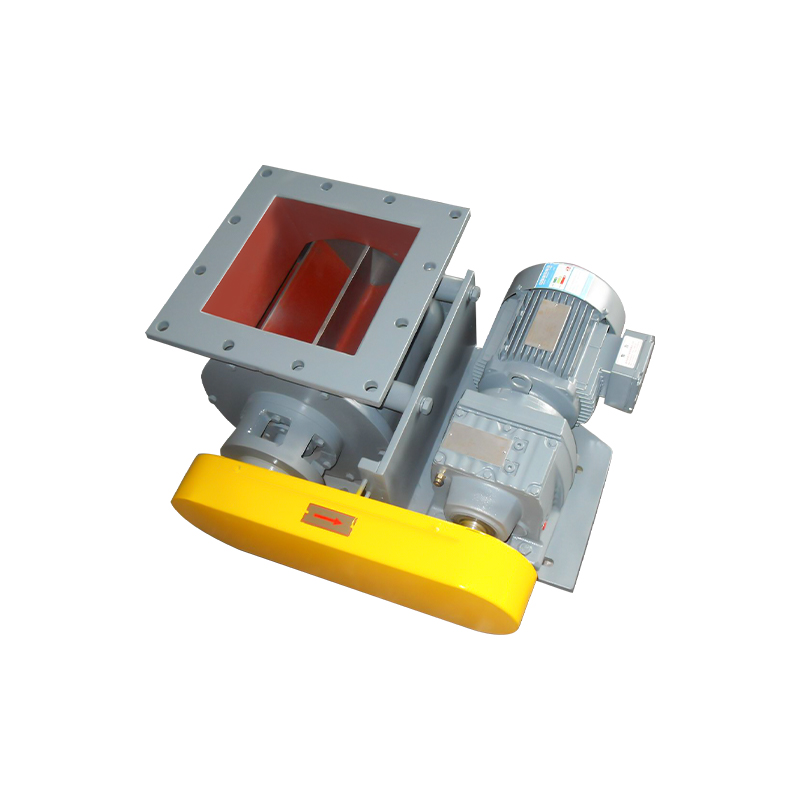
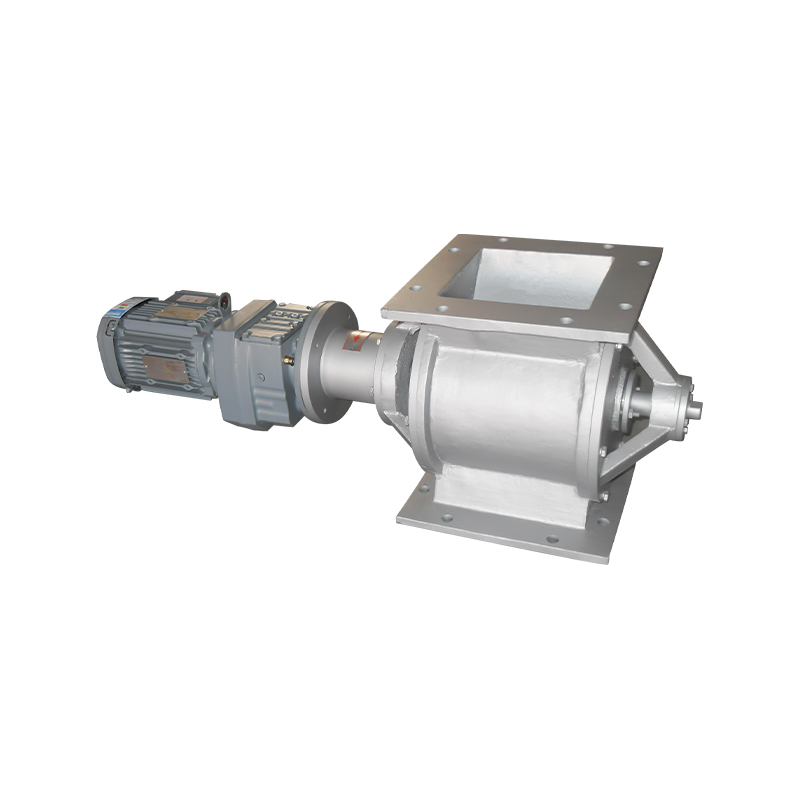
A stainless steel square port rotary discharge valve is a specialized industrial device used to control the discharge of powders, granules, and bulk materials from hoppers, silos, and storage bins. Unlike round port rotary valves, the square port design provides a larger opening area, improving flow performance and reducing clogging for certain materials. The valve consists of a rotor with square pockets that rotate within a tight housing, allowing controlled material transfer while maintaining airlock conditions. This feature is particularly valuable in pneumatic conveying systems, where maintaining pressure differential is crucial.
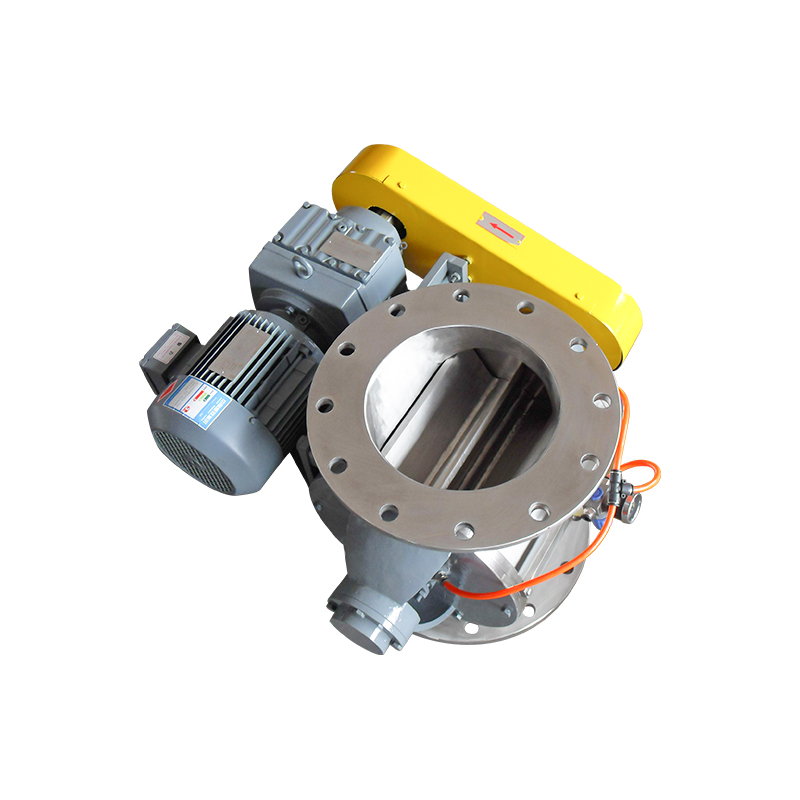
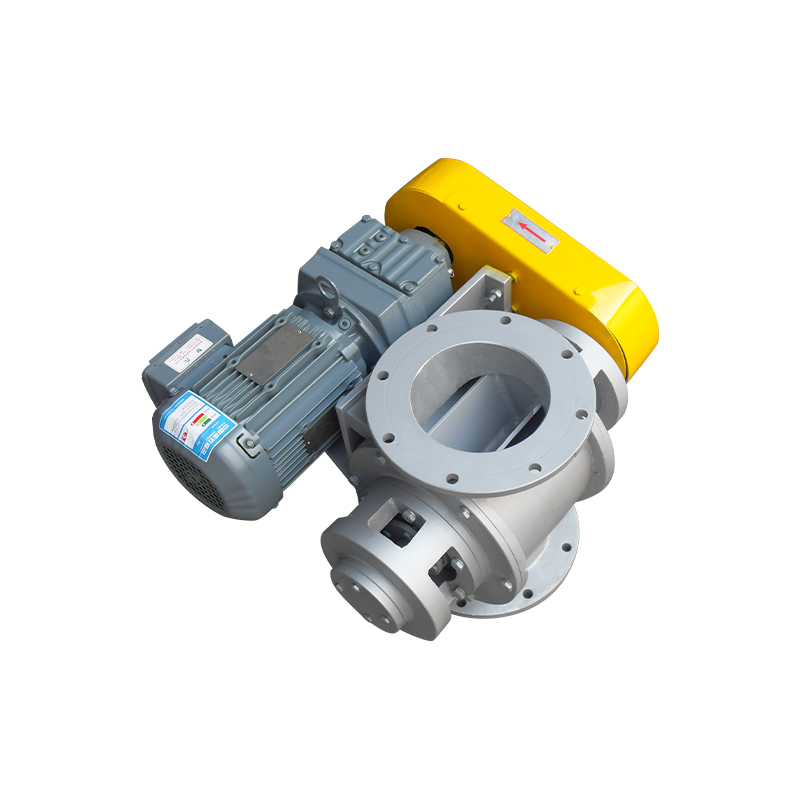
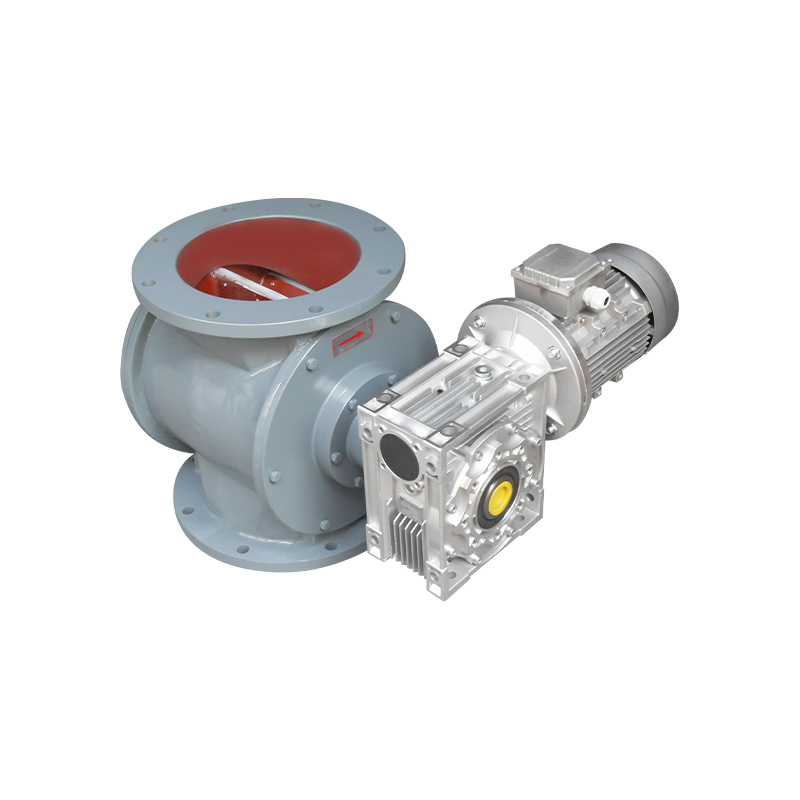
A typical stainless steel square port rotary discharge valve includes the following components: a stainless steel housing, a square pocket rotor, end plates, bearings, seals, and a drive system. The rotor is driven by a motor and gearbox assembly that controls rotational speed. As the rotor turns, material from the hopper enters the square pockets and is transported to the discharge outlet. The close tolerance between the rotor and housing creates an airlock, minimizing air leakage and ensuring consistent discharge. For food, chemical, and pharmaceutical industries, stainless steel construction offers superior corrosion resistance, sanitation, and compliance with hygiene standards.
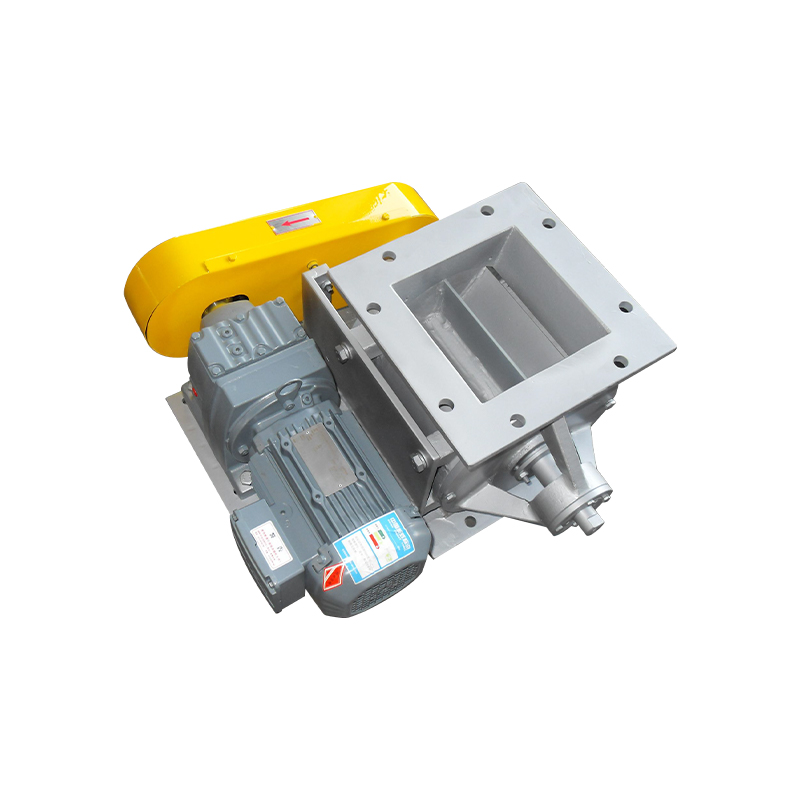
Stainless steel is the preferred material for rotary discharge valves in applications requiring hygiene, corrosion resistance, and long service life. In environments where moisture, acids, or abrasive materials are present, carbon steel or cast iron valves may rust or wear quickly. Stainless steel (typically 304 or 316) offers excellent resistance to rust, chemical attack, and contamination. Additionally, stainless steel surfaces are easier to clean and maintain, which is essential for food processing, pharmaceuticals, and high-purity chemical handling.
Square port rotary discharge valves are widely used across industries that handle dry bulk materials. They are ideal for discharging materials from hoppers, feeders, and silos where consistent flow and airlock capability are required. Common applications include:
The square port design offers several advantages over traditional round port rotary valves. First, the square pockets provide a larger volume per rotation, improving discharge efficiency for certain materials. Second, the square geometry helps reduce bridging and material hang-ups, especially for cohesive powders. Third, the square port offers better control of material flow, making it suitable for applications requiring precise dosing or metering. Finally, the square port design often provides improved cleaning access and easier maintenance due to its geometry and modular construction.
Choosing the correct size and configuration is essential for ensuring stable operation and avoiding wear or blockages. Key factors to consider include:
The drive system determines how the rotor is powered and controlled. Common drive options include standard electric motors with gearboxes, variable frequency drives (VFDs), and pneumatic or hydraulic drives for specialized environments. VFDs are popular because they allow precise speed control, which is essential for metering and dosing applications. In some cases, torque-limiting couplings or overload protection devices are used to prevent damage from blockages or foreign objects.
Using a VFD allows operators to adjust rotor speed based on real-time process needs. For example, when the hopper level is low, the valve speed can be reduced to prevent air leakage and ensure smooth discharge. In batching systems, VFDs can synchronize the valve speed with upstream feeders or downstream conveyors, improving accuracy and reducing material waste.
Seals are a critical component for maintaining airlock performance and preventing contamination. In stainless steel rotary valves, common seal types include lip seals, carbon seals, and PTFE seals. The seal choice depends on temperature, abrasion, and hygiene requirements. For high-pressure pneumatic systems, a high-quality seal is essential to minimize air leakage and maintain conveying efficiency.
PTFE seals offer excellent chemical resistance and low friction, making them ideal for corrosive or sticky materials. Carbon seals are durable and provide strong airlock performance, but they may wear faster with abrasive powders. Lip seals are cost-effective and suitable for general applications, but they may not withstand high temperatures or aggressive chemicals.
Regular maintenance is essential to ensure long-term performance and prevent unexpected downtime. Common maintenance tasks include checking seals for wear, inspecting bearings, and monitoring rotor clearance. In abrasive applications, rotor and housing surfaces may wear over time, which can lead to increased leakage and reduced airlock performance. Many manufacturers offer replaceable wear plates and rotors to simplify maintenance and extend valve life.
| Feature | Square Port Valve | Round Port Valve |
| Pocket Volume | Larger | Smaller |
| Flow Control | Better for metering | Standard metering |
| Bridging Risk | Lower for cohesive powders | Higher in some cases |
| Cleaning | Easier access | Standard access |
Even with the right selection, rotary discharge valves can experience issues if operating conditions change. Common problems include material buildup, excessive leakage, rotor jamming, and abnormal noise. Addressing these issues quickly can prevent costly downtime and protect the valve from damage.
Buildup often occurs when the material has high moisture content or is sticky. The solution is to improve drying, reduce humidity, or add anti-caking agents. Regular cleaning and using a polished stainless steel finish can also reduce adhesion.
Leakage is usually caused by worn seals or increased clearance due to wear. Replace seals, check rotor alignment, and consider a valve with replaceable wear parts. In high-pressure systems, upgrading to a more robust seal material may be necessary.
When requesting a quote or specifying a valve for a project, provide detailed information to ensure the manufacturer can recommend the correct model. Include material type, bulk density, particle size, operating temperature, hopper outlet size, required discharge rate, and whether the system is pneumatic or gravity-fed. Also specify any hygiene standards or certifications needed for your industry.
A stainless steel square port rotary discharge valve is an excellent solution for controlling powder and bulk material discharge in demanding environments. Its larger pocket volume, improved flow control, and corrosion resistance make it a preferred choice in food, chemical, pharmaceutical, and industrial applications. By understanding the key selection factors, drive options, and maintenance needs, you can choose a valve that delivers reliable performance, minimal downtime, and long service life. When in doubt, consult with a reputable manufacturer to ensure your valve is optimized for your specific material and process conditions.