

 English
 عربى
عربى
Home / News / Industry News / What Makes Square Port Rotary Valves the Preferred Choice for Heavy-Duty Bulk Material Handling?
Industry News
Content
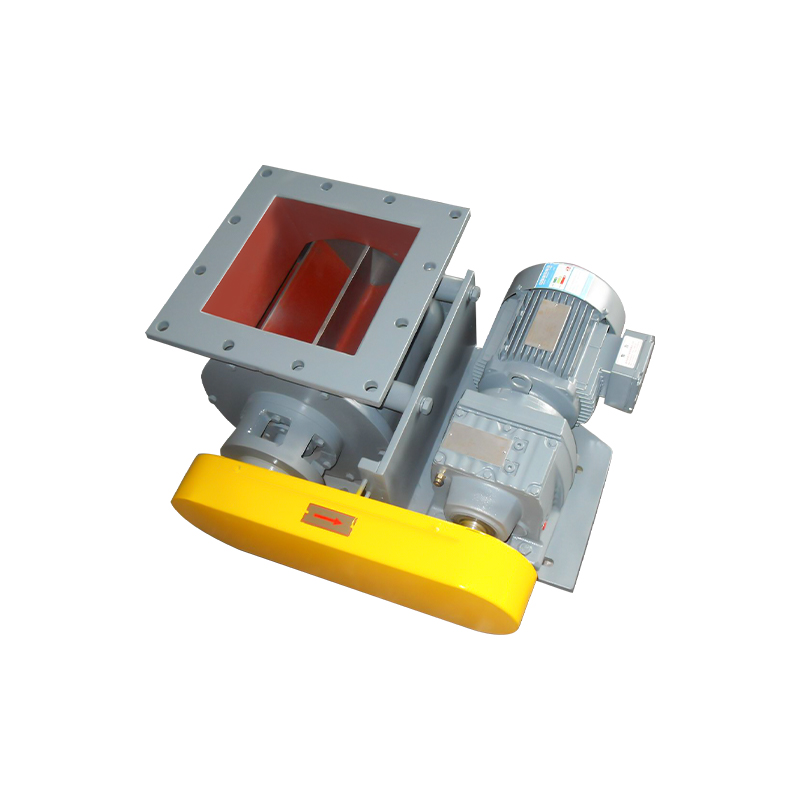
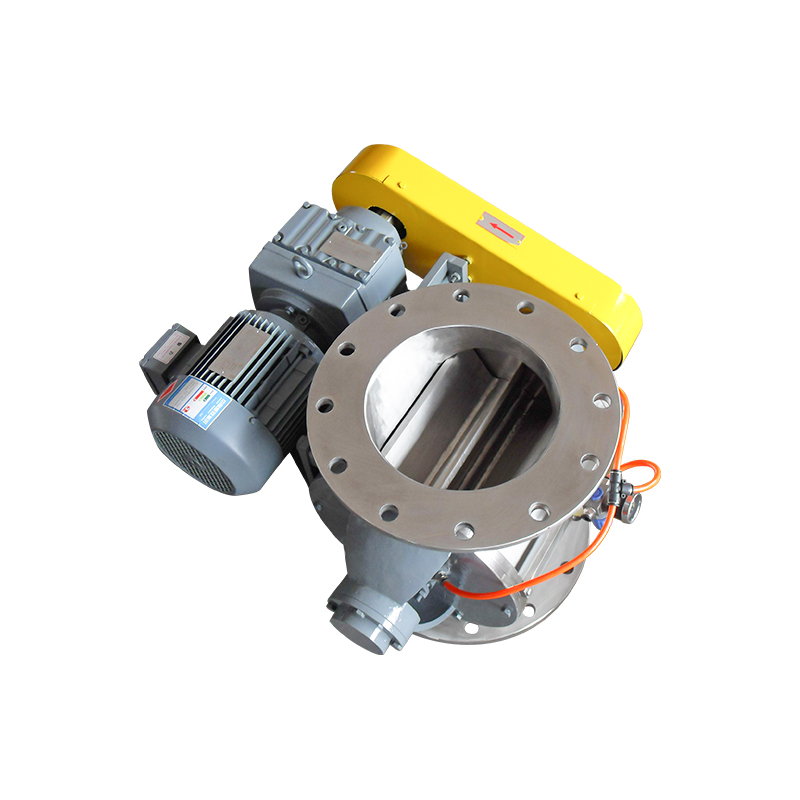
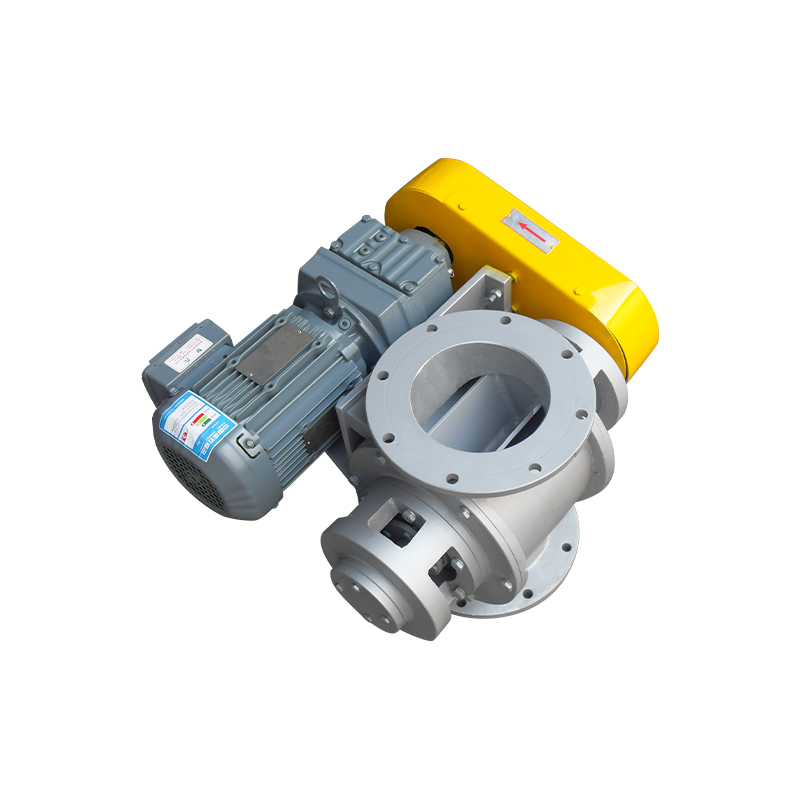
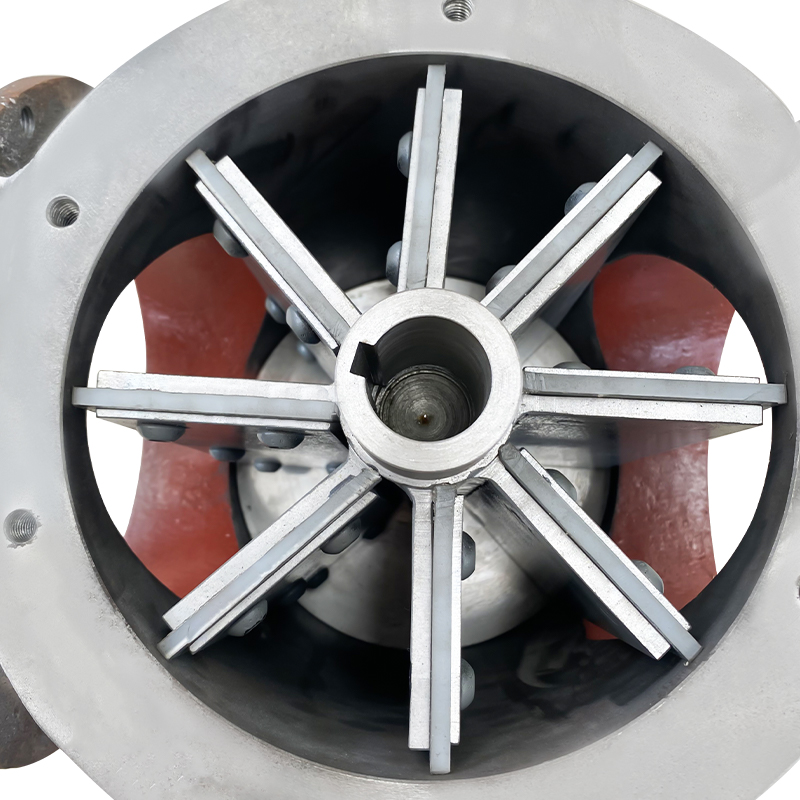
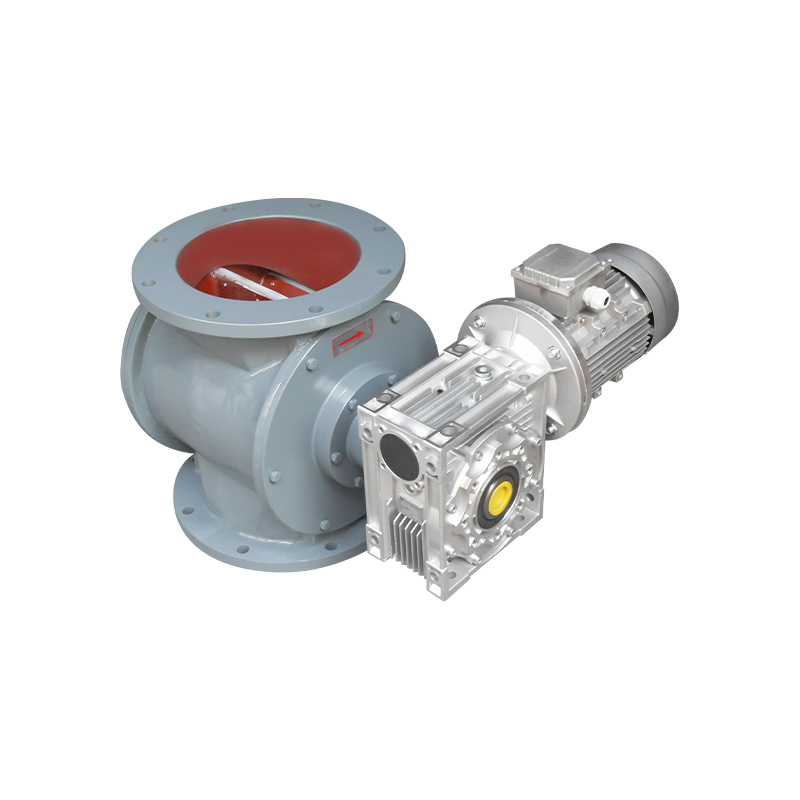
A square port rotary valve is a mechanical airlock device used to transfer bulk solids, powders, or granular materials between two zones of differing pressure while maintaining a continuous seal. Unlike standard round port rotary valves, this design uses a rotor with square-shaped pockets rather than curved or teardrop-shaped ones. The square geometry increases the effective volume of each pocket relative to the rotor diameter, allowing the valve to move more material per revolution without increasing the overall footprint of the equipment.
These valves are typically installed beneath hoppers, cyclones, dust collectors, or bins, where they meter material downward into pneumatic conveying lines, bagging equipment, or processing vessels. Because the valve rotor turns continuously, it creates a rotating series of sealed chambers that isolate the upstream pressure environment from the downstream one, preventing air leakage, dust escape, or product contamination.
The primary distinction between square port and round port rotary valves lies in pocket geometry and how that geometry interacts with the housing bore. Round port valves rely on curved rotor blades that closely trace the circular housing, which limits the pocket volume for a given rotor diameter. Square port valves, on the other hand, use flat-faced rotor pockets that create a larger open volume within the same housing size.
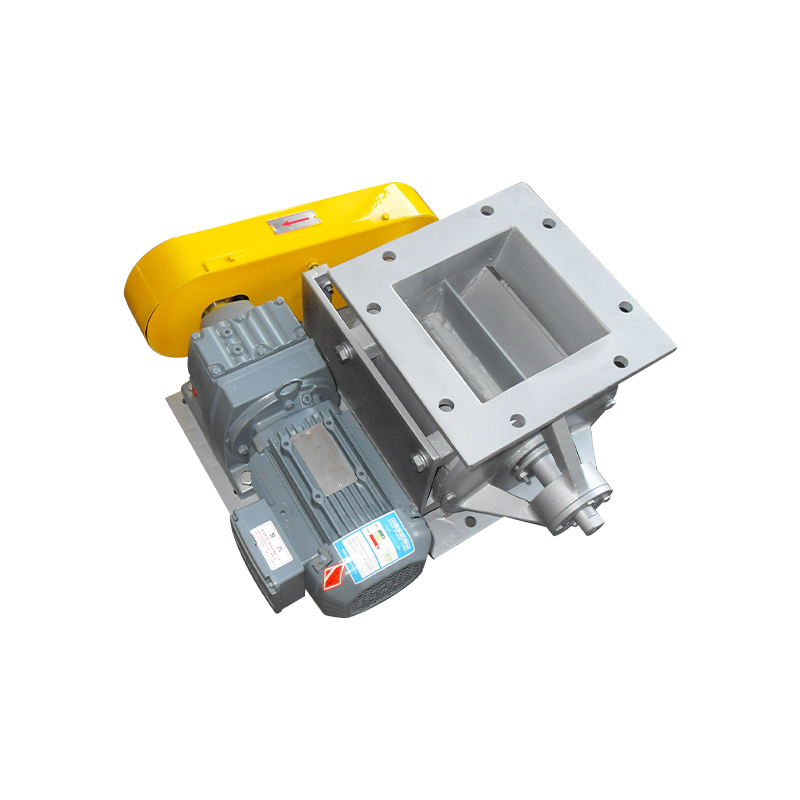
These structural differences make square port valves particularly effective in applications where throughput per unit size matters, such as in facilities with limited vertical clearance beneath a hopper or silo.
Square port rotary valves are used across a wide range of industries that handle dry bulk solids. Their ability to maintain a reliable air seal while metering material makes them valuable wherever pressure differentials exist between processing stages.
In each of these settings, the valve must handle continuous duty cycles, resist material buildup, and maintain consistent sealing performance even as internal components wear over time.
Facilities that switch to square port designs often do so to solve specific throughput or space limitations. The following benefits explain why this valve style has gained traction in demanding bulk handling environments.
Because square pockets fill the rotor cavity more completely than curved ones, a square port valve can move a greater volume of material for each revolution. This means operators can either reduce rotor speed to lower wear, or maintain the same speed to achieve higher throughput without upsizing the valve body.
Facilities with limited headroom beneath a hopper or bin benefit from the compact profile of square port valves, since they can achieve the same throughput as a larger round port valve while occupying less vertical space.
The flat blade edges of square port rotors can be machined to very tight tolerances against the housing, which helps minimize air leakage across the valve when handling fine powders that are prone to blow-by under pressure differentials.
Material selection plays a major role in the service life of a square port rotary valve, especially when handling abrasive or corrosive materials. Manufacturers typically offer several combinations of housing and rotor materials to match specific process conditions.
| Material Option | Best Suited For | Key Trait |
| Cast Iron Housing | General dry bulk solids | Cost-effective, durable |
| Stainless Steel Housing | Food, pharmaceutical, chemical processing | Corrosion resistant, easy to clean |
| Hardened Steel Rotor | Abrasive powders like cement or sand | Extended wear resistance |
| Coated Rotor Tips | High-friction or sticky materials | Reduced material adhesion |
Selecting the correct combination of housing and rotor materials up front reduces unplanned downtime and extends the interval between maintenance cycles.
Choosing the correct valve involves more than matching pipe size. Engineers should evaluate several operational factors before finalizing a specification.
Working with a valve manufacturer or process engineer to review these variables ensures the selected rotor style, blade tip design, and drive configuration align with the actual operating conditions rather than generic assumptions.
Like any mechanical airlock, square port rotary valves require routine inspection to sustain sealing performance and prevent premature failure. A structured maintenance program should include the following checks.
Early detection of wear at the rotor tips is particularly important for square port valves, since even small increases in clearance can allow air to bypass the sealed pockets, reducing conveying efficiency and increasing energy consumption in downstream pneumatic systems.
Even well-maintained valves can experience performance issues if operating conditions change. Recognizing early warning signs allows maintenance teams to address problems before they escalate into unplanned shutdowns.
Addressing these symptoms promptly not only preserves valve performance but also protects downstream equipment such as blowers, filters, and conveying lines from the effects of an inefficient airlock.
Square port rotary valves offer a practical solution for facilities that need higher volumetric efficiency within a compact footprint. Their design advantages make them especially suitable for abrasive, fine, or high-throughput bulk material applications where consistent sealing and reliable metering are critical to overall process performance. By selecting appropriate materials, sizing the valve correctly for the application, and following a disciplined maintenance schedule, operators can maximize equipment uptime and minimize the total cost of ownership over the life of the system.