

 English
 عربى
عربى
Home / News / Industry News / How Do Round Port Rotary Valves Help Keep System Pressure Under Control?
Industry News
Content
Round port rotary valves play an essential role in pneumatic conveying and material handling systems, serving as the critical link between pressurized and non-pressurized sections of a process line. These valves regulate the flow of bulk materials while maintaining an airtight seal, preventing air leakage that could compromise system efficiency or safety. This article explores how round port rotary air valves function, their design advantages, and practical guidance for selecting and maintaining them in industrial applications.
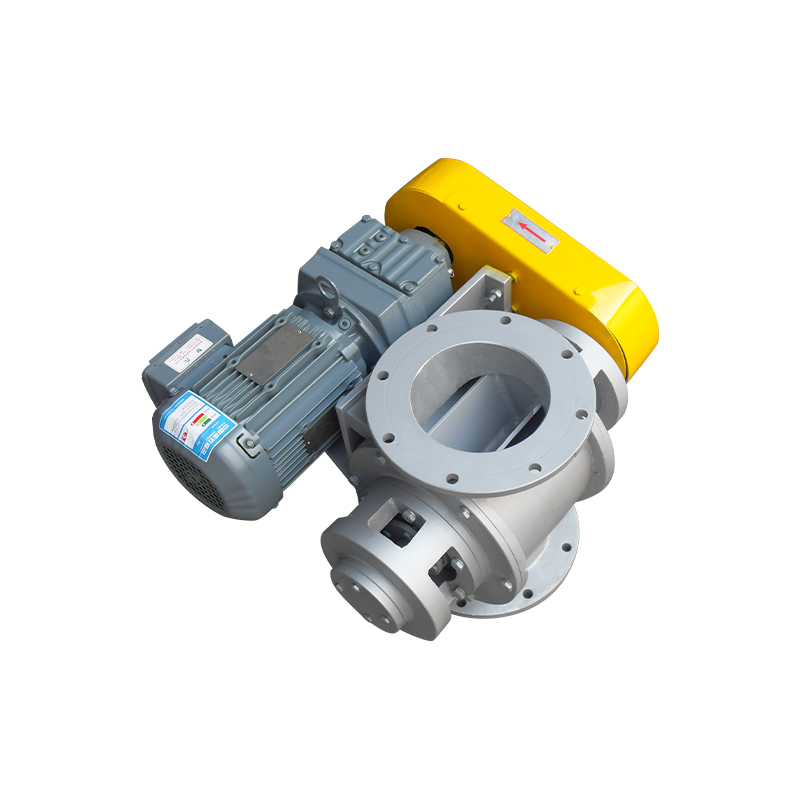
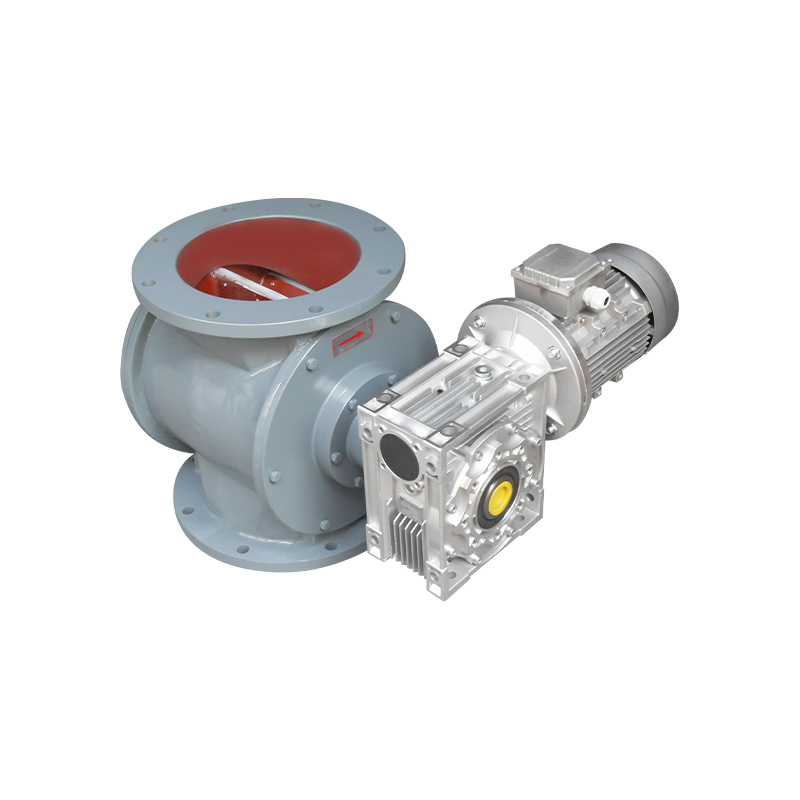
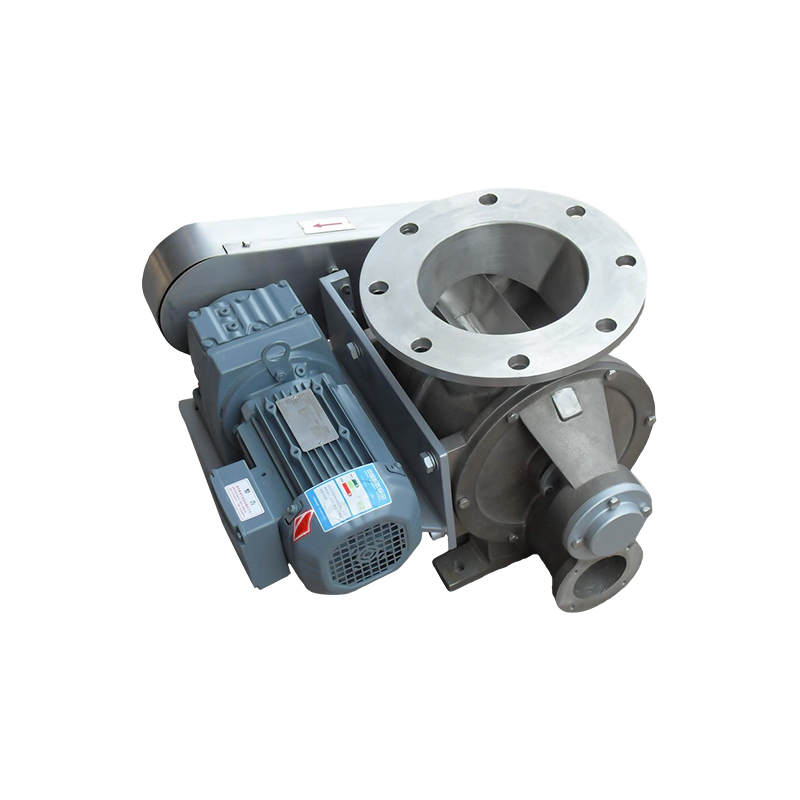
A rotary valve, sometimes called a rotary airlock or rotary feeder, consists of a rotor with multiple pockets that rotates within a close-tolerance housing. As the rotor turns, material falls into each pocket at the inlet and is carried around to the outlet, where it is discharged. The round port configuration refers to the shape of the inlet and outlet openings, which are circular rather than square or rectangular.
This circular port design offers a distinct advantage in maintaining a consistent seal between the pressurized and non-pressurized sides of the valve. Because the rotor pockets and housing are machined to match the round profile precisely, air leakage is minimized, which is critical for systems relying on pressure differentials to move material efficiently through pneumatic conveying lines.
The primary function of a rotary air valve is to act as an airlock, allowing material to pass from a high-pressure or vacuum zone to atmospheric conditions, or vice versa, without allowing significant air to escape or infiltrate the system. This is particularly important in applications such as dust collection systems, pneumatic conveying lines, and bin discharge points, where maintaining pressure differential directly affects system performance and energy efficiency.
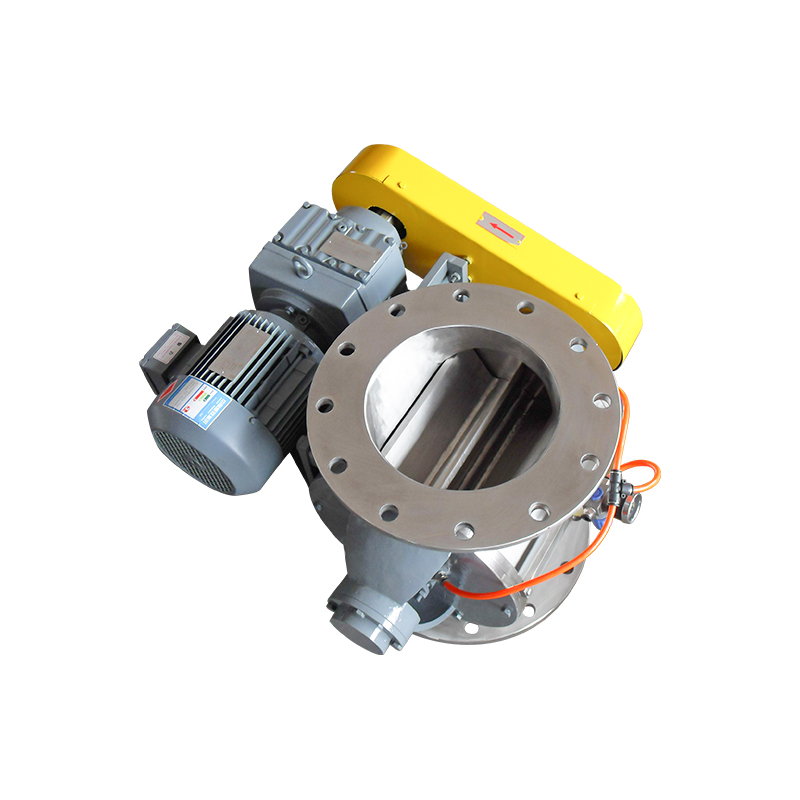
The performance of a rotary valve in controlling pressure depends heavily on the clearance between the rotor and housing. Round port designs typically allow for tighter, more uniform clearances across the entire sealing surface compared to square port alternatives, reducing the potential leak paths and improving overall volumetric efficiency. Manufacturers often specify clearance tolerances in thousandths of an inch to ensure optimal sealing performance.
Rotor pocket design also influences pressure control and material handling efficiency. Common rotor styles include open-end, closed-end, and staggered configurations, each suited to different material characteristics and pressure requirements. Selecting the appropriate rotor style helps prevent material bridging, reduces product degradation, and maintains consistent airlock performance.
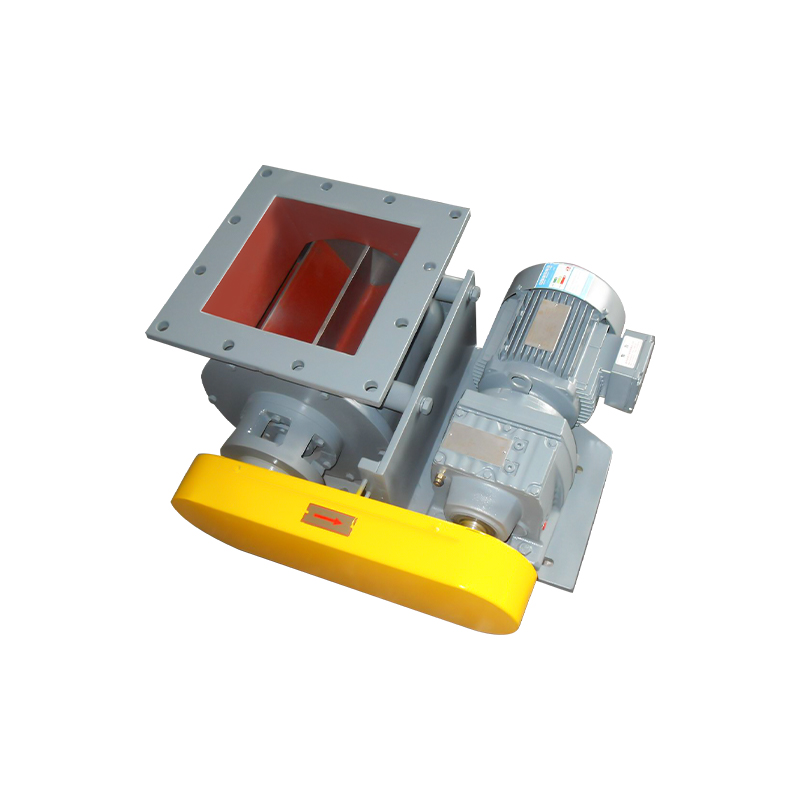
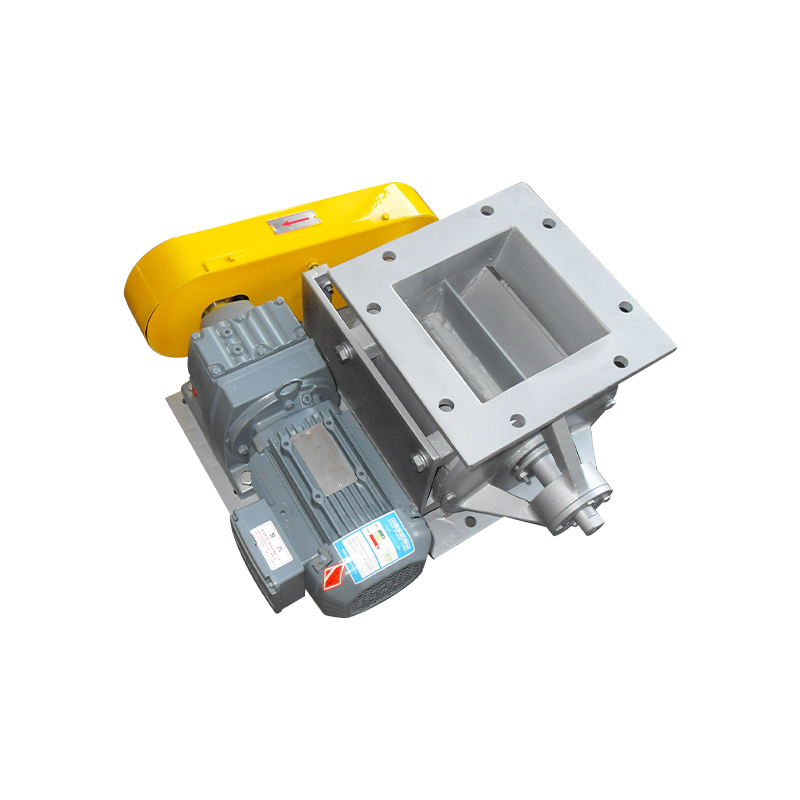
While both round port and square port rotary valves are widely used across industries, understanding their differences helps in selecting the right valve for a specific application. The table below highlights key distinctions between the two designs.
| Feature | Round Port Valve | Square Port Valve |
| Sealing Efficiency | Higher | Moderate |
| Manufacturing Cost | Higher precision, higher cost | Lower cost |
| Best Suited For | High-pressure differential systems | General material handling |
| Maintenance Complexity | Moderate | Lower |
For applications where minimizing air loss is a top priority, such as vacuum conveying systems or processes handling fine powders, round port rotary valves are often the preferred choice due to their superior sealing characteristics.
Round port rotary air valves are used extensively across a variety of industries that require precise pressure control and reliable material discharge. Typical applications include:
The physical properties of the material being handled, including particle size, abrasiveness, moisture content, and flow characteristics, significantly influence valve selection. Abrasive materials may require hardened rotor coatings or wear-resistant housing liners to extend service life and maintain sealing performance over time.
Understanding the maximum pressure differential the valve will experience is essential for proper sizing and material selection. Higher pressure differentials typically require tighter tolerances, reinforced housings, and sometimes specialized rotor coatings to maintain consistent sealing performance without excessive wear.
Regular maintenance is essential for keeping round port rotary valves operating efficiently. Recommended practices include routinely inspecting rotor and housing clearances for wear, checking shaft seals and bearings for signs of leakage or damage, and monitoring for unusual noise or vibration that may indicate misalignment. Scheduling preventive maintenance based on operating hours and material abrasiveness helps avoid unexpected downtime and extends the overall service life of the valve.
Round port rotary air valves offer superior sealing performance and reliable pressure control for a wide range of industrial applications. By understanding their design advantages, comparing them against alternative configurations, and following proper selection and maintenance practices, facility operators can achieve consistent, efficient material handling while minimizing air loss and operational costs. Partnering with an experienced valve manufacturer ensures the right configuration is chosen to meet specific process requirements and long-term performance goals.