

 English
 عربى
عربى
Home / News / Industry News / How Anti Jamming Rotary Valves Prevent Blockages and Improve System Reliability
Industry News
Content
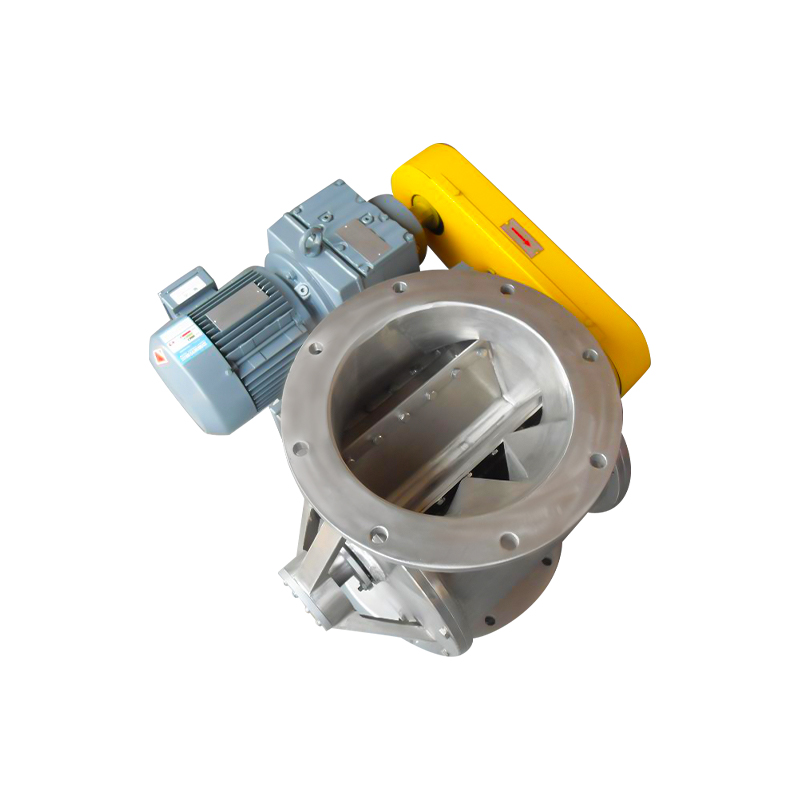
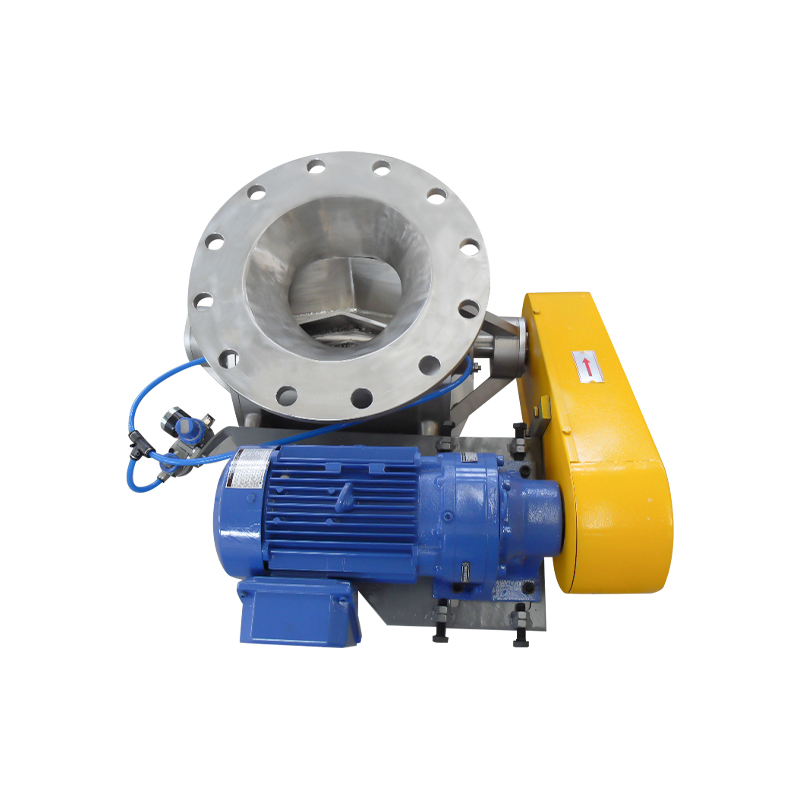
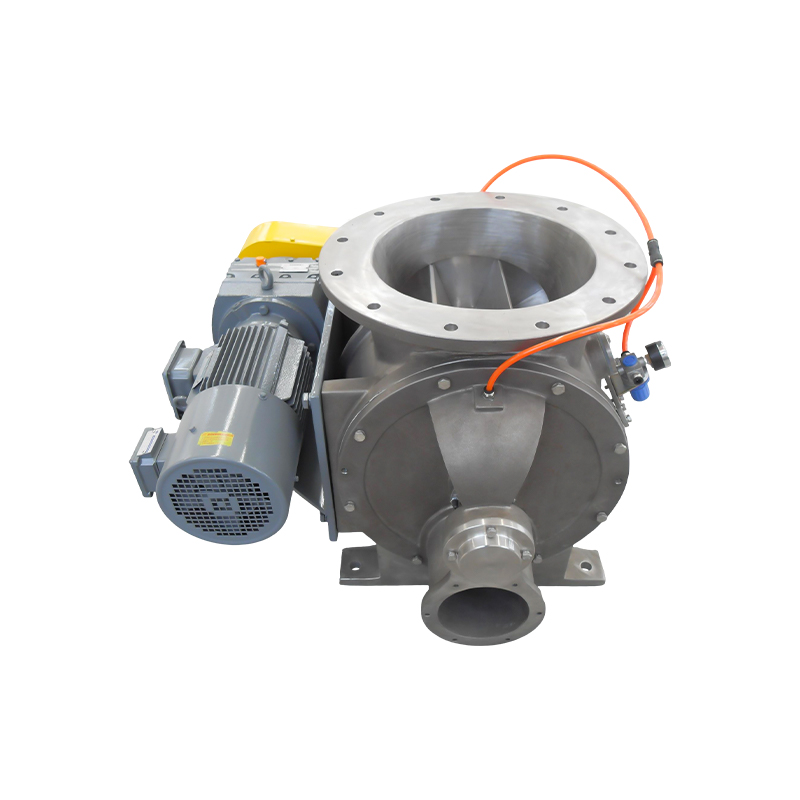
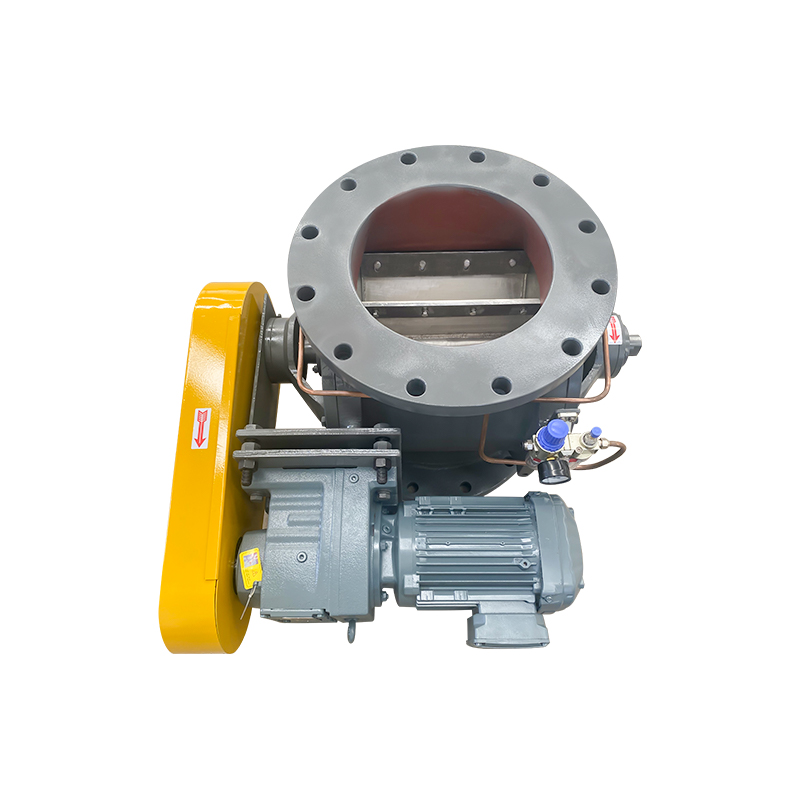
Rotary valves are widely used in industries that handle bulk solids, powders, and granular materials, including cement plants, food processing facilities, pharmaceutical manufacturing, and pneumatic conveying systems. Their primary function is to regulate material flow between two pressure zones while maintaining an airlock, allowing continuous material transfer without disrupting system pressure. However, standard rotary valves are prone to jamming when handling materials that are sticky, fibrous, abrasive, or inconsistent in particle size. Anti jamming rotary valves are engineered specifically to address this weakness, incorporating design features that reduce blockages, minimize downtime, and extend equipment lifespan.
Jamming is not just an inconvenience. It can lead to costly production stoppages, damaged rotor blades, motor overload, and in severe cases, complete valve failure requiring replacement. For facilities running continuous operations, even a short jam can cascade into hours of lost throughput. Understanding how anti jamming rotary valves work, what design elements prevent blockages, and how to select the right model for a specific application can significantly improve operational reliability.
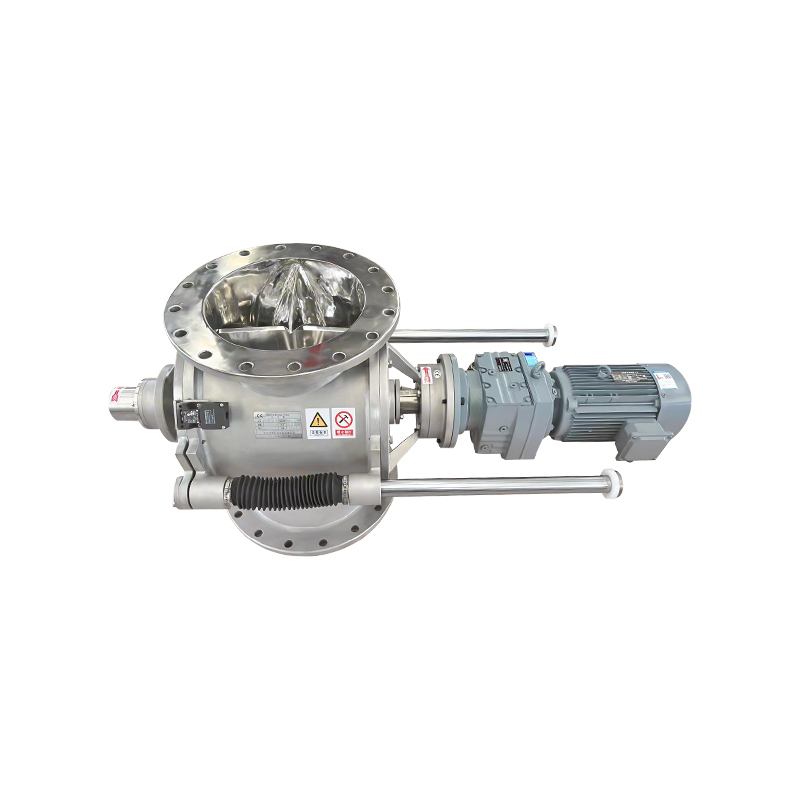
Before examining anti jamming solutions, it helps to understand why jamming occurs in the first place. Several material and mechanical factors contribute to blockages inside a rotary valve housing.
Materials with high moisture content, oily residues, or fine particle sizes tend to stick to rotor blades and housing walls. Fibrous materials such as wood chips or agricultural byproducts can wrap around the rotor shaft, while oversized particles or foreign debris can lodge between the rotor and housing, halting rotation entirely.
Standard rotary valves are manufactured with tight clearances between the rotor tips and housing to minimize air leakage. While this improves sealing efficiency, it also increases the risk of jamming when hard particles or contaminants enter the gap, since there is little room for material to pass without resistance.
Anti jamming rotary valves incorporate several engineering modifications that reduce the likelihood of blockages while maintaining airlock performance. These features can be combined depending on the application and material being handled.
Among these, torque-limiting couplings are particularly important for protecting the motor and gearbox. When a jam occurs, the coupling absorbs the excess torque or shears a designed weak point, stopping the rotor before the drive train suffers damage. This turns a potential motor burnout into a simple, low-cost part replacement.
Rotor geometry plays a major role in how well a valve resists jamming. Different rotor styles are suited to different material types, and choosing the wrong rotor for the application is one of the most common reasons jamming issues persist even after installing an anti jamming valve.
| Rotor Type | Best Suited Material | Jam Resistance |
| Closed-end rotor | Fine powders | Low |
| Open-end rotor | Granular solids with occasional oversized particles | High |
| Recessed tip rotor | Sticky or moist bulk materials | Medium-High |
| Staggered blade rotor | Mixed particle sizes | Medium |
Open-end rotors, for example, are commonly used in pneumatic conveying systems where occasional lumps or clumps pass through the line. Their central opening allows these irregular particles to move through the rotor pocket rather than becoming wedged between the blade and housing wall.
Choosing the correct valve requires evaluating both the material properties and the system's operating conditions. A few key factors should guide the selection process.
Materials with poor flowability, such as those prone to bridging or clumping in a hopper, benefit from valves with agitated inlets or vibratory assistance to keep material moving consistently into the rotor pockets.
High-temperature applications, such as those found in cement or lime processing, require valves constructed with heat-resistant alloys and expanded clearances to account for thermal expansion of internal components, which otherwise could tighten tolerances enough to cause binding.
Valves with removable end covers or split housings allow for faster inspection and clearing of blockages without requiring full disassembly from the connected ductwork, reducing downtime during routine maintenance or unexpected jams.
Even the most well-designed anti jamming valve requires proper maintenance to perform reliably over time. Routine inspection of rotor tip clearances helps catch wear before it becomes severe enough to cause binding. Lubrication schedules for bearings and shaft seals should be followed according to manufacturer specifications, since dry or worn bearings can cause rotor misalignment that increases friction against the housing.
Operators should also monitor upstream material handling equipment, since inconsistent feed rates or unexpected foreign debris entering the system are frequent contributors to jamming events that are mistakenly attributed to valve design flaws. Installing screens or magnetic separators upstream of the valve can catch debris before it reaches the rotor housing, further reducing the frequency of jams regardless of valve type.