

 English
 عربى
عربى
Home / News / Industry News / What Are the Key Applications of Carbon Steel Square Port Rotary Discharge Valves?
Industry News
Content
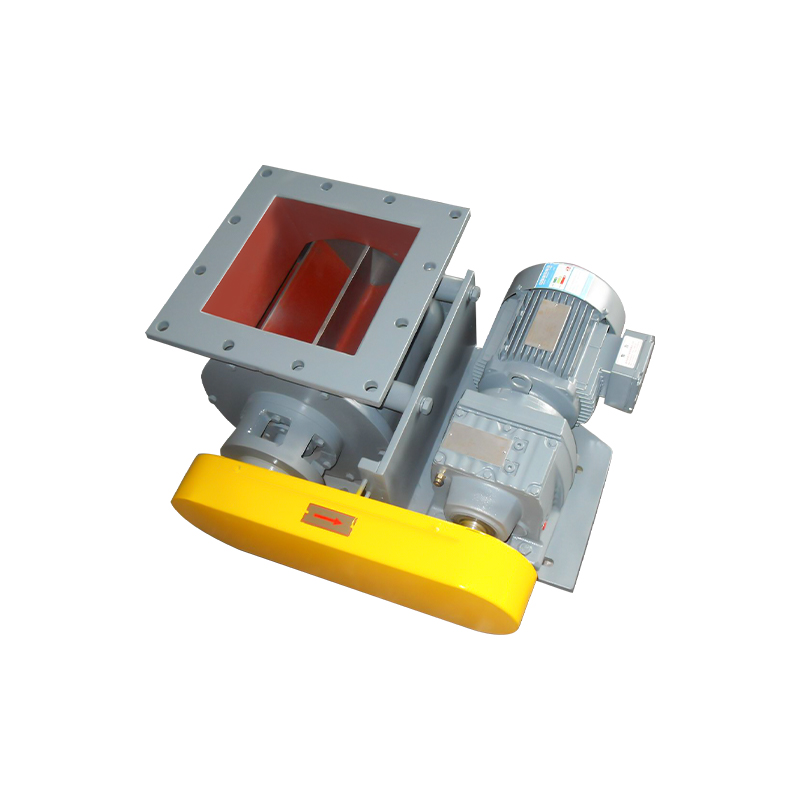
Carbon steel square port rotary discharge valves are essential components in bulk material handling systems. Their robust design allows them to efficiently control the flow of powders, granules, and other bulk solids from hoppers, silos, or feeders, making them critical for industrial processes that demand reliable and consistent material discharge.
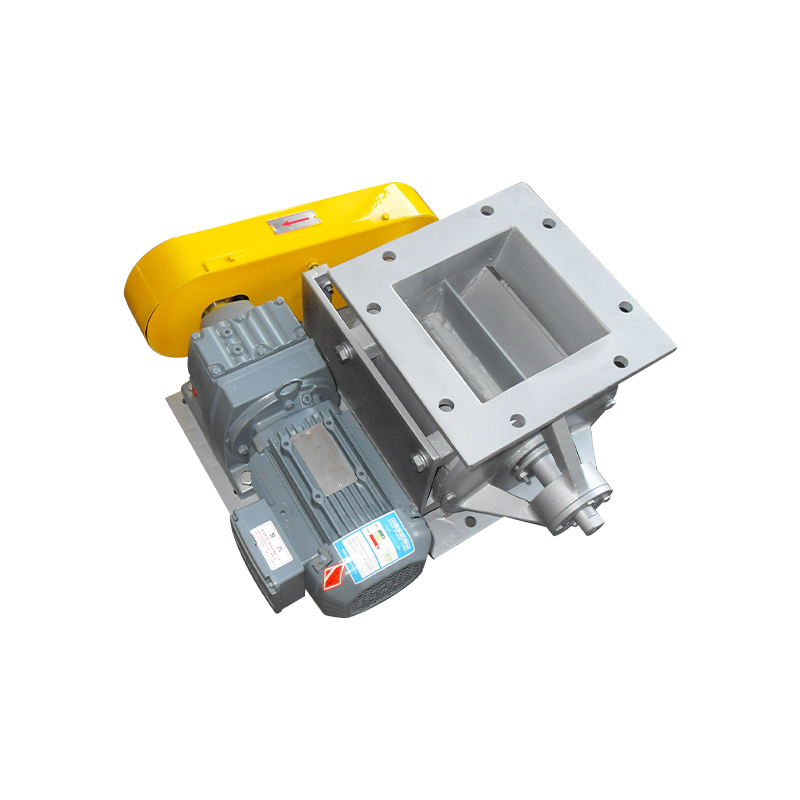
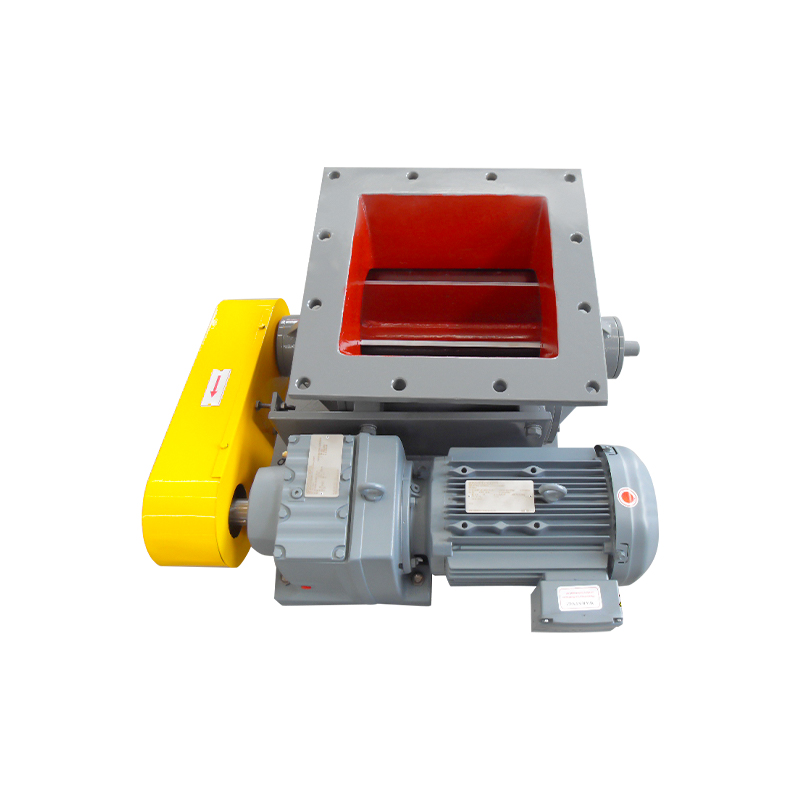
A carbon steel square port rotary discharge valve consists of a rotating rotor inside a square port housing. The rotor blades rotate to regulate material flow while maintaining a tight seal to prevent backflow or air leakage. The carbon steel construction provides durability and resistance to mechanical wear, allowing these valves to handle abrasive and heavy-duty materials efficiently.
The use of carbon steel ensures strength, high wear resistance, and longevity, making the valve suitable for industrial environments where heavy or abrasive materials are processed. Its robust structure allows operation under high pressure and temperature conditions.
The square port design provides consistent material feed, minimizing bridging and clogging issues. It ensures precise control over the discharge rate, which is critical in processes requiring accurate batching or dosing of bulk solids.
Rotary valves are designed to maintain an airtight seal between the inlet and outlet, preventing material backflow and maintaining system pressure. This is especially important in pneumatic conveying systems, where maintaining airflow is crucial for efficient transport.
In food processing, carbon steel rotary valves handle grains, flour, sugar, and other bulk powders. Their sanitary design and smooth operation reduce contamination risk, ensuring consistent flow for mixing, packaging, and dosing operations.
These valves are widely used for transferring powders and granules in chemical and pharmaceutical production lines. The tight sealing and precise flow control prevent contamination, dust leakage, and material loss, maintaining quality and process efficiency.
Rotary discharge valves in cement and construction material plants control the flow of cement, sand, and aggregates from silos and hoppers. The wear-resistant carbon steel construction ensures long-lasting performance in abrasive material handling.
In agriculture, these valves handle grains, seeds, and feed pellets. The square port ensures uniform feeding into conveyors or processing equipment, preventing blockages and supporting efficient plant operations.
Rotary discharge valves are essential for maintaining pressure differentials in pneumatic conveying systems. Their tight seal prevents air leaks, ensuring smooth and consistent transport of bulk materials through pipelines.
| Feature | Carbon Steel | Stainless Steel | Aluminum |
| Durability | High | Very High | Moderate |
| Cost | Moderate | High | Low |
| Wear Resistance | High | High | Low |
| Maintenance | Low | Moderate | High |
Carbon steel square port rotary discharge valves are versatile components widely used across food processing, chemical production, cement plants, agriculture, and pneumatic conveying systems. Their robust construction, airtight sealing, and precise flow control make them indispensable for industries that require reliable, consistent, and efficient material handling.