

 English
 عربى
عربى
Home / News / Industry News / What Applications Best Suit an Anti‑Stuck Rotary Valve With Offset Inlet and Outlet?
Industry News
Content
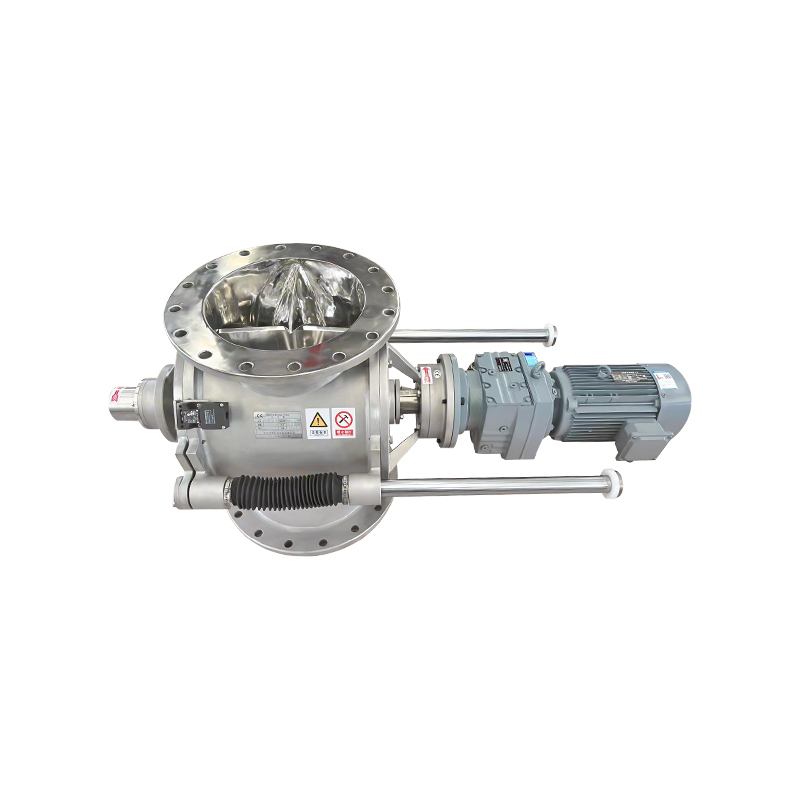
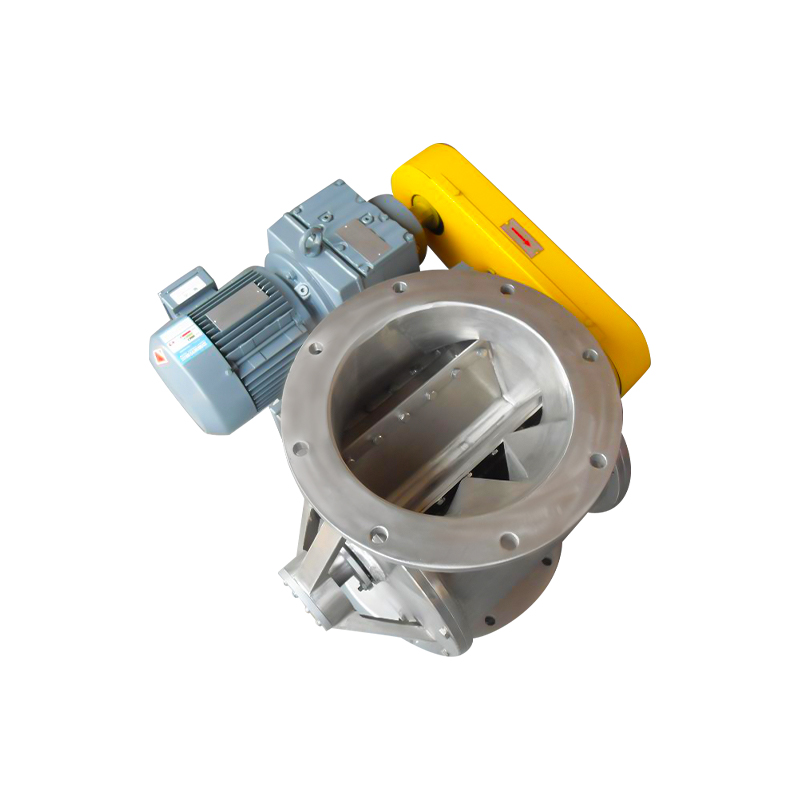
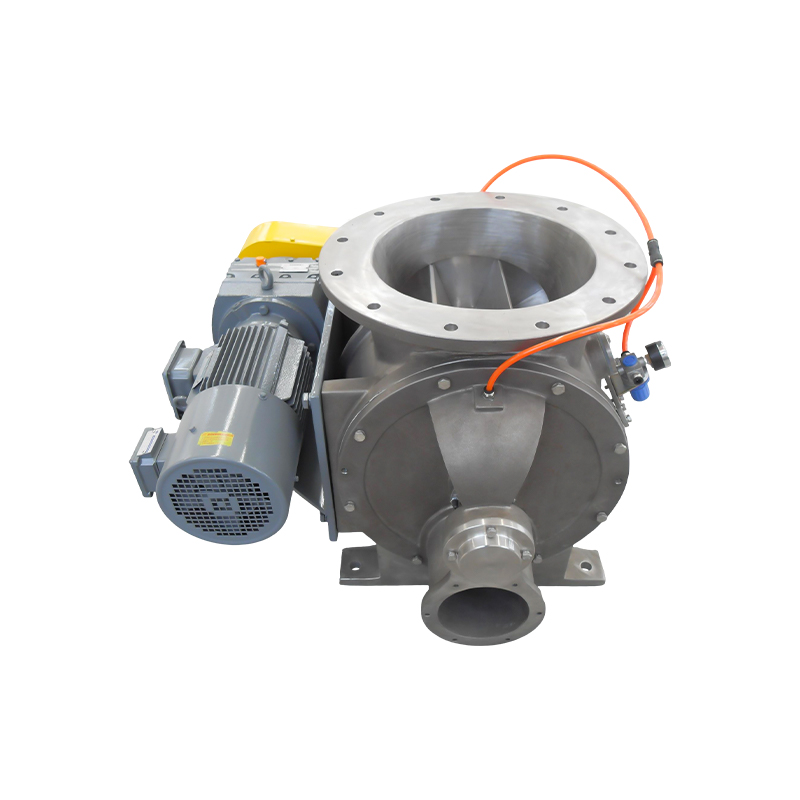
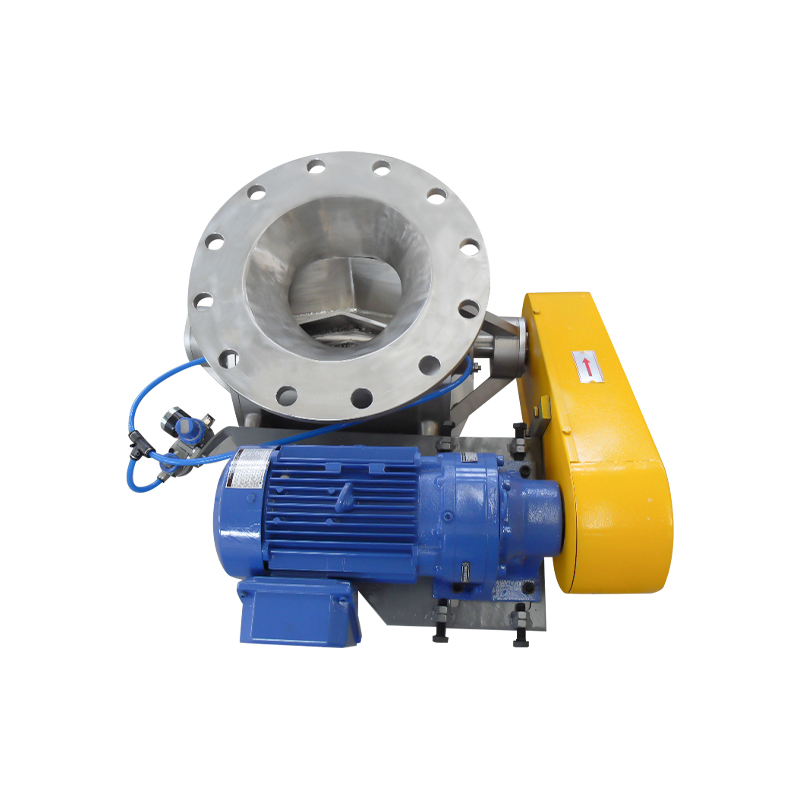
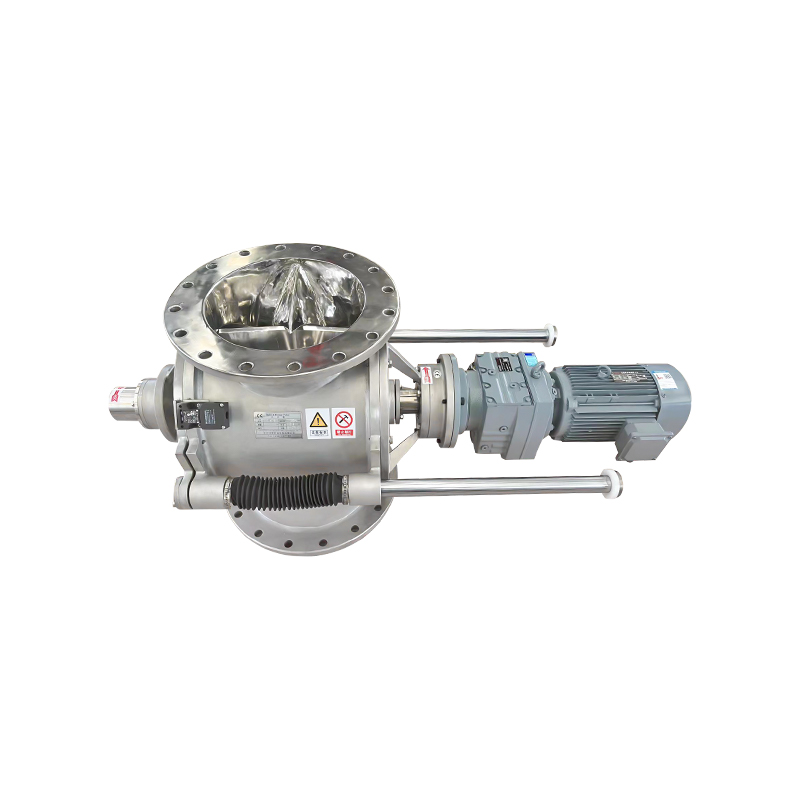
An anti-stuck rotary valve with offset inlet and outlet is a specialized mechanical device designed to regulate bulk material flow while preventing clogging and bridging. The offset design allows material to move smoothly through the valve, reducing pressure build-up and minimizing the risk of material sticking to the rotor or housing. These valves are critical in industries handling powders, granules, and bulk solids where continuous and reliable flow is required.
Choosing the right applications for such valves requires understanding their operational advantages, material compatibility, and environmental conditions. This article explores the main industries, processes, and specific applications where anti-stuck rotary valves provide maximum efficiency and reliability.
The offset inlet and outlet design of these rotary valves ensures minimal contact between the bulk material and the valve surfaces. This reduces friction and prevents material accumulation. Key features include high wear resistance, precise rotor control, and the ability to handle abrasive, sticky, or heat-sensitive materials. Additionally, anti-stuck rotary valves can be equipped with specialized coatings and adjustable clearances to optimize flow for specific materials.
Anti-stuck rotary valves with offset inlet and outlet are widely used in industries where consistent bulk material flow is essential. Their design prevents blockages and reduces downtime in critical production processes.
Anti-stuck rotary valves perform best when environmental and process conditions are compatible with valve design. Factors such as temperature, humidity, material moisture content, and particle size influence valve efficiency.
Anti-stuck rotary valves with offset inlet and outlet are essential in industries that require reliable bulk material handling. They excel in food, pharmaceutical, chemical, plastics, construction, and agricultural applications by preventing clogging, improving flow, and enhancing operational efficiency. Selecting the right valve based on material characteristics, environmental conditions, and process requirements ensures optimal performance, reduced maintenance, and long-term operational reliability.