

 English
 عربى
عربى
Home / News / Industry News / How Do Square Port Rotary Valves Improve Flow Control in Industrial Systems?
Industry News
Content
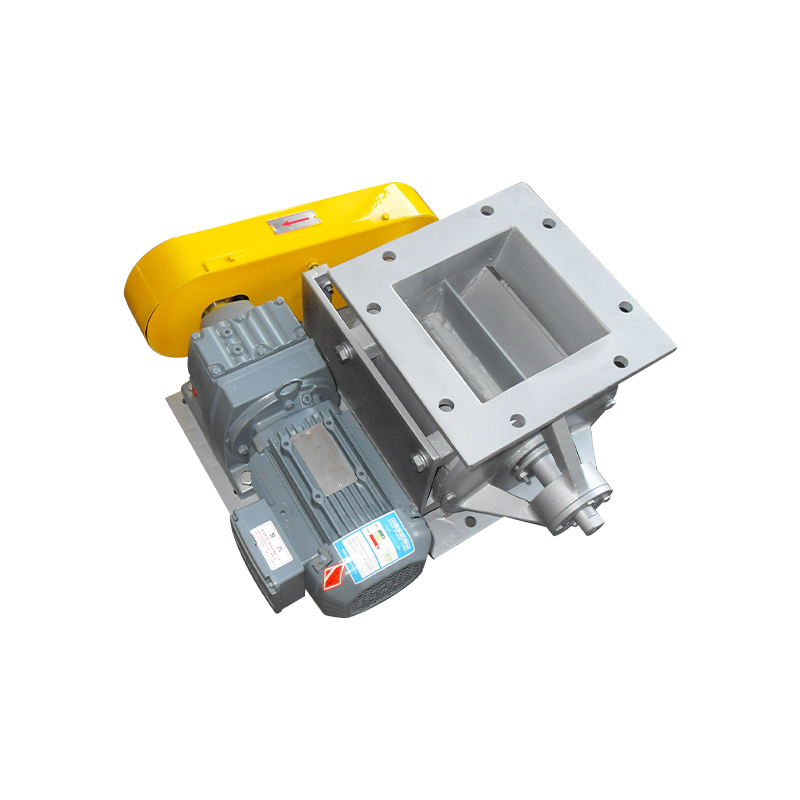
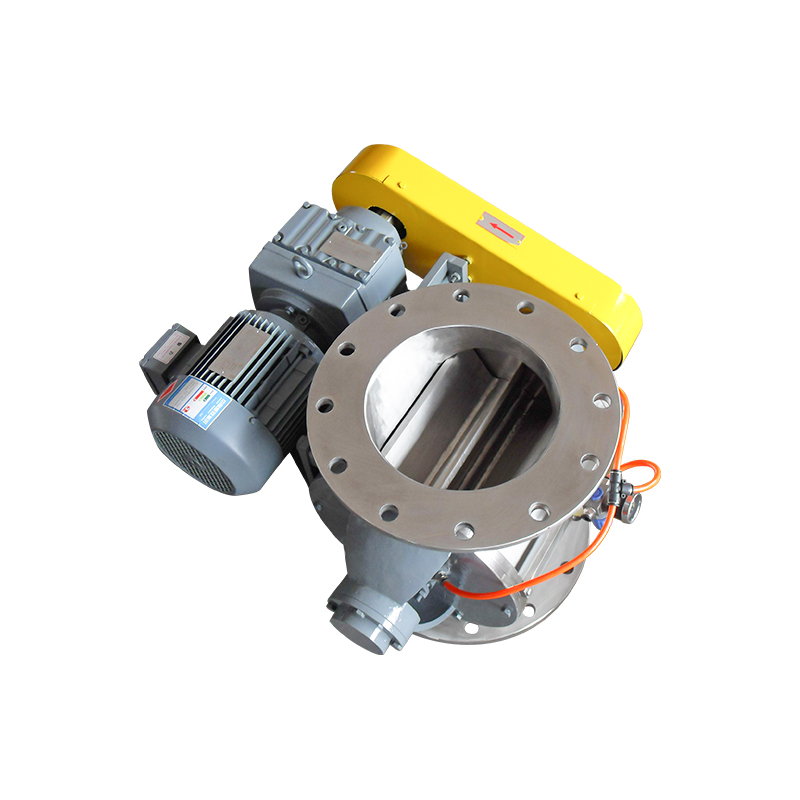
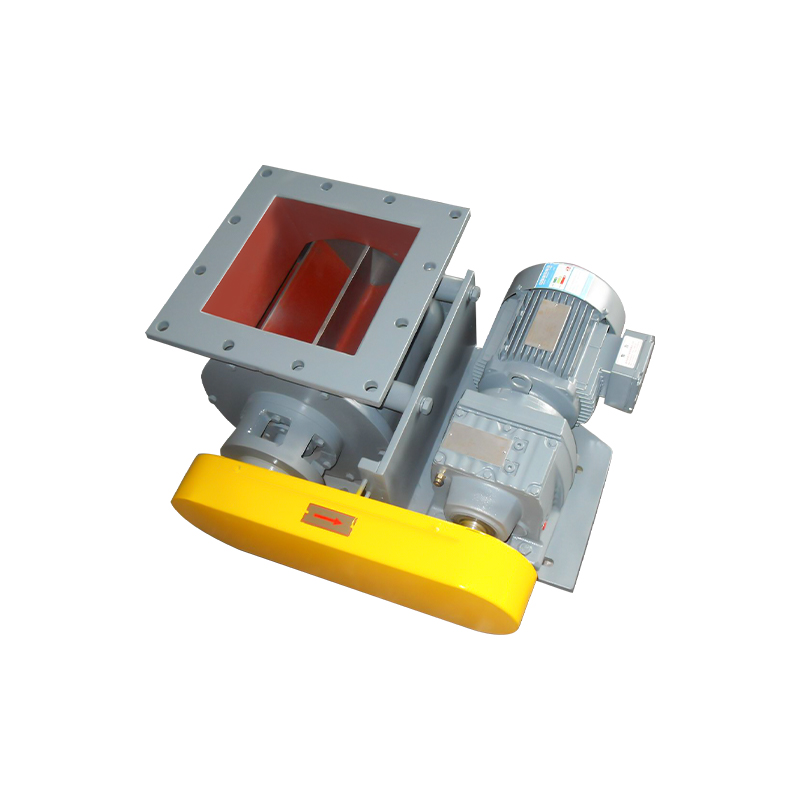
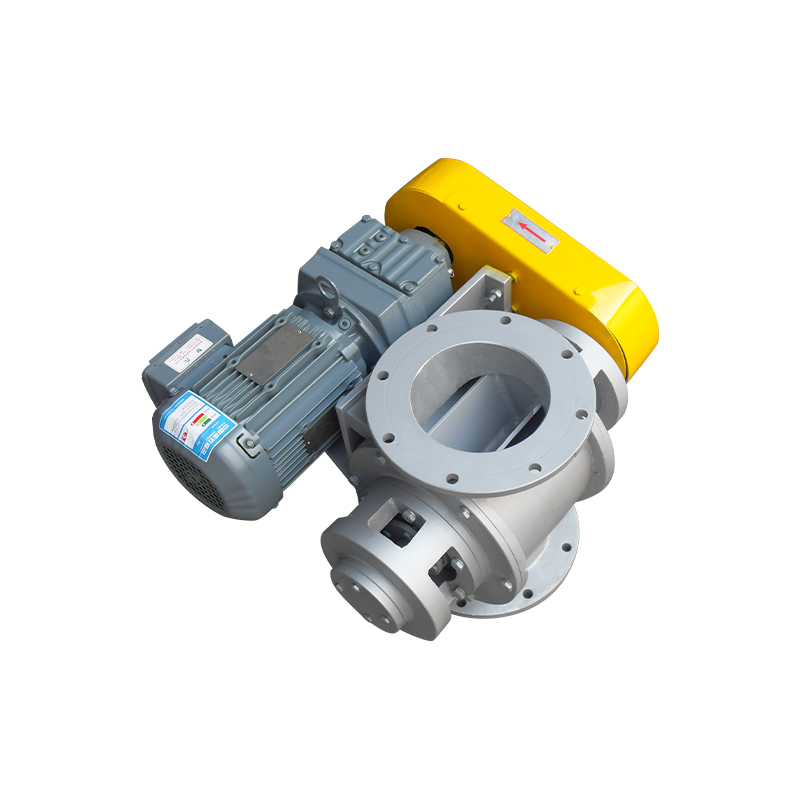
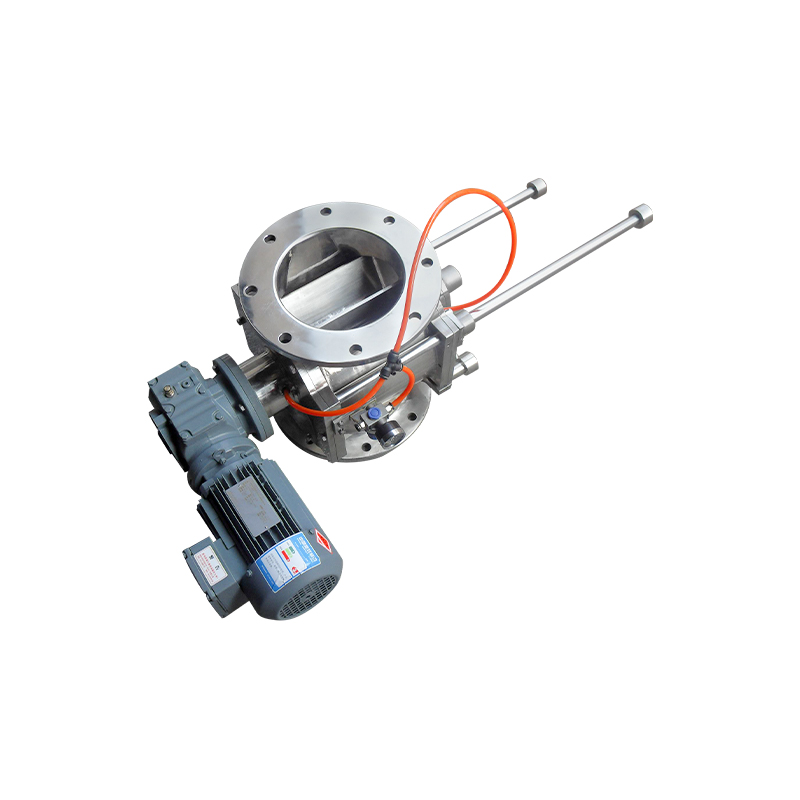
A square port rotary valve is a mechanical device used to regulate the flow of bulk solids, powders, granules, or dusty materials between two points in a process system, typically while maintaining an airtight or pressure-differential seal. Unlike round port designs, square port rotary valves feature rectangular or square-shaped pockets machined into the rotor, which allows a larger cross-sectional opening within the same housing diameter. This design increases material throughput and reduces the likelihood of bridging or material hang-up, making these valves a preferred choice in applications where consistent, high-volume material transfer is essential.
These valves are widely used in industries such as food processing, pharmaceuticals, plastics, cement, grain handling, and chemical manufacturing. They are commonly installed beneath hoppers, silos, cyclones, dust collectors, and bag filters to meter or discharge material while isolating pressure zones between upstream and downstream equipment.
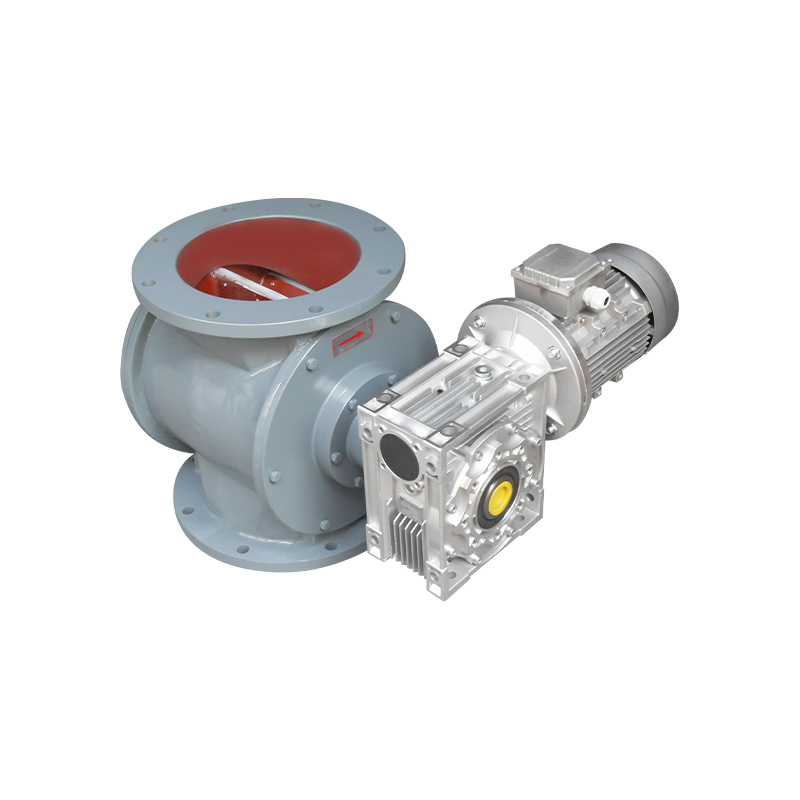
The core operating principle of a rotary valve involves a rotor with multiple pockets that rotates within a close-tolerance housing. As the rotor turns, each pocket fills with material at the inlet, carries it through a sealed rotation, and discharges it at the outlet. The square pocket geometry allows more material volume per rotation compared to standard round pockets of similar housing size, which improves volumetric efficiency without requiring a larger overall valve footprint.
Because the rotor maintains continuous contact with the housing through tight clearances, the valve also functions as an airlock, preventing air or gas from passing between the inlet and outlet sides. This is particularly important in pneumatic conveying systems and vacuum or pressure applications where maintaining a controlled pressure differential is critical to system performance.
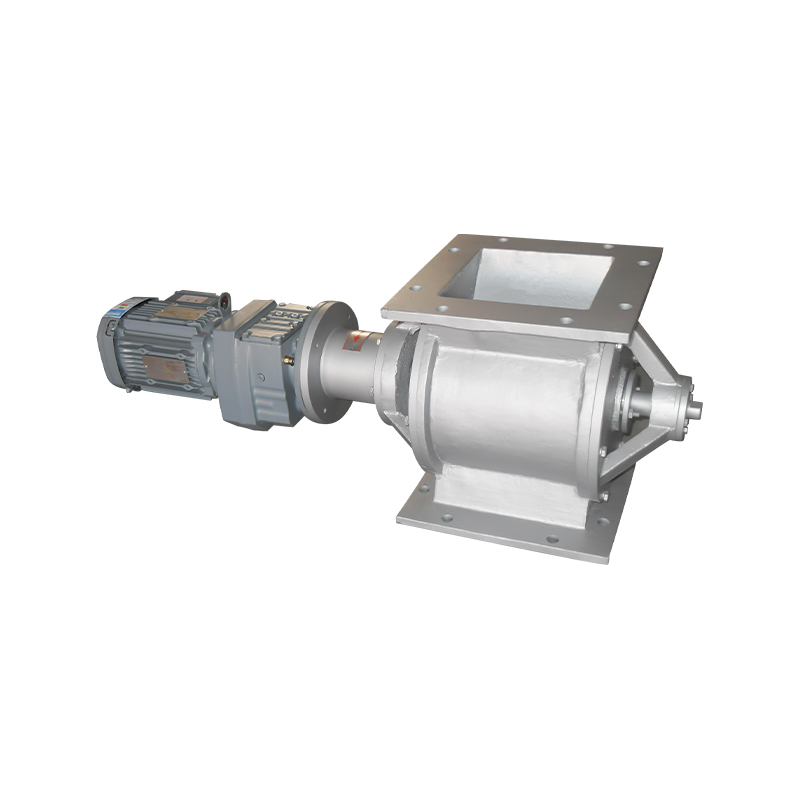
Square port rotary valves offer several measurable benefits compared to traditional round port designs, particularly in demanding industrial environments.
Square port rotary valves are selected based on the specific demands of the material being handled and the process environment. Their versatility makes them suitable across several sectors.
In baghouse and cyclone dust collectors, square port rotary valves discharge collected dust while preventing air from being pulled back into the collection chamber, which would compromise system efficiency and filter performance.
These valves serve as airlocks that feed material into positive or negative pressure conveying lines, ensuring a steady material feed rate without disrupting the conveying air stream.
Installed at the base of storage silos and hoppers, square port rotary valves regulate the metered release of powders and granules onto downstream conveyors or processing equipment.
| Feature | Square Port Valve | Round Port Valve |
| Pocket Volume | Higher for same housing size | Lower for same housing size |
| Best Material Type | Coarse, fibrous, irregular particles | Fine powders, free-flowing materials |
| Sealing Performance | Consistent across rotation | Good, but limited pocket contact area |
| Footprint Efficiency | More compact for equivalent throughput | Requires larger housing for same output |
Square port rotary valves are manufactured from various materials depending on the application's abrasiveness, temperature, and hygiene requirements. Cast iron housings are common for general industrial use due to their durability and cost-effectiveness, while stainless steel construction is preferred in food, pharmaceutical, and chemical applications where corrosion resistance and cleanability are essential. Rotor tip materials, such as hardened steel or replaceable wear strips, are often selected to extend service life when handling abrasive materials like sand, minerals, or ash.
Clearance tolerances between the rotor and housing also play a significant role in performance. Tighter clearances improve sealing but increase the risk of rotor contact and wear, while looser clearances reduce wear but may allow more air leakage. Manufacturers typically balance these factors based on the specific operating pressure differential and material characteristics of each application.
When choosing a square port rotary valve, engineers should evaluate the required throughput rate, the pressure differential across the valve, the abrasiveness and particle size of the material, and the operating temperature range. It is also important to confirm rotor speed capabilities, since higher rotor speeds increase throughput but can accelerate wear and reduce sealing effectiveness. Consulting with equipment suppliers to review material compatibility charts and requesting performance data from similar installations can help ensure the selected valve meets both current production needs and long-term reliability expectations.