

 English
 عربى
عربى
Home / News / Industry News / How Do Anti Jamming Rotary Valves Prevent Blockages in Powder Handling Systems?
Industry News
Content
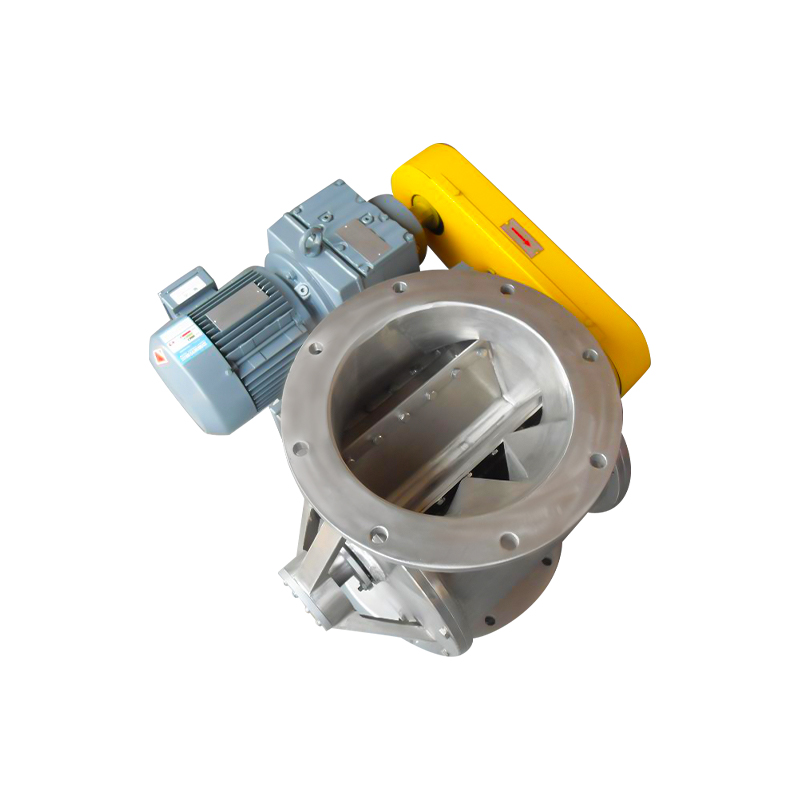
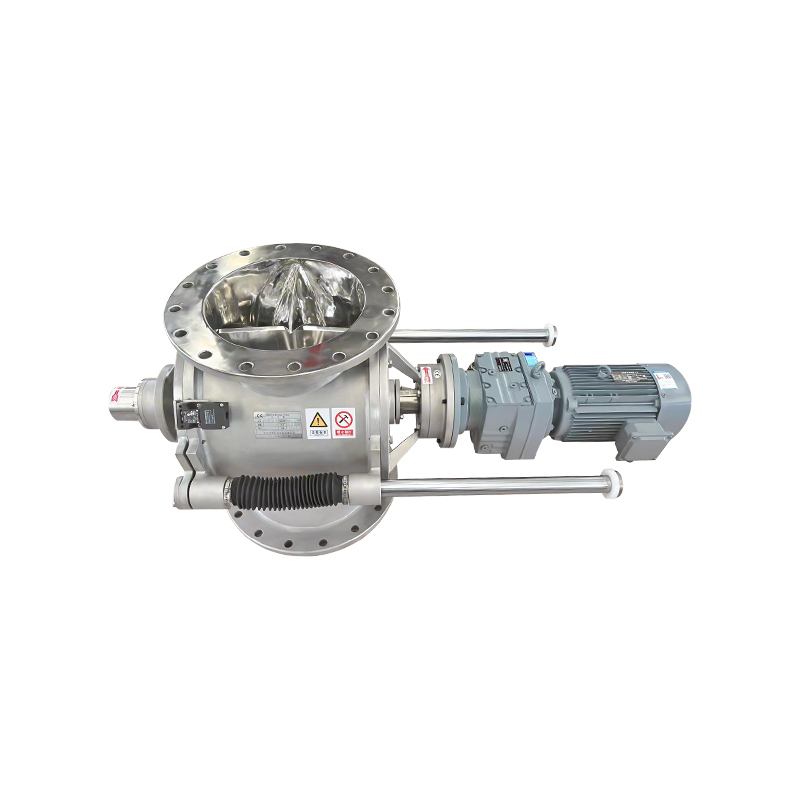
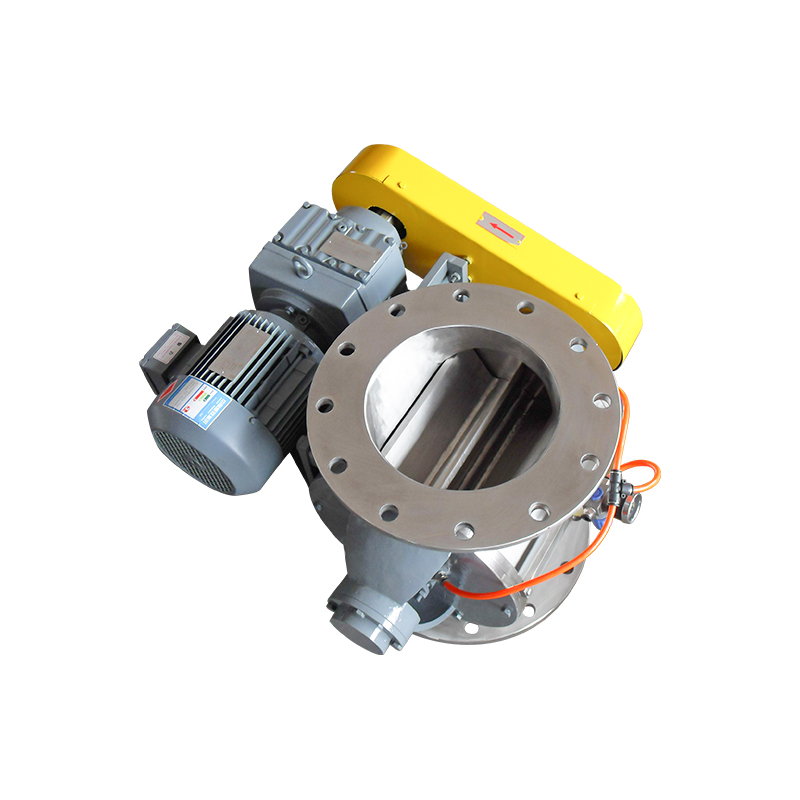
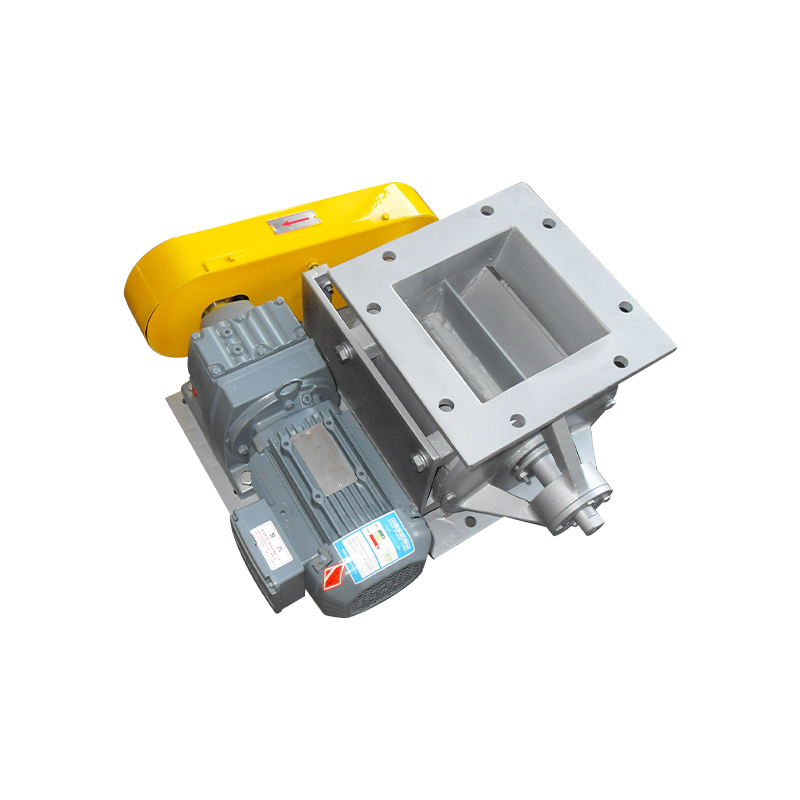
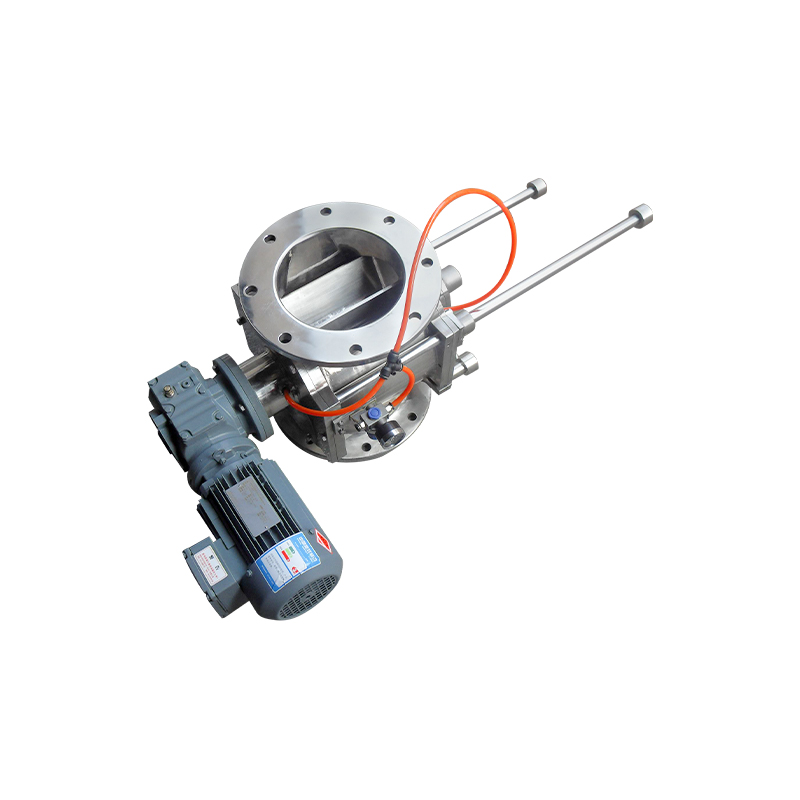
A rotary valve, also called a rotary airlock, controls the flow of bulk solids or powder between two points in a process line while maintaining a pressure or vacuum seal between them. A rotor with several pockets turns inside a close-fitting housing, and material falls into each pocket at the inlet, gets carried around, and discharges at the outlet. This simple mechanism works reliably for free-flowing materials, but many powders and granular products are abrasive, sticky, or contain oversized particles that can wedge between the rotor tip and the housing wall. An anti jamming rotary valve is engineered specifically to keep operating through these difficult conditions, using design features that reduce the chance of a foreign object or compacted material locking the rotor in place. For plants running continuous production, avoiding unplanned downtime from a jammed valve is often the deciding factor in equipment selection.
Understanding why standard rotary valves jam helps explain what an anti jamming design actually solves. In most cases, jamming falls into one of a few recurring categories rather than being a random failure.
Manufacturers address these failure modes through a combination of mechanical clearance management, material selection, and upstream flow control rather than a single fix.
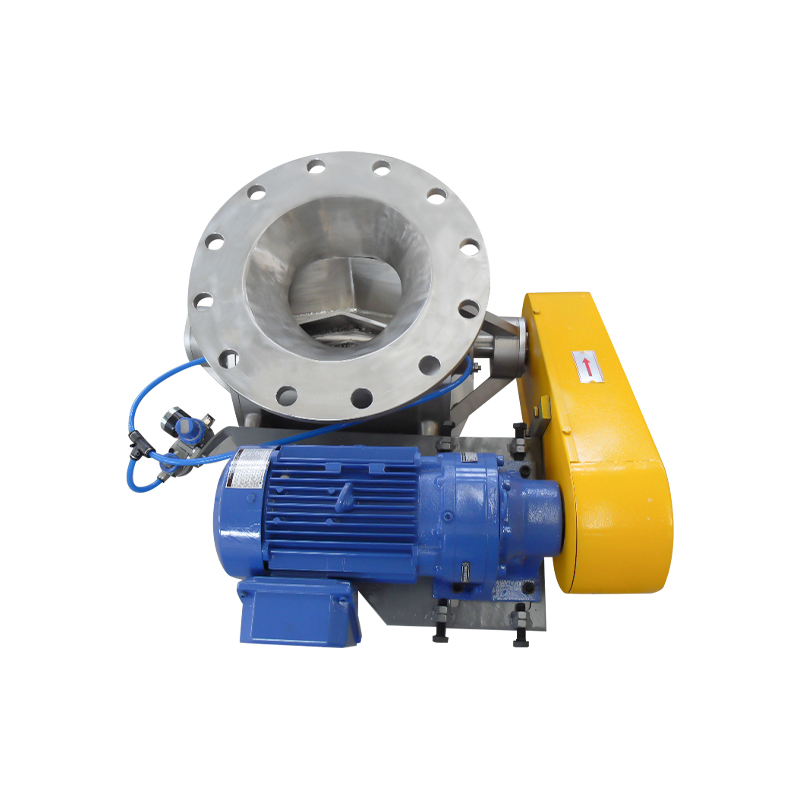
Many anti jamming valves use an adjustable or self-compensating rotor tip clearance rather than a fixed gap. This allows the clearance to be tuned during commissioning based on the specific material being handled, and in some designs the rotor tip is spring-loaded or uses a flexible blade material that can deflect briefly around an oversized particle instead of trapping it against the housing wall.
Hardened or wear-resistant coatings on the rotor tips and housing bore reduce the rate at which surfaces degrade from abrasive powders, which in turn helps maintain consistent clearance over the valve's service life. For sticky materials, some manufacturers apply non-stick coatings such as PTFE or specialized ceramic linings inside the rotor pockets to reduce material adhesion and buildup.
Jamming often starts upstream of the valve itself, when material bridges or ratholes in a hopper and then releases in an uneven surge. Pairing a rotary valve with a bridge breaker or agitator in the hopper above it, along with a level sensor to regulate feed rate, keeps material flowing into the valve consistently and reduces the chance of oversized clumps reaching the rotor.
Anti jamming rotary valves are specified across a range of industries wherever powder handling reliability is critical to continuous operation.
| Industry | Typical Material | Key Requirement |
| Pharmaceutical | Active ingredients, excipients | Hygienic design, minimal product retention |
| Food Processing | Flour, sugar, spice blends | Easy cleaning, resistance to sticky buildup |
| Plastics and Resins | Pellets, regrind, additives | Resistance to oversized particles and fines |
| Mining and Minerals | Ore fines, abrasive powders | Wear-resistant materials, heavy-duty construction |
Choosing an appropriate valve starts with a clear understanding of the material characteristics and process conditions rather than picking a model based on flange size alone. Buyers should gather the following information before contacting a supplier:
Even a well-designed anti jamming valve requires routine maintenance to keep performing as intended. Operators should periodically check rotor tip clearance and adjust or replace worn tips before wear becomes severe enough to cause contact with the housing. Regular inspection for buildup inside the rotor pockets, especially after processing sticky or moisture-sensitive materials, helps catch early signs of reduced clearance before a jam occurs. It is also worth reviewing upstream conditions periodically, since changes in raw material sourcing can introduce different particle size distributions or moisture levels that the original valve setup did not account for. Keeping a maintenance log that tracks clearance measurements and any jamming incidents over time makes it easier to identify whether adjustments to the valve, the upstream hopper design, or the material specification are needed to maintain reliable long-term operation.