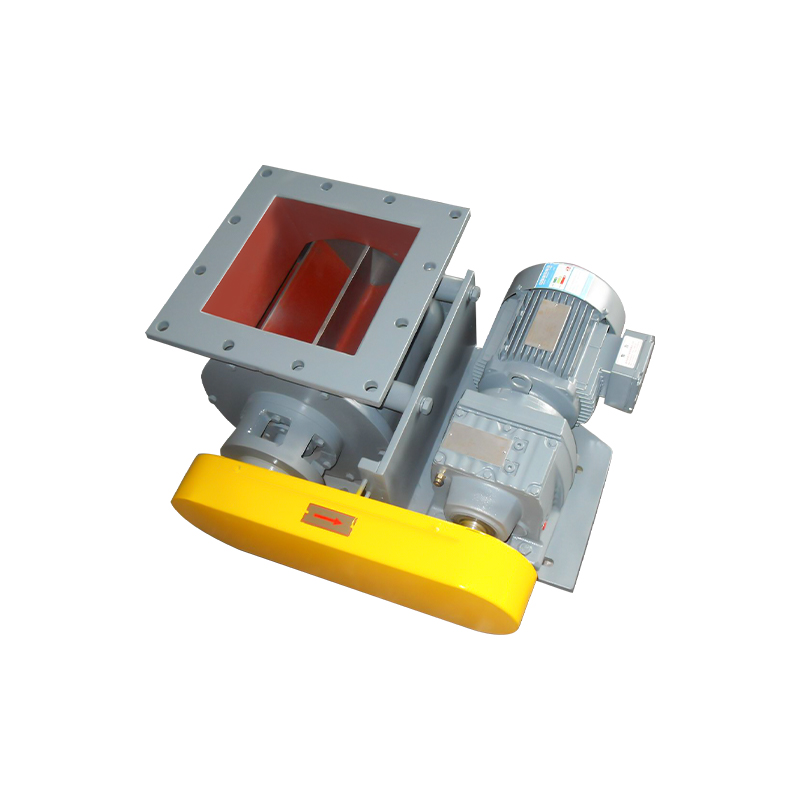


 English
 عربى
عربى
Home / News / Industry News / How Do High Pressure Rotary Valves Handle Demanding Industrial Material Transfer?
Industry News
Content
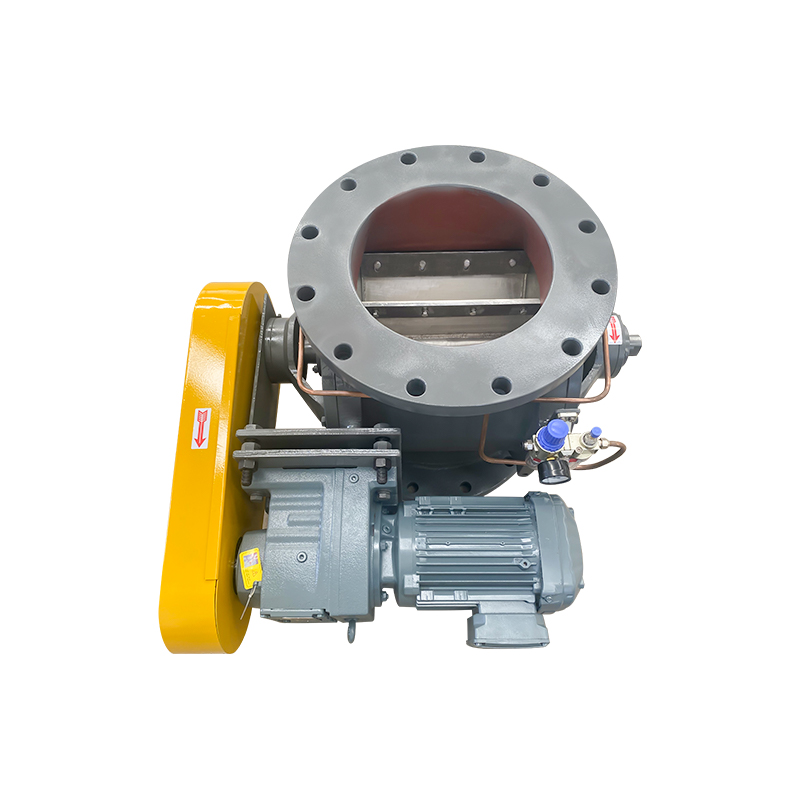
A high pressure rotary valve is a mechanical device used to regulate the flow of bulk materials, such as powders, granules, or pellets, between two zones operating at significantly different pressures, while minimizing air or gas leakage between them. Unlike standard rotary airlock valves designed for low-pressure environments, high pressure variants are engineered with reinforced housings, tighter rotor-to-housing clearances, and specialized sealing systems capable of withstanding pressure differentials that would cause conventional valves to fail or leak excessively.
These valves are commonly installed at critical transition points in pneumatic conveying systems, such as the outlet of a pressurized silo or the inlet of a high-pressure feeding system, where maintaining a consistent material feed rate while preventing pressure loss is essential for overall system efficiency.
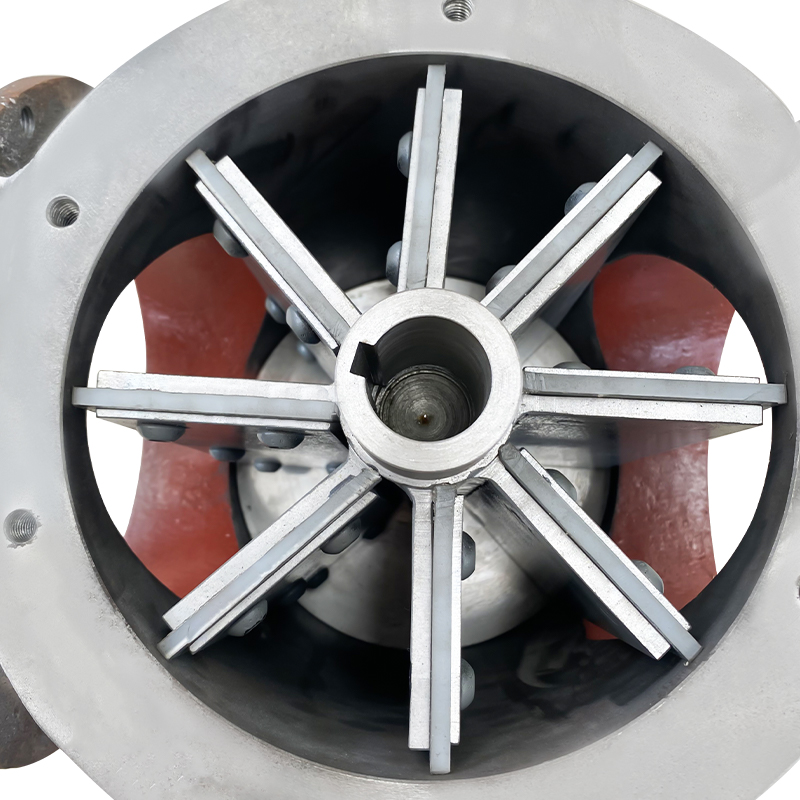
The fundamental operating principle of a rotary valve involves a rotor with multiple pockets or vanes that rotates within a closely fitted housing. As the rotor turns, material falls into each pocket at the inlet, gets carried through the housing, and is discharged at the outlet, creating a continuous, metered flow of material while the rotor's tight clearances limit the passage of air or gas between the pressurized and non-pressurized sides.
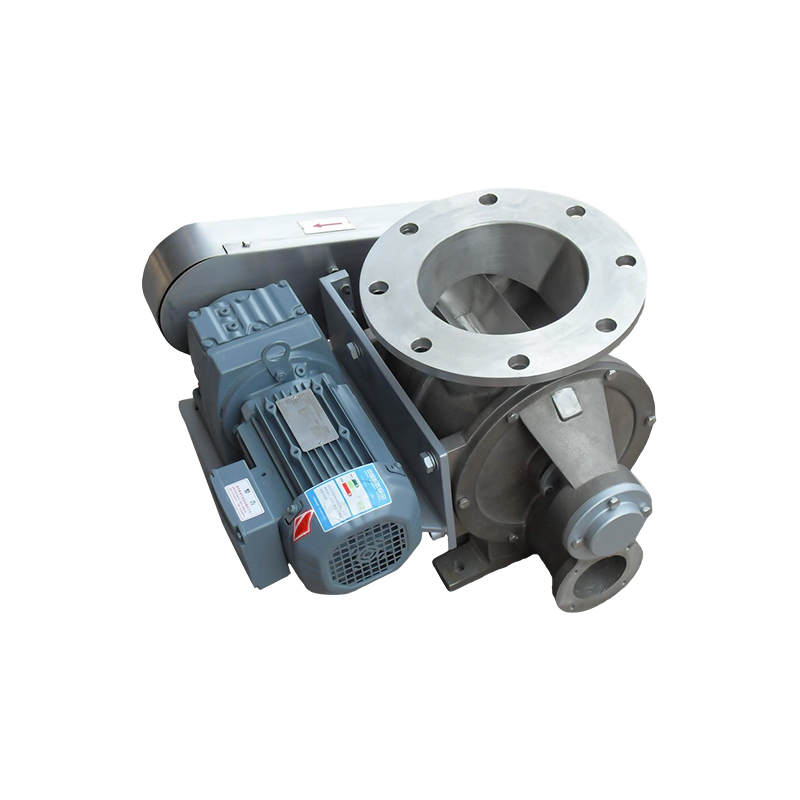
In high pressure applications, the rotor and housing are manufactured with extremely tight tolerances to minimize the gap through which pressurized air can escape. Some designs incorporate adjustable rotor tips or replaceable wear strips, allowing operators to fine-tune clearances over time as components experience normal wear from material contact.
Beyond mechanical clearance control, many high pressure rotary valves incorporate additional sealing mechanisms, such as shaft seals, purge air systems, or labyrinth seals, to further reduce leakage. Purge air systems, in particular, introduce a small counter-flow of air at the shaft seal location, actively preventing material or pressurized gas from escaping along the rotor shaft.
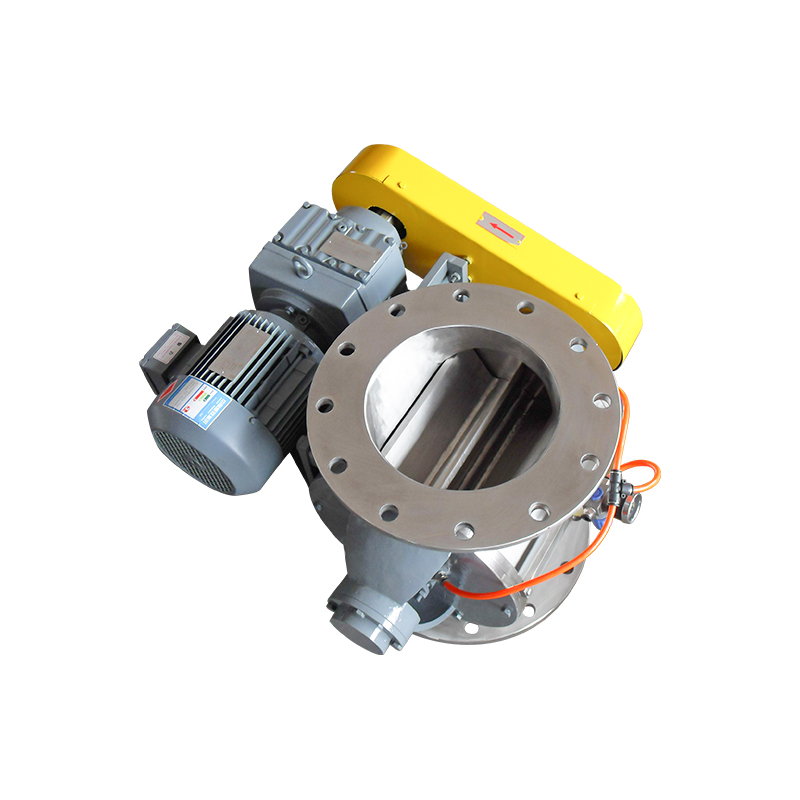
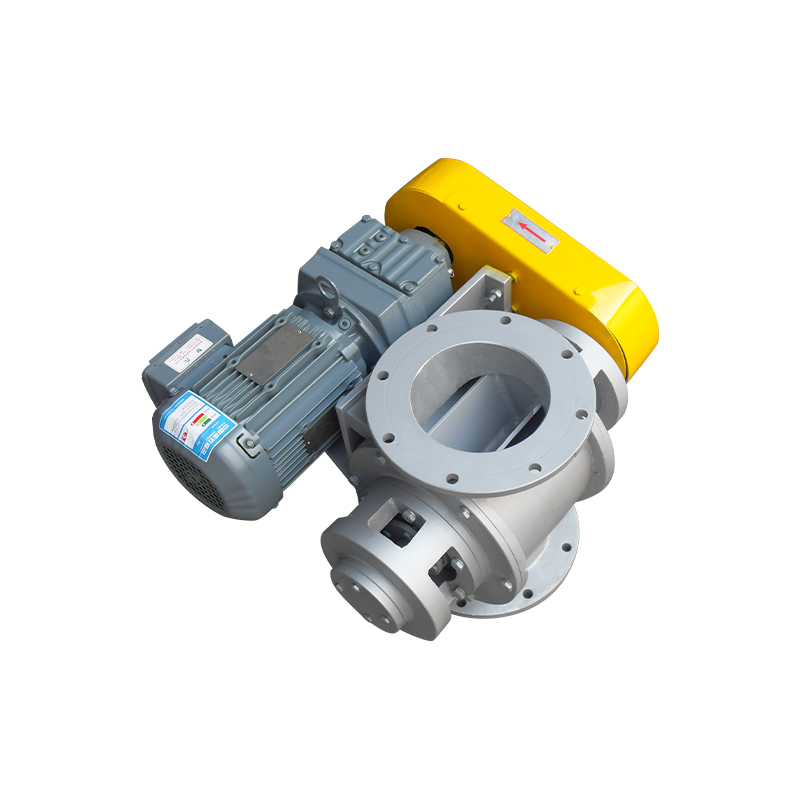
Rotary valves are typically driven by an electric motor connected through a gear reducer, allowing precise control over rotor speed. In high pressure applications, the drive system must be sized appropriately to overcome the additional resistance created by tighter clearances and higher material loading forces within the valve housing.
Several engineering features distinguish high pressure rotary valves from standard low-pressure models, each contributing to improved performance under demanding operating conditions.
| Feature | Function |
| Reinforced Housing | Withstands higher structural pressure loads |
| Tight Rotor Clearance | Minimizes air leakage between pressure zones |
| Purge Air Seals | Actively blocks leakage along the shaft |
| Wear-Resistant Rotor Coating | Extends service life under abrasive material flow |
Some high pressure valves also feature segmented rotor designs, which allow for easier maintenance and component replacement without requiring full disassembly of the valve housing, reducing downtime during routine servicing.
High pressure rotary valves are used in a variety of industrial processes where bulk materials must move between pressure zones without significant air loss. Typical applications include:
Choosing the appropriate high pressure rotary valve requires careful evaluation of both the material characteristics being handled and the specific pressure conditions of the system. Buyers should first determine the maximum pressure differential the valve will need to withstand, since this directly influences the required housing strength and sealing system design.
Material abrasiveness is another important consideration, as highly abrasive materials can accelerate rotor wear, potentially widening clearances over time and increasing leakage rates. In these cases, selecting a valve with hardened or coated rotor surfaces can significantly extend service intervals between maintenance cycles.
Routine maintenance is essential for preserving the sealing performance and operational efficiency of high pressure rotary valves. Recommended practices include the following:
When sourcing high pressure rotary valves, buyers should request detailed performance data specific to their operating pressure range and material type, since generic specifications may not accurately reflect real-world leakage rates under actual process conditions. It is also advisable to confirm the availability of replacement rotor and seal components, particularly for valves operating in continuous, high-cycle industrial environments where minimizing downtime is a priority.