

 English
 عربى
عربى
Home / News / Industry News / How Do Anti-Jamming Rotary Valves Prevent Costly Production Stoppages?
Industry News
Content
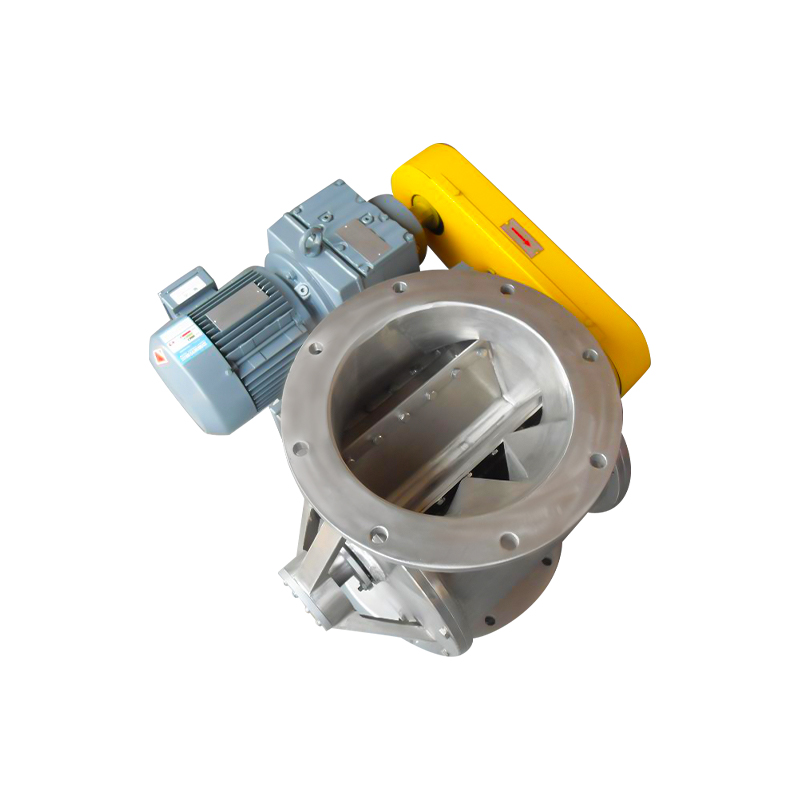
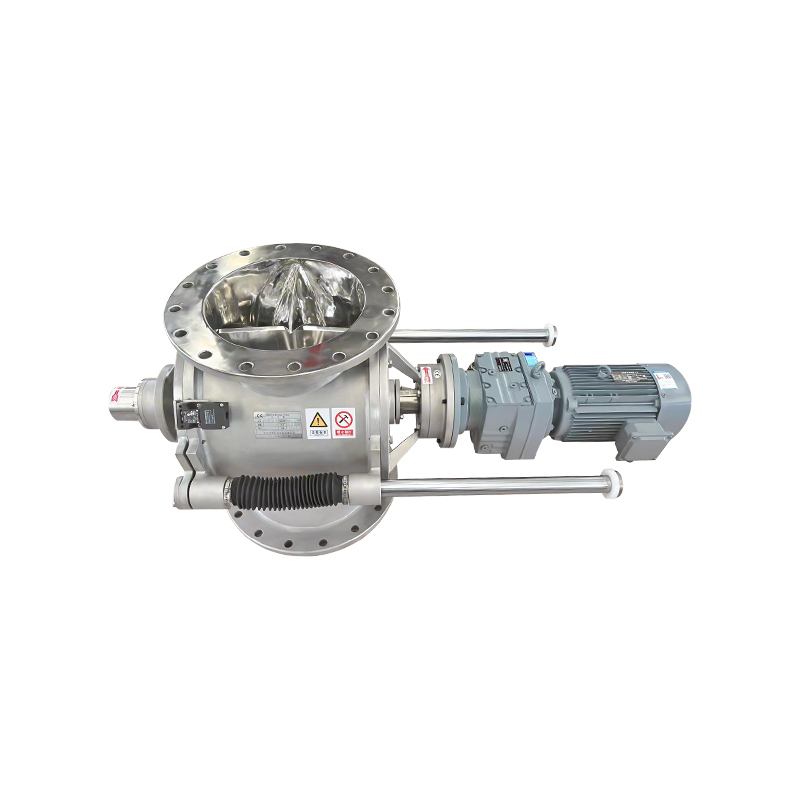
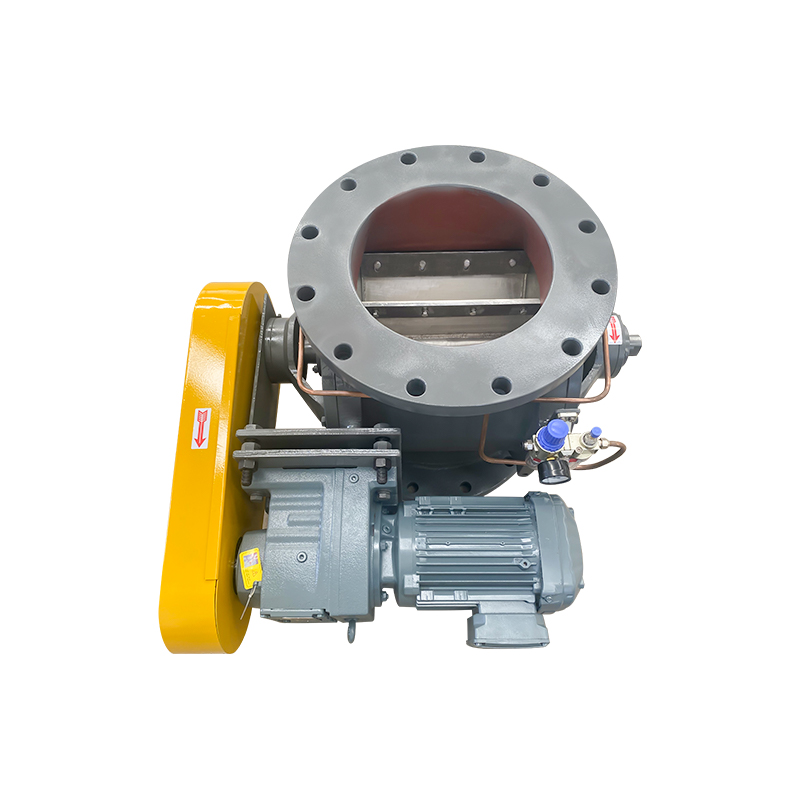
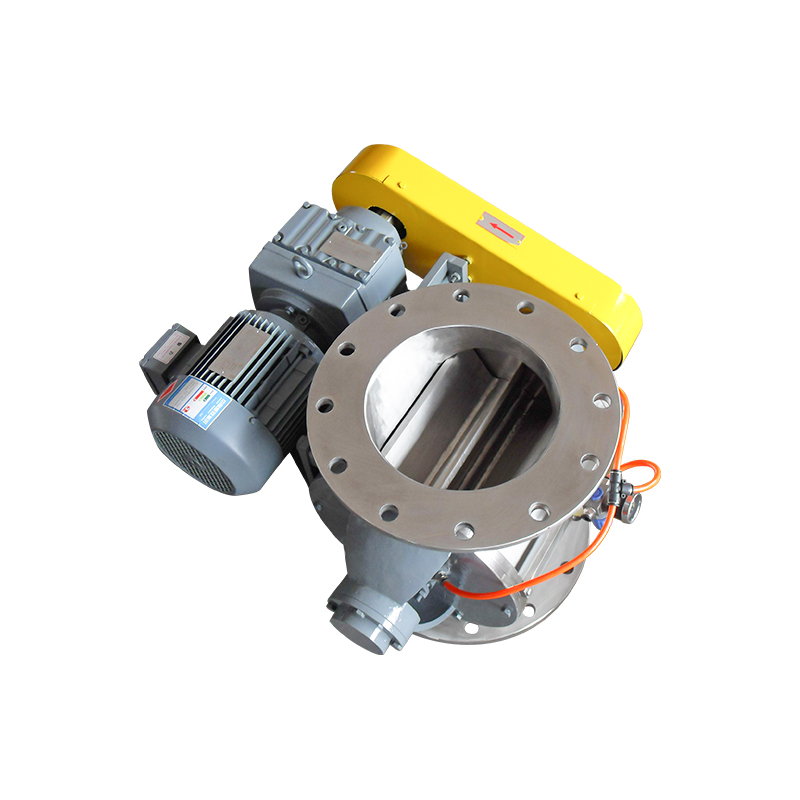
A standard rotary valve uses a rotor with a fixed number of pockets that rotate inside a closely fitted housing, metering bulk material from a hopper or silo into a downstream pneumatic conveying line or process vessel. Jamming typically occurs when an oversized particle, a foreign object, or a clump of compacted material becomes wedged between the rotor blade and the housing wall, which either stalls the rotor entirely or causes the drive motor to overload and trip on protection. Materials with inconsistent particle size, such as recycled plastics, wood chips, or agricultural byproducts, are especially prone to causing this kind of mechanical interference compared to more uniform powders.
Once a rotary valve jams, the consequences extend beyond a simple stoppage. Repeated jamming events accelerate wear on the rotor tips and housing bore, can damage the drive coupling or gearbox from sudden torque spikes, and often require manual clearing that introduces safety risk if the valve is not properly isolated and locked out first. This is why facilities handling variable or contaminated bulk materials increasingly specify anti-jamming rotary valves rather than standard fixed-clearance models.
Anti-jamming rotary valves are built with mechanical features that allow the rotor to absorb or pass an oversized object rather than locking up against it. These designs vary by manufacturer, but most rely on one or more of the following approaches to keep material flowing without forcing a full shutdown.
One of the most common anti-jamming designs uses rotor blades that are spring-loaded or hinged at their base rather than rigidly fixed to the rotor shaft. When an oversized particle or foreign object enters the pocket, the blade pivots backward against spring tension, allowing the obstruction to pass through the clearance gap before the blade snaps back into its normal position. This design prevents the sudden torque spike that would otherwise stall a fixed-blade rotor, and it allows the valve to continue operating without needing an immediate manual intervention every time an oversized object passes through.
Some anti-jamming valves use rotor tips with adjustable clearance settings, allowing operators to widen the gap between the rotor and housing slightly to accommodate materials with a known tendency toward larger or irregular particles, while still maintaining an acceptable air seal for the conveying system. More advanced models incorporate torque sensors or current monitoring on the drive motor, which detect the early signs of an obstruction and automatically reverse the rotor briefly to dislodge the object before it causes a full jam. This sensor-based approach is particularly useful in unmanned or remote installations where a jam left unaddressed could halt an entire production line until staff arrive on site.
Anti-jamming rotary valves are most valuable in industries where the bulk material being handled is inconsistent in size, prone to clumping, or likely to contain occasional foreign debris that a standard valve cannot tolerate. The following applications commonly justify the added cost of an anti-jamming design over a standard fixed-rotor valve.
| Feature | Standard Rotary Valve | Anti-Jamming Rotary Valve |
| Rotor Blade Type | Fixed | Spring-loaded or pivoting |
| Response to Oversized Particles | Stalls or jams | Absorbs and passes through |
| Monitoring | Manual observation | Torque or current sensors |
| Maintenance Frequency | Higher after jams | Lower, more predictable |
| Upfront Cost | Lower | Higher |
The materials used in the rotor and housing directly affect how well an anti-jamming valve resists wear from abrasive materials while still maintaining tight enough tolerances to control airflow and material leakage. Cast iron housings remain common for general industrial applications due to their cost-effectiveness and adequate wear resistance under moderate abrasion. For more abrasive materials such as sand, minerals, or recycled glass fragments, hardened steel or chrome-plated rotor surfaces extend service life significantly compared to standard cast components.
Stainless steel construction is typically specified for food, pharmaceutical, or chemical processing applications where corrosion resistance and cleanability matter more than raw abrasion resistance. Some manufacturers also offer replaceable wear strips or tip inserts on the rotor blades, which allow the most heavily worn contact points to be replaced without needing to rebuild or replace the entire rotor assembly, reducing long-term maintenance costs.
Proper installation of an anti-jamming rotary valve starts with confirming the valve's inlet and outlet flange sizes match the connecting ductwork or hopper outlet without requiring an awkward transition piece that could create flow restrictions. The valve should be mounted level and supported independently of the connecting ductwork, since relying on the ducting alone to support the valve's weight can introduce stress that affects rotor alignment over time.
Spring tension on pivoting rotor blades, where applicable, should be set according to the manufacturer's recommendation for the specific material being handled, since tension that is too loose allows excessive material leakage past the rotor while tension that is too tight reduces the valve's ability to absorb oversized particles effectively. Drive motor sizing should also account for the torque spikes that occur even during normal anti-jamming operation, since undersized motors can trip on overload more frequently than expected if this factor is overlooked during initial specification.
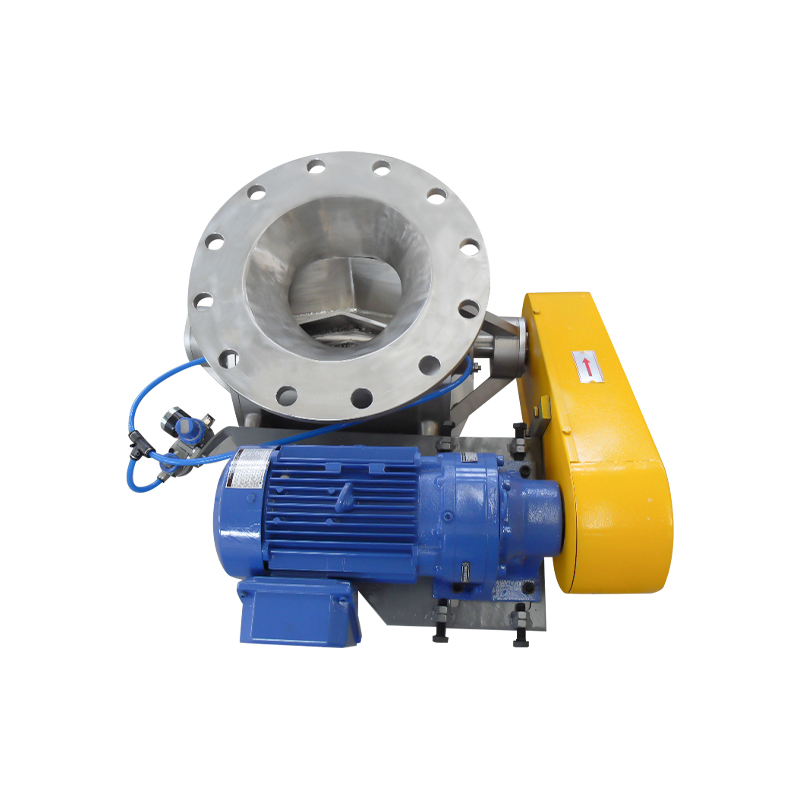
Even anti-jamming valves benefit from a regular maintenance schedule that checks rotor tip wear, spring tension consistency, and housing bore condition. Operators should inspect rotor tips for uneven wear patterns, which can indicate either material buildup on one side of the housing or a misaligned rotor shaft that needs correcting before it leads to more serious mechanical damage. Spring mechanisms on pivoting blade designs should be checked periodically for fatigue or weakening, since a spring that has lost tension over time reduces the valve's ability to properly seal material while passing obstructions.
Keeping a maintenance log that records jam frequency, motor current readings, and any unusual noise or vibration helps identify whether a particular material batch or upstream process change is contributing to increased jamming events. This data is also useful when working with the valve manufacturer to adjust clearance settings or recommend a different rotor configuration suited to a specific material's characteristics.