

 English
 عربى
عربى
What Makes Anti Jamming Rotary Valves the Reliable Solution for Difficult Bulk Material Handling?
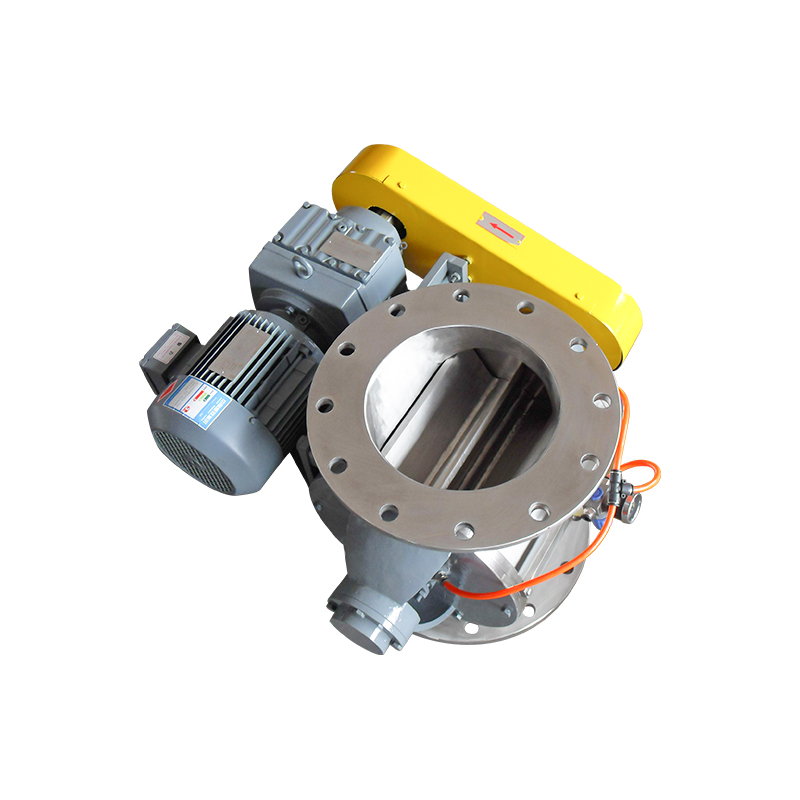
In bulk solids processing, few equipment failures create more operational disruption than a jammed rotary valve. When a rotor seizes mid-production, the entire conveying or metering line comes to a halt, and clearing a mechanical jam in a confined valve housing often requires partial dismantling and manual extraction of the lodged material. Anti jamming rotary valves were developed specifically to eliminate this failure mode, using engineered design features that allow the rotor to reverse, flex, or release trapped particles rather than locking under their compressive force. For industries handling abrasive, fibrous, oversized, or irregularly shaped bulk materials, this capability is not an optional upgrade — it is a fundamental requirement for maintaining production continuity.
Why Standard Rotary Valves Jam and What It Costs
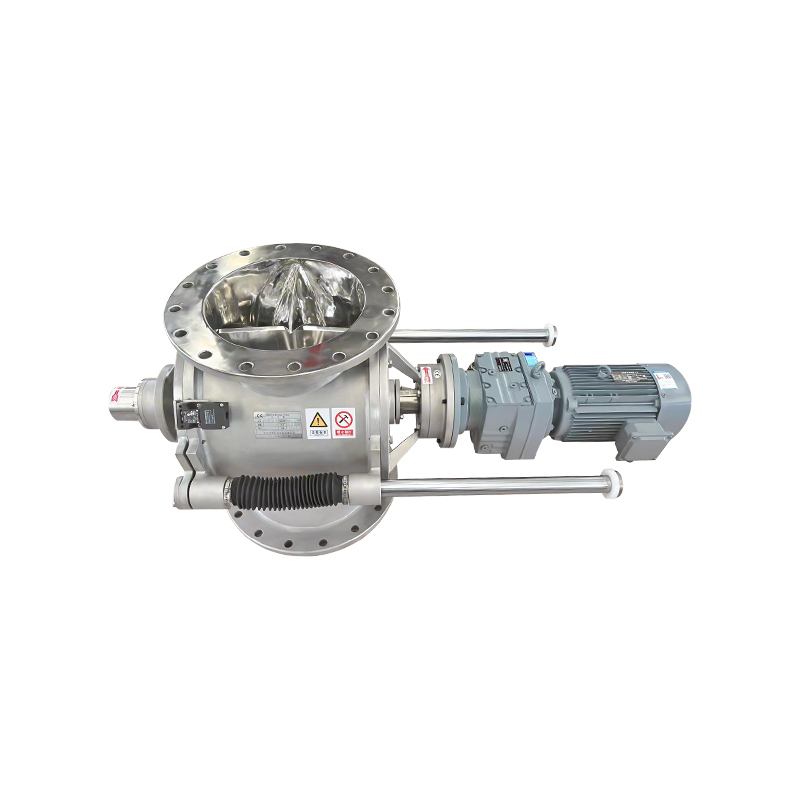
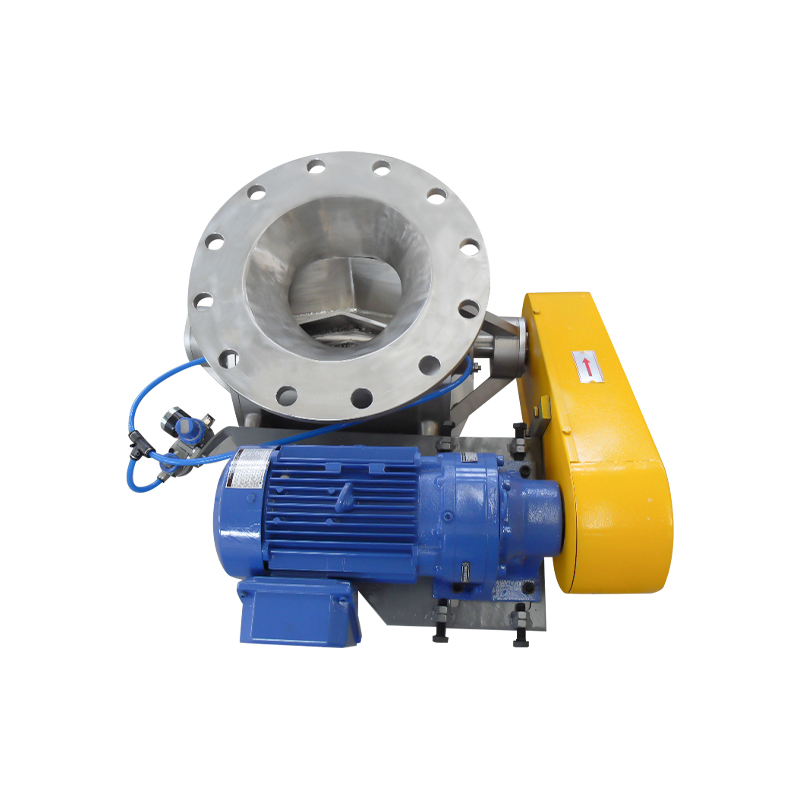
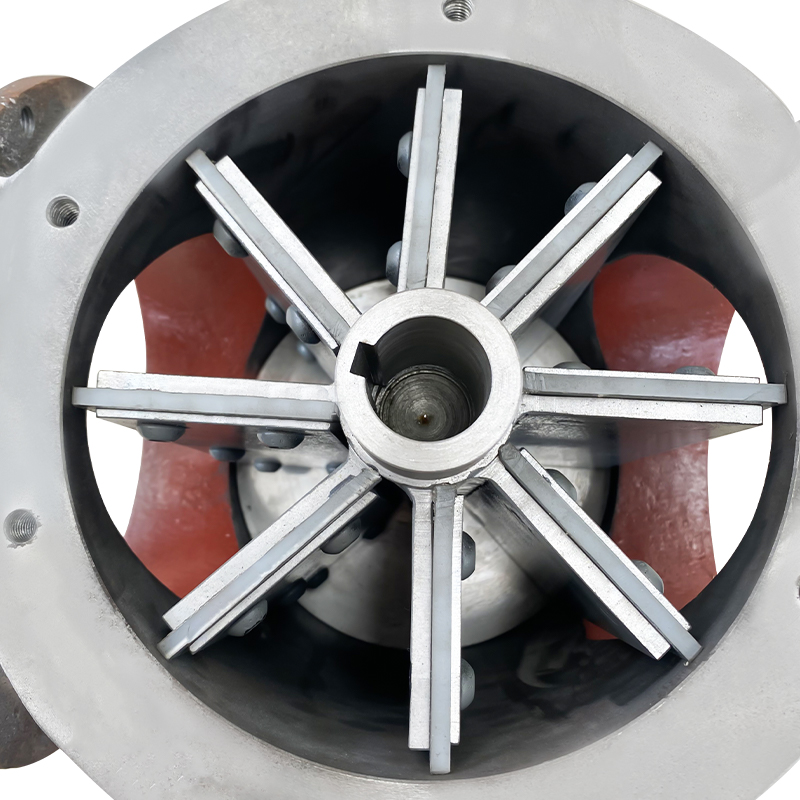
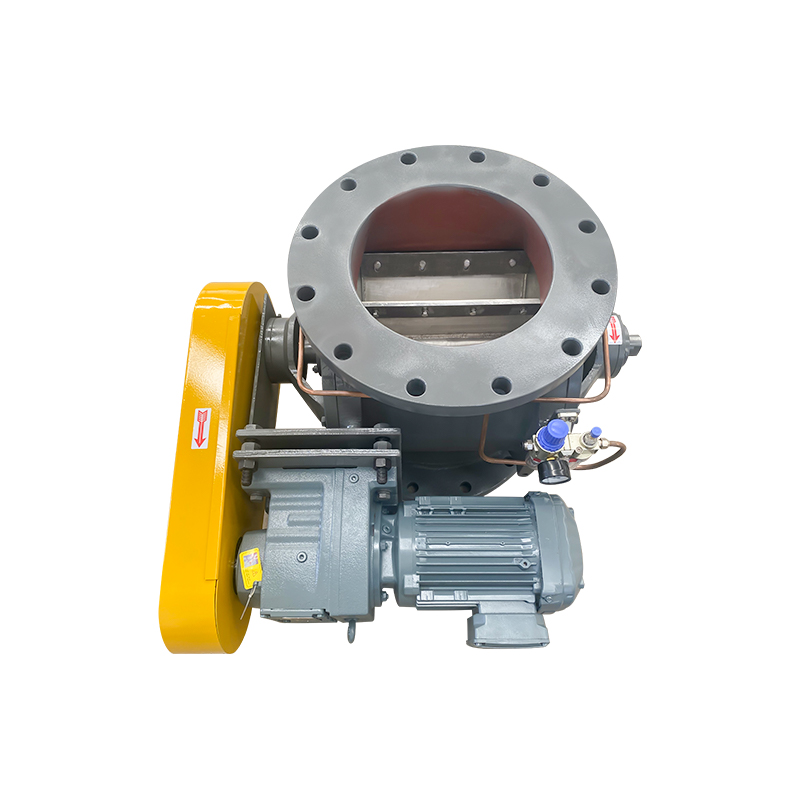
A conventional rotary valve — also called an airlock or rotary feeder — operates by rotating a multi-vane rotor inside a close-tolerance housing, trapping discrete pockets of material in each rotor cell and discharging them at the outlet as the rotor turns. The gap between the rotor tip and the housing bore is kept deliberately small to minimize air leakage across the valve pressure differential. This tight clearance is precisely what creates the jamming risk: any particle that is harder, larger, or more rigid than the clearance dimension can become wedged between the rotor tip and the housing wall as the rotor advances.
The energy consequences of a jam event depend on the drive system. In a direct-drive valve with a fixed-speed motor, the rotor stalls almost instantaneously, often tripping the motor overload protection and requiring manual intervention before the line can restart. In high-volume conveying systems, even a ten-minute jam clearance event translates into measurable lost production, and repeated jam events — which are the norm rather than the exception when handling problematic materials — accumulate into significant annual downtime costs. Bearing overload during stall events also accelerates mechanical wear, shortening valve service life and increasing maintenance spend.
Core Design Mechanisms Behind Anti Jamming Performance
Anti jamming rotary valves address the root cause of jamming through several distinct engineering approaches, sometimes used individually and sometimes combined in a single valve design. Understanding how each mechanism works helps engineers select the right configuration for their specific material and process conditions.
Automatic Rotor Reversal
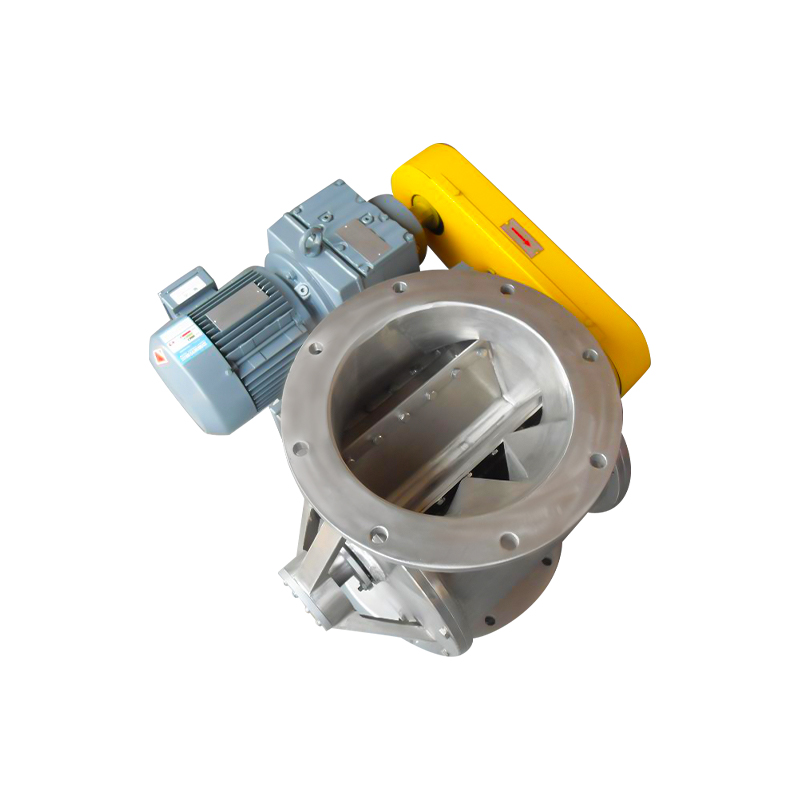
The most widely implemented anti jamming mechanism uses a torque-sensing drive system that detects the increase in motor current when a particle becomes trapped. Once the torque exceeds a preset threshold — typically set at 110 to 130 percent of normal operating torque — the drive automatically reverses the rotor direction for a short arc, dislodging the trapped particle and releasing it back into the inlet material stream. After the reversal cycle, the rotor returns to forward rotation and normal operation resumes without any manual intervention. The entire sequence typically completes within one to three seconds, creating a barely perceptible interruption in the material flow rate rather than a production halt.
Flexible or Compliant Rotor Tips
An alternative approach replaces the rigid rotor vane tips found in standard valves with flexible tip segments made from polyurethane, rubber, or composite elastomers. When a hard particle enters the clearance zone, the tip deflects slightly rather than transmitting the full compressive force to the housing bore and drive train. The particle passes through the tip-to-housing gap without stalling the rotor, and the tip returns to its original geometry once the obstruction clears. This design is particularly effective for materials with sporadic hard inclusions — stone fragments in grain streams, metal tramp in recycled material flows, or bone fragments in food processing applications — where the bulk material is otherwise well-behaved but occasional hard particles would cause repeated jamming with a rigid-tip valve.
Adjustable Rotor Clearance
Some anti jamming valve designs incorporate an adjustable clearance mechanism, allowing the gap between the rotor tip and housing bore to be increased to a dimension that permits oversized particles to pass through without lodging. This approach accepts a small increase in air leakage across the valve in exchange for jam-free operation, which is a practical trade-off in applications where maintaining a perfect airlock seal is secondary to maintaining continuous material flow. Adjustable clearance valves are commonly used in recycling operations, biomass processing, and wood chip conveying where particle size distribution is inherently variable and some oversize material will always be present.
Industries and Materials Where Anti Jamming Valves Are Essential
Anti jamming rotary valves are specified across a broad range of industries, united by the common challenge of handling bulk materials that do not conform to the uniform, free-flowing characteristics that standard rotary valves handle without difficulty. The table below identifies the key industries and the material characteristics that drive anti jamming valve selection in each:
| Industry | Typical Material | Jamming Risk Factor |
| Biomass & Energy | Wood chips, pellets, straw | Fibrous, oversized, irregular shape |
| Food Processing | Grains, seeds, spices, flour | Foreign body inclusions, agglomeration |
| Recycling & Waste | Shredded plastics, paper, RDF | Variable size, hard contaminants |
| Mining & Minerals | Crushed ore, sand, gravel | High abrasion, angular particles |
| Chemical Processing | Granules, crystals, powders | Agglomeration, bridging, caking |
| Agriculture | Corn, beans, husks, stems | Stem and husk entanglement |
In each of these contexts, the consequences of a standard valve jamming repeatedly go beyond immediate downtime. Repeated stall events accelerate rotor bearing wear, damage rotor tip seals, and in severe cases cause housing bore scoring that requires expensive machined repairs or complete valve replacement. Anti jamming valves amortize their higher initial purchase cost through substantially extended service intervals and reduced unplanned maintenance expenditure.
Key Specifications to Evaluate When Selecting an Anti Jamming Rotary Valve
Anti jamming rotary valves are available from multiple manufacturers in a range of sizes, materials of construction, and drive configurations. Evaluating the right valve for a specific application requires examining several technical parameters in combination rather than focusing on any single factor.
Rotor Cell Volume and Speed
The volumetric throughput of a rotary valve is determined by the rotor diameter, the number of vanes, the cell fill efficiency (typically 60 to 80 percent of theoretical cell volume in practice), and the rotational speed in revolutions per minute. For anti jamming valves with reversal capability, the drive must be sized to accelerate and decelerate the rotor through reversal cycles without overheating during sustained high-frequency jam events. Variable frequency drives (VFDs) are the preferred drive technology for anti jamming valves because they provide precise torque control, enable programmable reversal parameters, and allow speed adjustment to match process throughput requirements without mechanical changes.
Housing and Rotor Material Selection
The abrasive and corrosive properties of the handled material drive material selection for the housing bore and rotor components. For mildly abrasive materials, cast iron housings with chrome-plated rotor vane tips provide an economical solution with adequate wear life. For highly abrasive materials such as silica sand, fly ash, or crushed stone, hardened steel or ceramic-lined housings combined with carbide-tipped rotor vanes extend service life significantly. In food-grade and pharmaceutical applications, 304 or 316 stainless steel construction is standard, with electropolished interior surfaces to prevent material adhesion and support hygienic cleaning requirements.
Installation and Commissioning Considerations
The performance of an anti jamming rotary valve depends not only on the valve design itself but on how it is integrated into the wider conveying system. Several installation factors directly influence how effectively the anti jamming features operate in service:
- Inlet geometry: The inlet opening above the valve should be sized to match the rotor cell opening without creating a ledge or projection that allows material to bridge or arch before entering the rotor. Bridging upstream of the valve can cause surge loading into the rotor when the arch collapses, increasing jam frequency even with an anti jamming rotor design.
- Torque trip threshold setting: For reversal-type anti jamming valves, the torque threshold must be set high enough to avoid false triggering from normal material loading variations but low enough to reverse before the trapped particle causes drive train stress. Initial commissioning should include a calibration run with representative material to establish the correct threshold setting for the specific application.
- Reversal cycle parameters: The arc of reversal and the dwell time before resuming forward rotation should be configured based on the material's particle size and cohesive properties. Longer reversal arcs are needed for fibrous materials that can wrap around the rotor; shorter arcs are sufficient for granular materials where particle release is immediate.
- Pressure differential management: Anti jamming valves with increased tip clearance or flexible tips pass slightly more air across the valve compared to tight-tolerance standard valves. In pressure conveying systems, this air leakage must be accounted for in the system pressure balance calculation to ensure the conveying line maintains sufficient velocity to prevent settling in horizontal runs.
- Access provisions: Even with anti jamming features, periodic inspection of rotor tip condition, housing bore wear, and end plate seal integrity is necessary. Ensure the valve installation allows for end cover removal and rotor withdrawal without requiring adjacent pipework disconnection, as this significantly reduces the time and cost of scheduled maintenance interventions.
Comparing Anti Jamming Features Across Valve Configurations
When evaluating competing anti jamming valve products, it is useful to assess how each manufacturer's approach performs across the most common jamming scenarios. Reversal-based systems handle occasional oversized or hard particles most effectively, since the reversal arc physically ejects the trapped particle rather than relying on material deformation. Flexible-tip designs handle frequent, lower-severity contact better — they reduce wear from recurring tip-to-housing contact without the mechanical complexity of a reversal drive system. Adjustable clearance designs offer the most straightforward approach for applications with consistently oversized material but require periodic re-adjustment as rotor tips wear.
For the most demanding applications — high-volume processing of mixed-size, abrasive materials with sporadic hard inclusions — combining a reversal-capable VFD drive with hardened rotor tips and an oversized inlet housing provides the most comprehensive protection against the full range of jamming scenarios. The additional capital cost of this combined approach is typically recovered within the first year of operation through reduced downtime and extended maintenance intervals compared to standard valve installations in equivalent service conditions.