

 English
 عربى
عربى
Industry News
Content
- 1 What Anti Jamming Rotary Valves Are and Why They Matter
- 2 The Root Causes of Rotary Valve Jamming
- 3 Key Design Features of Anti Jamming Rotary Valves
- 4 Industries and Applications That Require Anti Jamming Rotary Valves
- 5 Material and Construction Specifications for Anti Jamming Rotary Valves
- 6 How to Select the Right Anti Jamming Rotary Valve for Your Process
What Anti Jamming Rotary Valves Are and Why They Matter
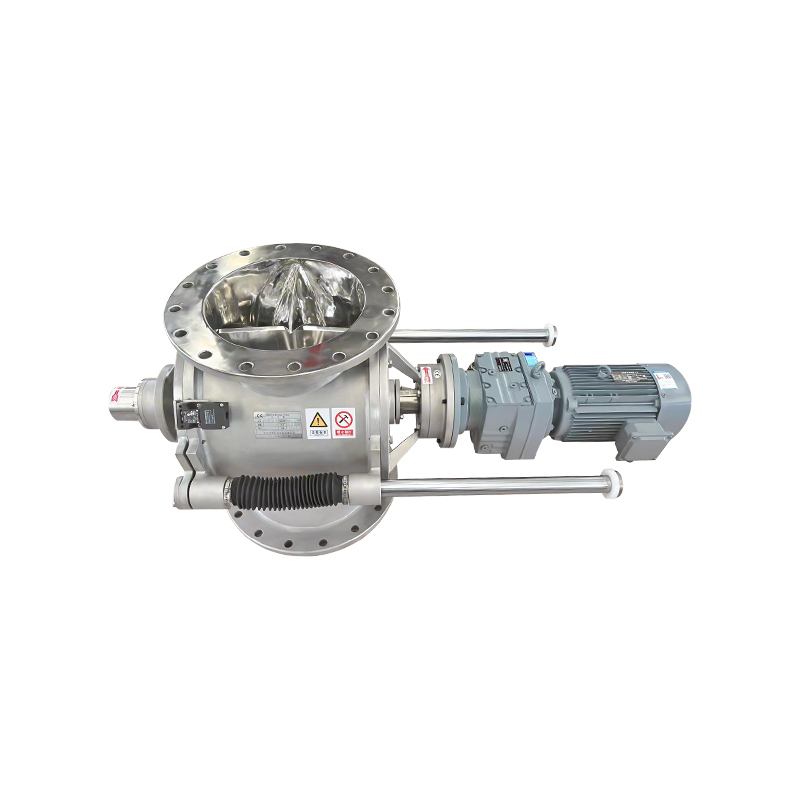
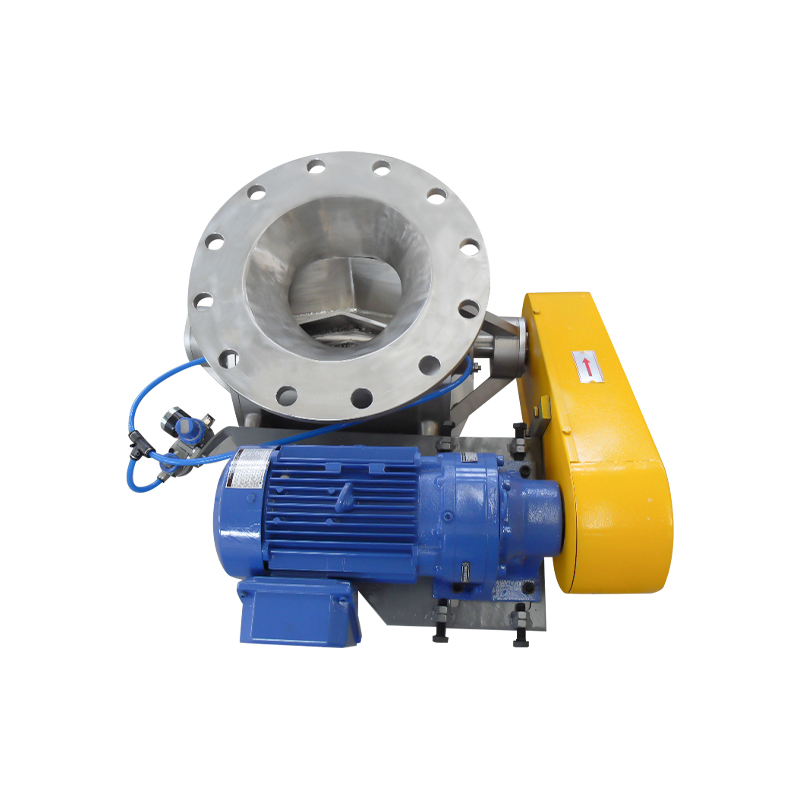
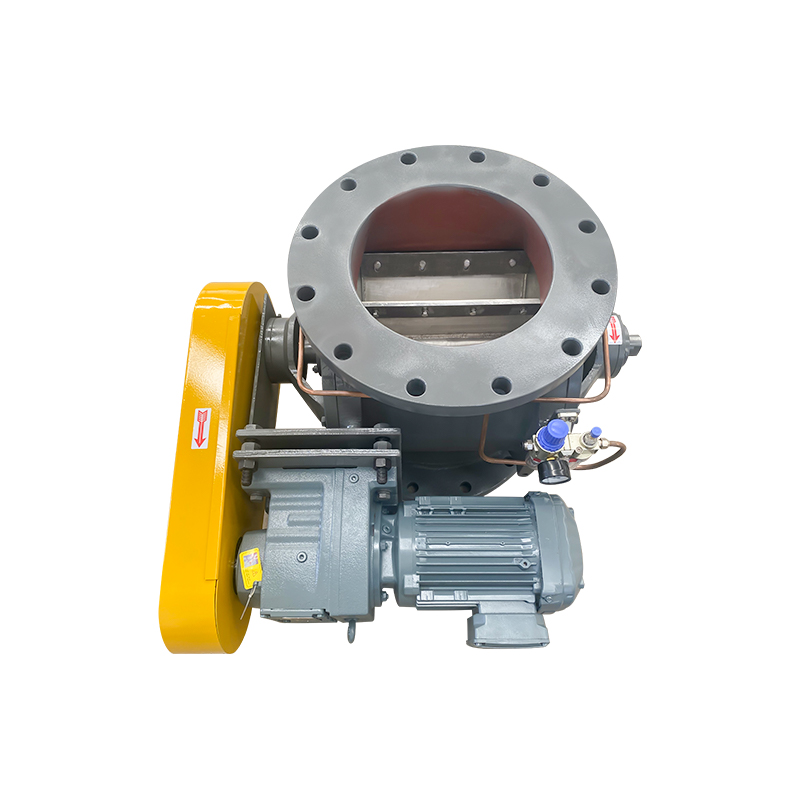
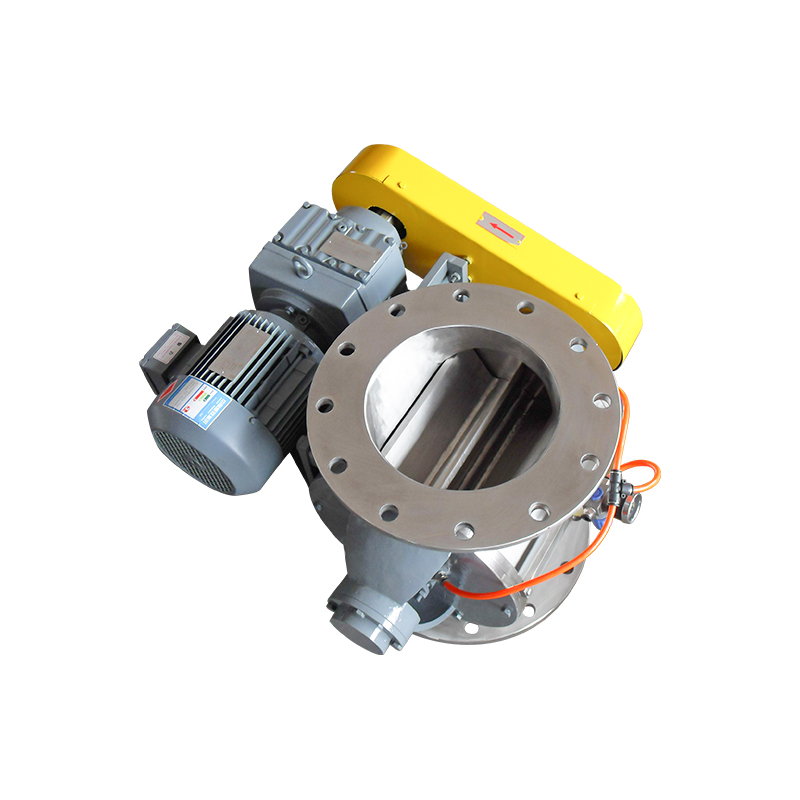
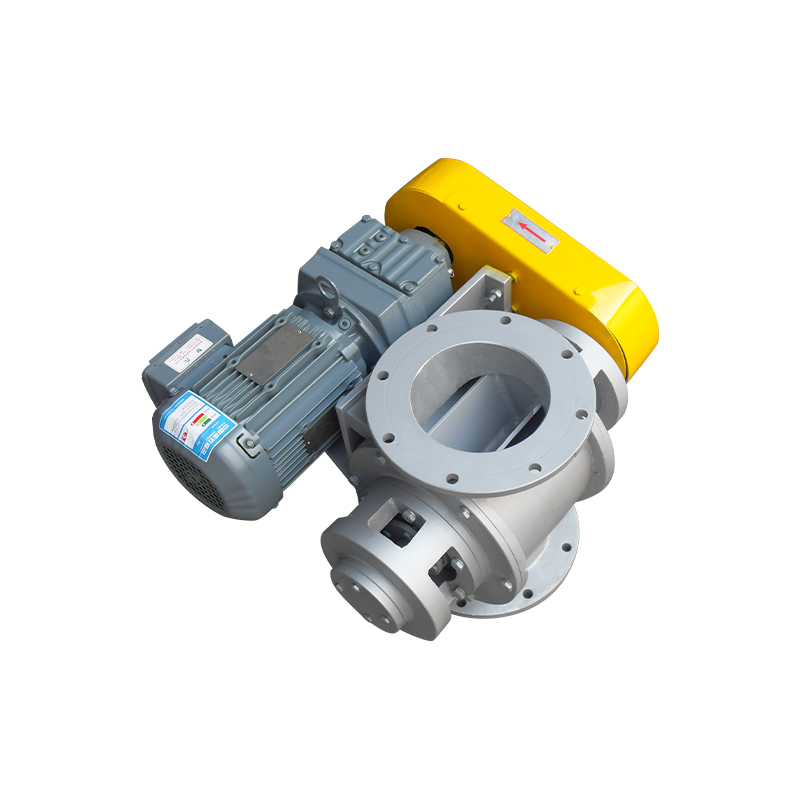
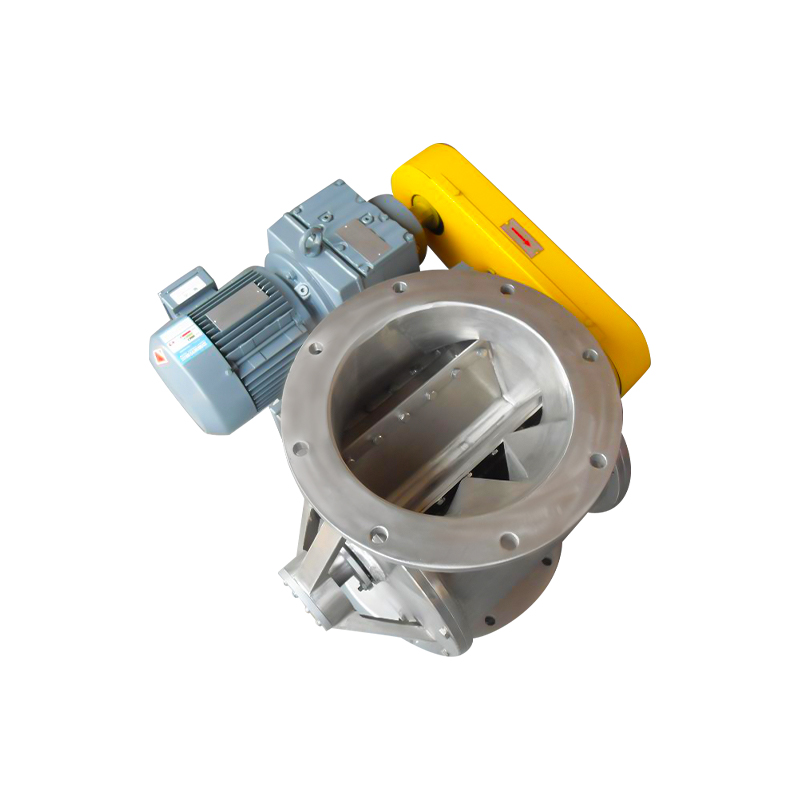
A rotary valve — also called a rotary airlock, rotary feeder, or cellular wheel valve — is a mechanical device that meters bulk solid materials through a pneumatic conveying or gravity-fed processing system while maintaining an air pressure differential across the valve body. In standard rotary valve design, a multi-bladed rotor turns inside a close-tolerance housing, and bulk material fills each rotor pocket in turn, is carried through the housing, and is discharged at the outlet. The challenge arises when the material being handled is cohesive, fibrous, friable, or irregularly shaped: particles can wedge between the rotor tip and the housing bore, causing the rotor to stall — a condition known as jamming.
Anti jamming rotary valves are specifically engineered variants that incorporate design features preventing particles from becoming trapped and locking the rotor. These features may include a modified rotor geometry, an enlarged or relieved housing bore at the inlet, skewed or helical rotor blades, spring-loaded rotor tips, or a combination of these elements. The result is a valve capable of handling challenging bulk materials — including those with large particle sizes, high moisture content, or irregular morphology — without the operational stoppages, motor overloads, and mechanical damage that plague conventional rotary valves in the same applications.
The operational and economic consequences of jamming in a rotary valve are significant. A jammed valve halts the entire upstream or downstream process, triggers motor protection trips, and — if the jam is severe — can shear rotor blades, damage the housing bore, or fracture brittle rotor tip seals. In continuous processing operations such as cement production, biomass power generation, food processing, and chemical manufacturing, unplanned stoppages cost far more than the capital investment in correctly specified anti jamming equipment. Selecting an anti jamming rotary valve from the outset eliminates this failure mode entirely.
The Root Causes of Rotary Valve Jamming
Understanding why jamming occurs is essential to appreciating how anti jamming rotary valve designs address the problem at its source. Jamming in conventional rotary valves typically results from one or more of the following material and operational characteristics:
- Oversize particles relative to rotor pocket depth: When a particle's largest dimension approaches or exceeds the radial depth of the rotor pocket, it cannot seat fully within the pocket. As the rotor turns, the protruding particle is forced against the housing bore and wedged between the rotor tip and the housing, creating a mechanical lock that stalls the rotor.
- Fibrous or stringy materials: Materials such as wood chips, straw, biomass pellets, recycled paper fibres, and certain food ingredients tend to wrap around rotor shafts, bridge across pocket openings, or accumulate progressively between rotor blades and end plates until rotation becomes impossible.
- Cohesive or sticky bulk solids: High-moisture materials, products with significant fat or sugar content, and hygroscopic powders can compact within rotor pockets and adhere to internal surfaces. The compacted plug then resists discharge and eventually prevents rotor movement.
- Particle bridging at the inlet: When the valve inlet opening is only marginally larger than the maximum particle size, particles can form arches or bridges across the inlet opening, preventing material from entering the pockets uniformly and causing uneven loading that generates side forces on the rotor.
- Incorrect rotor tip clearance: Standard rotary valves are manufactured with very tight tip-to-bore clearances — typically 0.1–0.25 mm — to minimise air leakage. While this is appropriate for fine powders, it leaves no tolerance for particles that migrate into the clearance gap during normal operation with coarser or irregular materials.
Each of these causes demands a different engineering response, which is why anti jamming rotary valves are not a single product but a family of design solutions, each optimised for specific jamming mechanisms and material types.
Key Design Features of Anti Jamming Rotary Valves
Anti jamming rotary valve designs have evolved significantly over the past three decades, driven by the expansion of biomass energy, recycling, and specialty chemical processing sectors that routinely handle problematic bulk materials. The most effective and widely adopted design features are described below.
Inlet Relief Zone
The single most impactful anti jamming feature is the incorporation of an inlet relief zone — a machined recess or widened bore section in the upper part of the housing, directly beneath the material inlet. In this zone, the clearance between the rotor tip and the housing is deliberately increased to several millimetres, compared to the tight running clearance maintained in the remainder of the housing. This enlarged clearance allows oversize particles or fibres that have not yet fully entered a rotor pocket to pass the rotor tip without wedging. Once past the inlet zone, the particle is fully enclosed within the pocket and the housing bore returns to normal clearance for the remainder of the rotation. The inlet relief zone alone resolves the majority of particle-size-related jamming incidents in coarse material applications.
Helical or Skewed Rotor Blades
Conventional rotary valves use straight radial blades aligned parallel to the rotor shaft. In an anti jamming design, the blades are often manufactured with a helical twist or skew angle — typically 30° to 45° — along the rotor length. This geometry means that at any given moment, each blade makes contact with material over a portion of its length rather than along the full blade face simultaneously. The helical blade effectively slices through cohesive or fibrous material rather than pushing against it as a flat face, dramatically reducing the torque spikes that trigger motor protection trips and preventing the progressive material build-up that leads to jamming in fibrous product applications.
Spring-Loaded or Adjustable Rotor Tips
Some anti jamming rotary valve designs incorporate spring-loaded rotor tip inserts — typically UHMWPE, nylon, or brass — that are radially preloaded against the housing bore under controlled spring force. If a particle becomes lodged between the tip and bore, the tip deflects radially inward against the spring force, allowing the particle to pass rather than stalling the rotor. After the obstruction clears, the spring returns the tip to its operating position. This feature is particularly effective for materials with occasional oversize pieces or foreign matter (such as stones in agricultural products or metal fragments in recycled streams) that cannot be reliably excluded upstream.
Open-End Rotor Design
For highly fibrous materials — wood chips, straw, bagasse, shredded waste — a conventional closed-end rotor causes fibres to accumulate between the rotor face and the housing end plate until the valve seizes. The open-end rotor design eliminates the end plates entirely, or recesses them significantly from the rotor blade tips, removing the surfaces on which fibre accumulation initiates. Combined with helical blades, the open-end configuration allows fibrous materials to pass through the valve continuously without wrapping around the shaft or packing into dead zones.
Reduced Blade Count
Standard rotary valves typically use 8 to 12 rotor blades to minimise air leakage and provide a smooth volumetric feed rate. Anti jamming variants for coarse or fibrous materials are often designed with a reduced blade count of 4 to 6, creating deeper and wider pockets that accommodate larger particle sizes without bridging. The trade-off — slightly higher air leakage per revolution — is acceptable in applications where jamming prevention takes priority over tight airlock performance, particularly in gravity-discharge or low-differential-pressure conveying systems.
Industries and Applications That Require Anti Jamming Rotary Valves
Anti jamming rotary valves are not a niche product — they are the correct specification across a broad range of processing industries wherever bulk material characteristics fall outside the capability of standard rotary valve designs. The following sectors account for the majority of anti jamming valve installations:
| Industry | Typical Material | Primary Jamming Risk | Recommended Feature |
|---|---|---|---|
| Biomass & Renewable Energy | Wood chips, pellets, straw | Fibrous wrapping, oversize particles | Open-end rotor + helical blades |
| Recycling & Waste Processing | Shredded plastics, paper, RDF | Irregular size, fibres, foreign matter | Inlet relief + spring-loaded tips |
| Food Processing | Grains, seeds, dried fruits, spices | Cohesion, moisture, fragile particles | Inlet relief + reduced blade count |
| Cement & Building Materials | Clinker, aggregates, gypsum | Abrasive oversize particles | Inlet relief + hardened rotor tips |
| Chemical Processing | Crystals, granules, agglomerates | Bridging, compaction, fragility | Helical blades + adjustable clearance |
| Agriculture & Feed | Corn cobs, husks, animal feed pellets | Oversize, fibrous husks | Open-end rotor + inlet relief |
Material and Construction Specifications for Anti Jamming Rotary Valves
The materials used to construct an anti jamming rotary valve must address both the mechanical stresses generated by the anti jamming design features and the chemical and abrasive demands of the bulk material being handled. Several construction specifications are particularly important:
- Housing material: Cast iron is standard for general-purpose applications due to its machinability and cost. Ductile iron or fabricated mild steel is used where impact resistance is needed for heavy or abrasive materials. Stainless steel (304 or 316L) is specified for food-grade, pharmaceutical, and corrosive chemical applications, with surface finishes to Ra 0.8 µm or better where hygienic standards apply.
- Rotor material and surface treatment: Rotors for abrasive duty are commonly manufactured from Ni-Hard cast iron or fitted with tungsten carbide-coated blade tips, providing wear life several times that of mild steel in high-silica or clinker-handling applications. For food processing, austenitic stainless steel rotors with polished surfaces prevent product contamination and comply with FDA and EHEDG requirements.
- Rotor tip seals: Standard tip seals are rubber or UHMWPE strips retained in rotor blade slots. Anti jamming valves handling abrasive materials often specify ceramic-reinforced polymer tips or hardened metal tips for extended service intervals. Spring-loaded tip designs use pre-compressed polymer inserts whose spring rate is matched to the expected particle impact force for the application.
- Drive system: Because anti jamming rotary valves are designed for challenging materials, the drive system must be capable of sustaining the higher peak torques generated during particle ingestion. Direct-coupled helical gear reducers with a service factor of 2.0 or above are standard. Variable frequency drives (VFDs) are increasingly specified to allow rotor speed optimisation and to provide soft-start capability that reduces mechanical shock during valve start-up under load.
How to Select the Right Anti Jamming Rotary Valve for Your Process
Selecting the correct anti jamming rotary valve requires a systematic evaluation of the bulk material properties, process conditions, and system requirements. Working through the following parameters in sequence ensures the specification addresses all relevant performance demands:
- Maximum particle size and particle size distribution: Identify the 95th percentile particle size — the largest particle dimension that will appear in normal operation, excluding extraordinary foreign matter. The rotor pocket depth must be at least 2.5 times this dimension to prevent bridging, and the inlet relief zone must accommodate the same maximum size without interference.
- Bulk density and required volumetric throughput: Calculate the required valve displacement (litres per hour) from the mass flow rate and bulk density of the material. Select a valve size where the required throughput falls within 50–80% of the valve's maximum theoretical capacity at the selected rotor speed, leaving headroom for density variation and feed surges.
- Differential pressure across the valve: Determine the pressure differential the valve must seal against — the difference between the conveying line pressure and the atmospheric or vessel pressure above the valve inlet. Higher differential pressures require tighter rotor tip clearances, which may conflict with anti jamming requirements. This trade-off must be explicitly addressed in the design specification, sometimes requiring a two-stage airlock arrangement.
- Material abrasivity and temperature: Characterise the material's abrasivity index (if available) and operating temperature. High-abrasivity materials demand hardened rotor and housing surfaces; elevated temperatures require materials and seals rated for the operating range, with thermal expansion allowances factored into rotor tip clearance settings.
- Regulatory and hygienic requirements: For food, pharmaceutical, and dairy applications, confirm the material specifications, surface finish standards, and cleaning access requirements that apply. Anti jamming features such as open-end rotor designs must be compatible with CIP (clean-in-place) or strip-down cleaning procedures.
When in doubt, consult the valve manufacturer with a complete material datasheet and process description before finalising the specification. The most common and costly errors in rotary valve selection — choosing a standard valve for a clearly anti jamming application, or undersizing the drive system — are entirely avoidable with proper upfront engineering, and the long-term reliability gains of a correctly specified anti jamming rotary valve make the investment straightforward to justify.