

 English
 عربى
عربى
Home / News / Industry News / Air Swept Round Port Rotary Valves: Design, Benefits, and Selection Guide
Industry News
Content
In bulk solids handling, few components do as much work with as little fanfare as the rotary valve. Among the many configurations available, the air swept round port rotary valve stands out for applications where material flow needs a little extra encouragement. Whether you are feeding powder into a pneumatic conveying line, discharging a dust collector, or handling slightly sticky or aeratable materials, this design combines the reliability of a rotary airlock with active airflow to keep material moving. As a manufacturer focused on rotary valves and associated dust-handling equipment, we have seen firsthand how the right valve choice affects uptime, product quality, and operating cost.
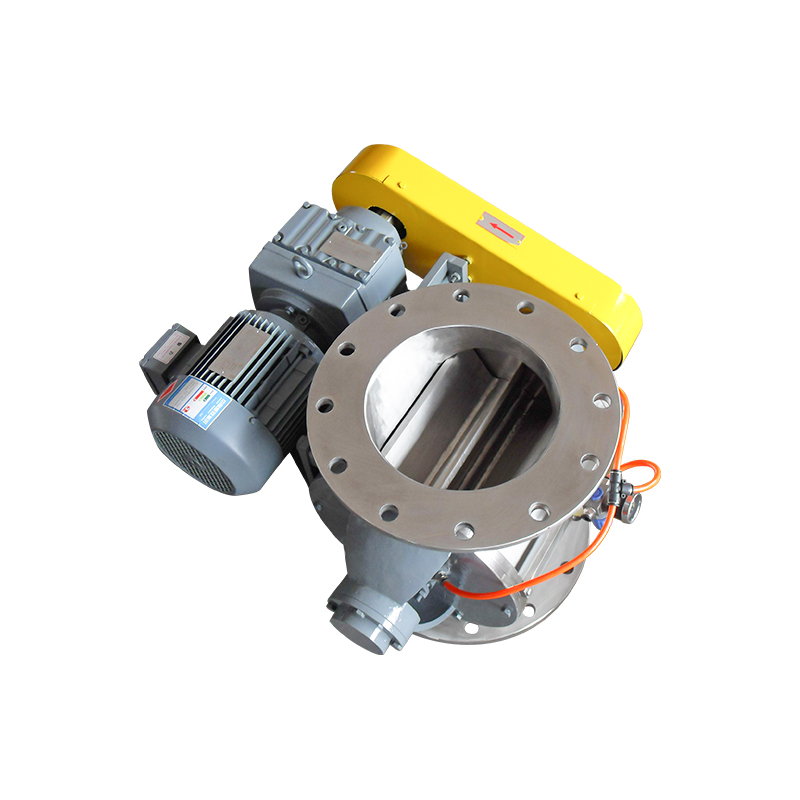
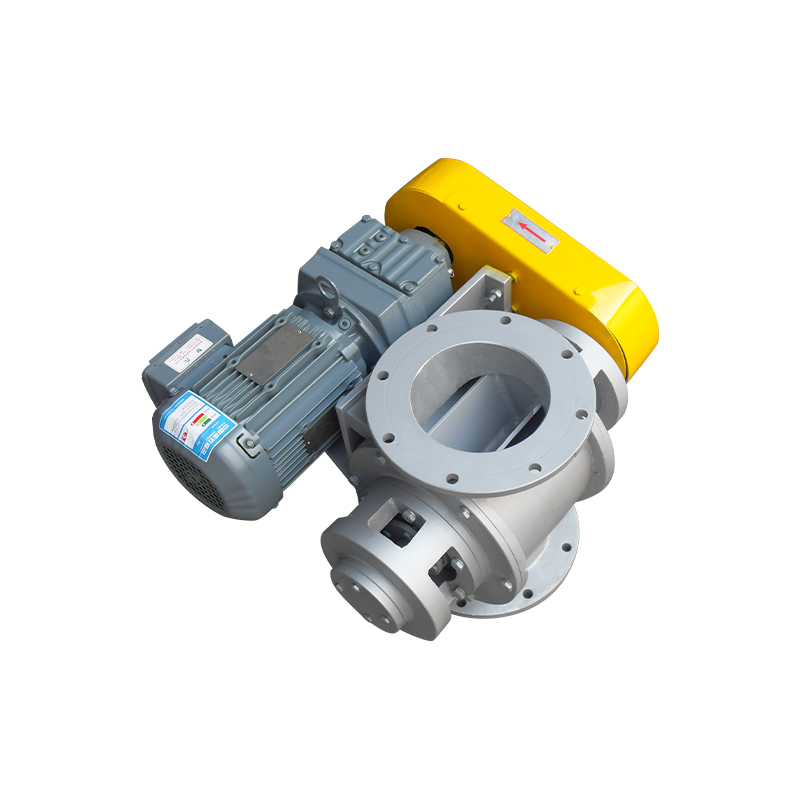
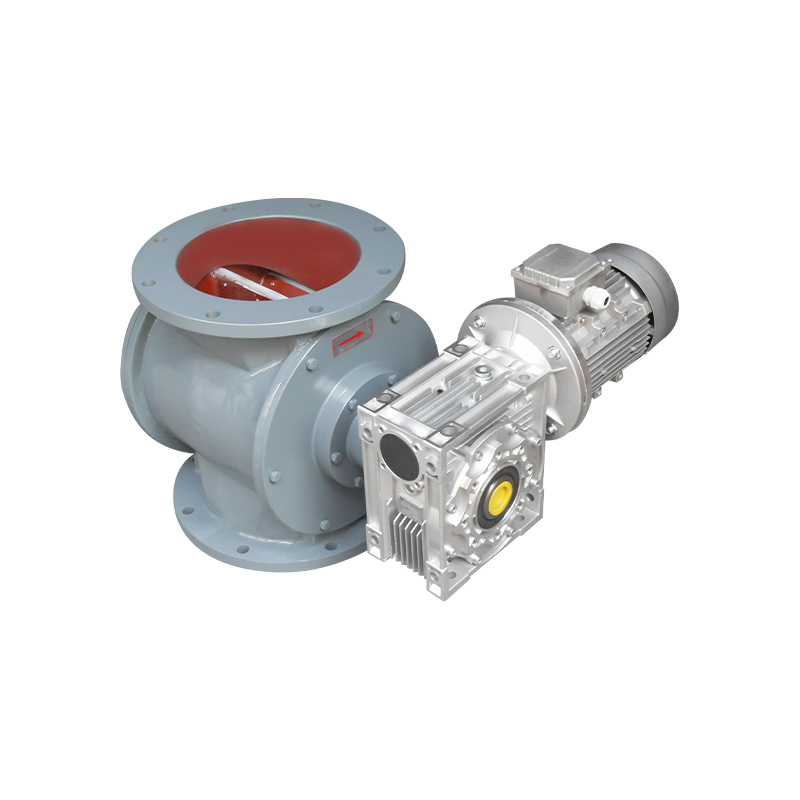
An air swept round port rotary valve is a positive displacement feeder that transfers bulk solids from one pressure zone to another while maintaining a pressure seal. The round port refers to the circular inlet and outlet openings, which match standard pipe flanges and allow a smooth, unrestricted flow path. The air swept, or purging, feature means the valve body includes connections for a controlled flow of air, typically introduced near the end plates and directed toward the rotor pockets.
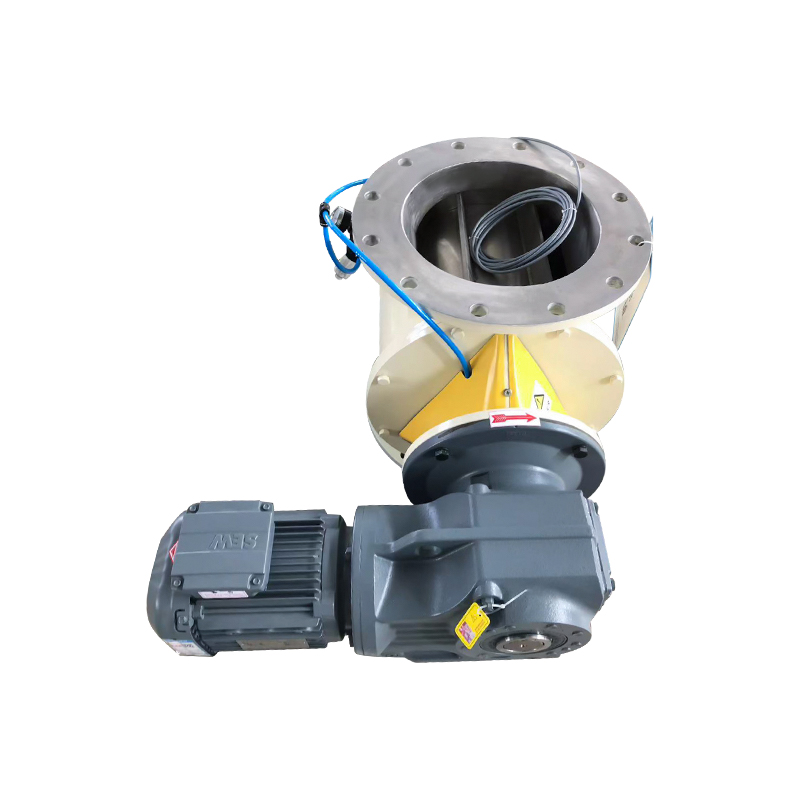 Air Swept Round Port Rotary Valve with Purge SealingThis valve uses compressed gas to form an air curtain, preventing dust leakage and material reflux. It suits high-pressure, high-temperature, or viscous materials and keeps rotor ends clean, reducing seizure risk in demanding pneumatic conveying.View Product →
Our purging air swept round port rotary valve is engineered precisely for this duty. It belongs to the ZRO series of circular flange rotary valves and is available with mechanical or packing shaft seals, depending on the sealing requirements of your process. The purge air connections are positioned to keep material from packing into the end-plate clearances, where it can cause rotor drag, premature wear, and eventual seizure.
Rotary valves operate with a small but necessary clearance between the rotor tips and the valve housing. In this gap, fine powders can penetrate and pack tightly, especially when the material is hygroscopic, electrostatically charged, or prone to smearing under pressure. Over time, packed material increases torque, accelerates tip wear, and reduces the valve's sealing efficiency.
Air purging addresses these problems in three ways:
The result is lower maintenance, more consistent throughput, and a longer service life for both the valve and the downstream equipment. For processors handling materials such as fly ash, titanium dioxide, carbon black, or fine chemical powders, the difference is immediately visible in reduced downtime.
The circular inlet and outlet of a round port rotary valve offer several practical advantages over square or rectangular openings. First, the round bore transitions cleanly from upstream pipework and into downstream components, eliminating the abrupt changes in cross-section that can create dead zones where material settles. Second, because there are no corners, there are no places for material to accumulate between rotations. This is particularly valuable for food, pharmaceutical, and fine chemical applications where cross-contamination or stale material is unacceptable.
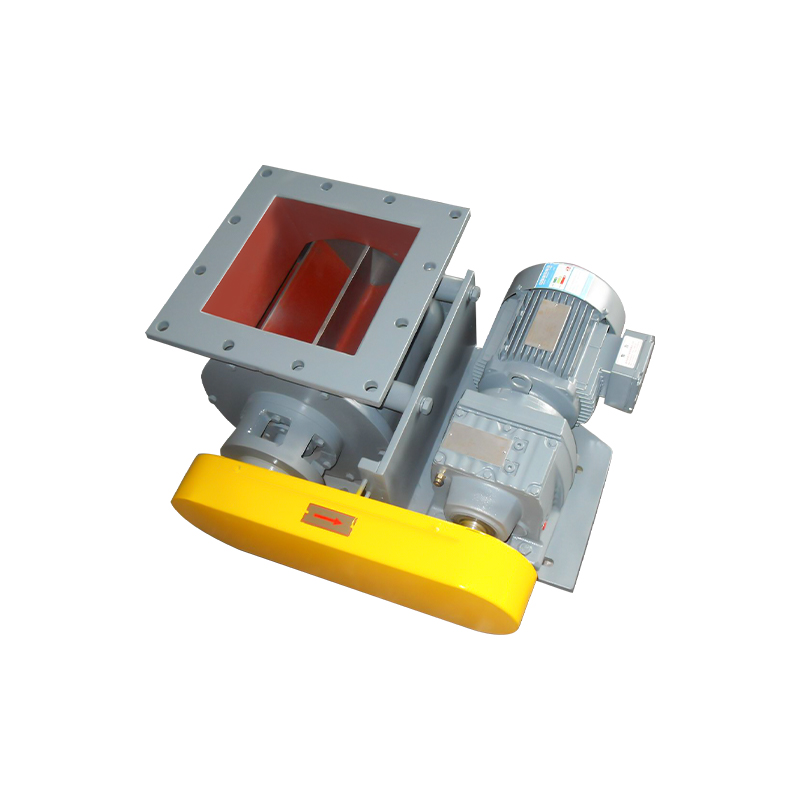
Round port valves also simplify pipe alignment on site. A standard pipe flange and a circular valve flange can be bolted together with a simple gasket, whereas square openings often require custom transition pieces. If you are comparing port geometries, our article on how square port rotary valves improve material flow efficiency explains the trade-offs between the two designs.
| Characteristic | Round Port | Square Port |
|---|---|---|
| Flow path | Smooth, no corners | May have corner dead zones |
| Pipe matching | Direct flange match | Transition often required |
| Cleaning | Easier to wipe down | Corners trap material |
| Typical use | Pipe-connected systems | Hopper and silo outlets |
When selecting an air swept round port rotary valve, pay close attention to the construction details that determine long-term reliability.
The shaft seal is the most common source of leaks and maintenance issues in a rotary valve. Air swept designs are available with two types of seals: mechanical seals, which use precision faces to create a tight barrier and are ideal for high-pressure or leakage-sensitive applications, and packing seals, which use braided packing material and are simpler and more economical for moderate-duty service.
For processes where air leakage into the product is a concern, our mechanical seal round port rotary valve is designed to minimize leakage while accommodating the purge air flow.
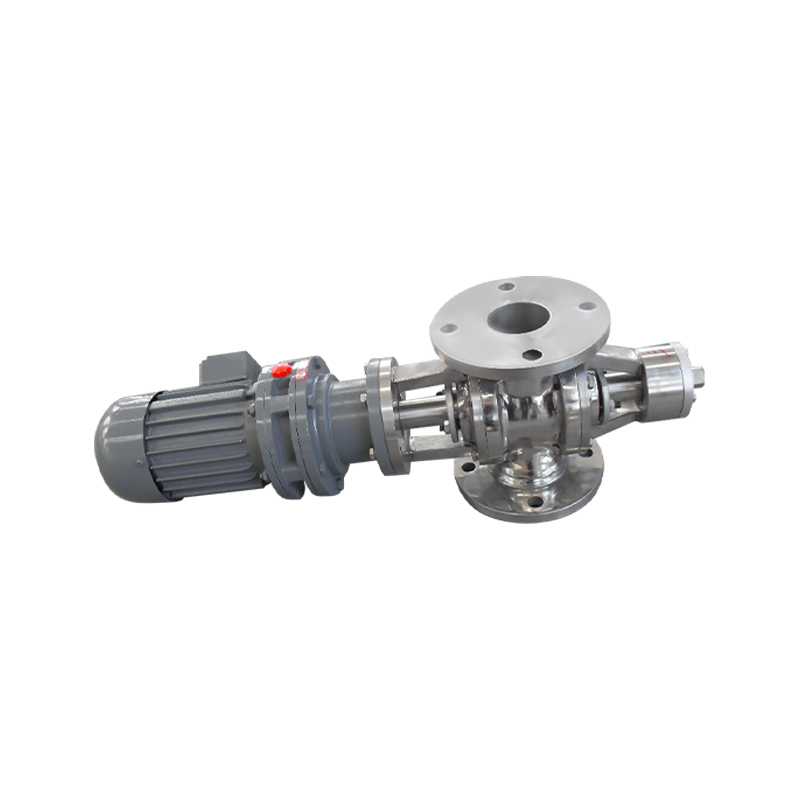 Mechanical Seal Round Port Rotary Valve for High SealingWith a single or double mechanical seal at the shaft end, this valve minimizes leakage and withstands high pressure differences. It suits clean, critical applications like chemical, pharmaceutical, food, or explosive environments where process isolation is essential.View Product →
The rotor pocket shape and the tip clearance control both throughput and leakage. A closed-end rotor with shallow pockets is better for pressure differentials, while an open-end rotor is easier to clean. Typical tip clearances range from 0.1 to 0.3 mm; consult your valve manufacturer for the recommended setting for your specific material.
Check the size, number, and location of purge air ports. A well-designed air swept valve distributes purge air evenly across both end plates, preventing the formation of blow channels that would let product bypass the rotor. You should also consider the quality of the purge air itself; filtered, dry air protects both the valve and the product.
Air swept round port rotary valves are used across many industries. Some of the most common applications include:
Round port rotary valves are especially common in pneumatic conveying and dust collection systems because their circular openings align naturally with pipe flanges and rotary feeders. If your process involves fine powders under pressure, this valve style is worth serious consideration.
Selecting the correct valve requires a clear understanding of your process conditions. The table below summarizes the key parameters to define before contacting a supplier.
| Parameter | What to consider |
|---|---|
| Throughput | Volume per hour, bulk density, and fill efficiency of the rotor |
| Pressure differential | Higher pressure drop requires tighter clearances and stronger seals |
| Material properties | Abrasiveness, stickiness, temperature, and particle size distribution |
| Purge air supply | Pressure, flow rate, and filtration of available air |
| Installation orientation | Horizontal versus vertical mounting affects purge effectiveness |
If your application is unusual or your process conditions are severe, a custom solution may be the best route. Our engineers regularly work with customers to adapt the standard ZRO design for higher temperatures, more abrasive materials, or larger capacities. For example, a valve built with wear-resistant materials can extend service life dramatically in abrasive duty.
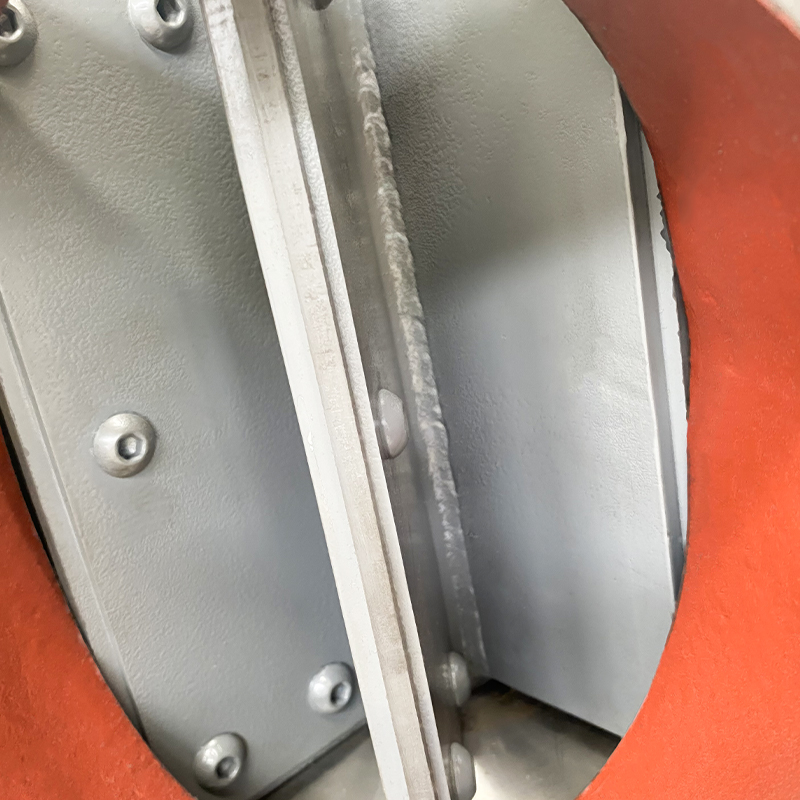 Wear-Resistant Rotary Valve for Abrasive MaterialsBuilt with high-chromium cast iron, alloy steel, or tungsten carbide coatings, this robust valve extends service life when handling cement, quartz sand, catalysts, and other abrasive bulk solids. It is often customized for severe process conditions.View Product →
An air swept rotary valve will give years of trouble-free service if you follow a few simple maintenance routines.
Taking these steps will maximize the return on your equipment investment and ensure that your process continues to run smoothly.
Air swept round port rotary valves are a proven solution for applications where standard rotary valves struggle with sticky, fine, or aeratable materials. The round port simplifies pipe connections and promotes uninterrupted flow, while the purge air system keeps the valve clean and running efficiently. By paying attention to seal type, rotor clearance, purge air quality, and routine maintenance, you can achieve reliable, low-cost operation for years to come.
If you are evaluating a new conveying or dust-collection system, or upgrading an existing one, explore our full range of rotary valves and consult a manufacturer that understands real-world process conditions. We will help you select a valve that fits your process, not the other way around.