

 English
 عربى
عربى
Home / News / Industry News / Air Seal Machinery for Powder Handling: Rotary Valve Types, Selection, and Maintenance
Industry News
Content
Air seal machinery can mean different things depending on where you work. In packaging, it often describes vacuum sealing equipment that removes air before closing a bag. In bulk solids handling, however, an air seal machine is usually a rotary airlock valve: a compact but critical component that moves powder, granules, or pellets while maintaining a pressure barrier between two parts of a system. At our rotary valve manufacturing facility, we build these valves for pneumatic conveying and dust collection systems, and we see every day how much depends on getting the air seal right.
If your process involves feeders, cyclones, baghouses, silos, or dilute-phase conveying lines, the air seal machinery you choose affects dust control, product loss, energy use, and maintenance intervals. This article explains how these valves work, which types fit common duties, and what to check before you specify a unit for your plant.
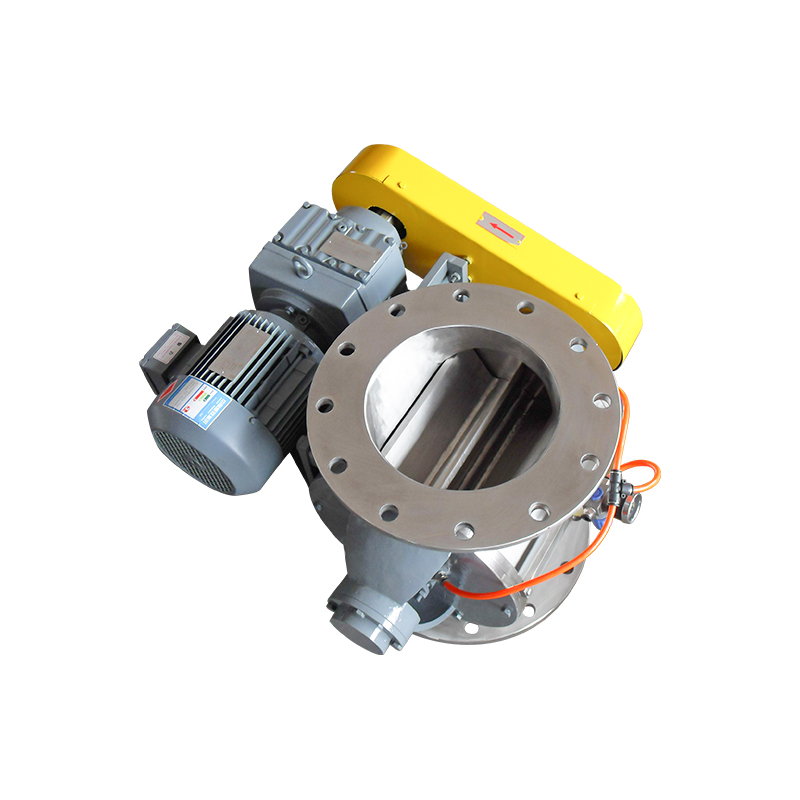
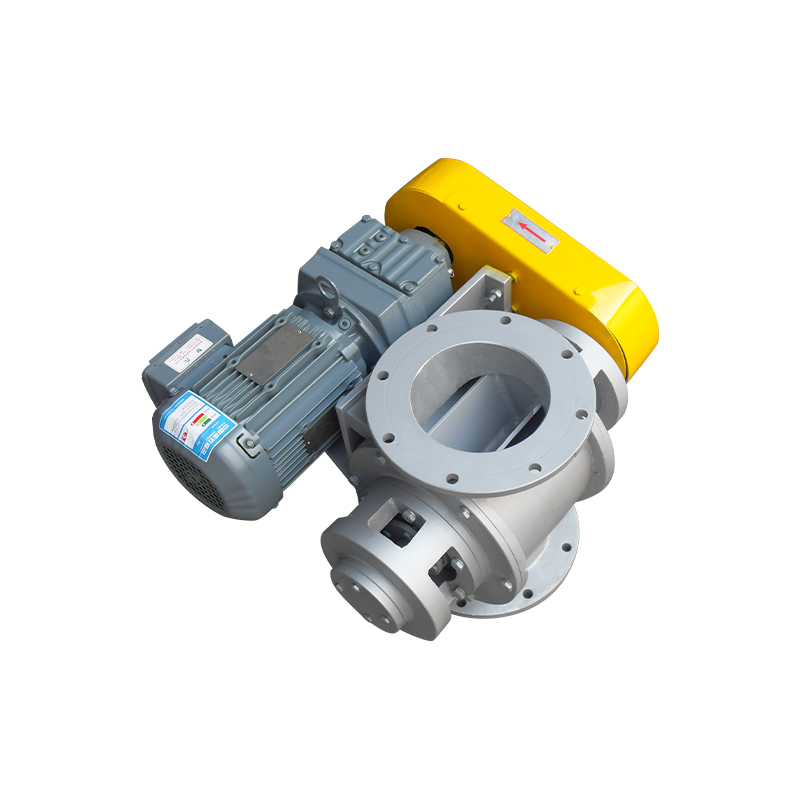
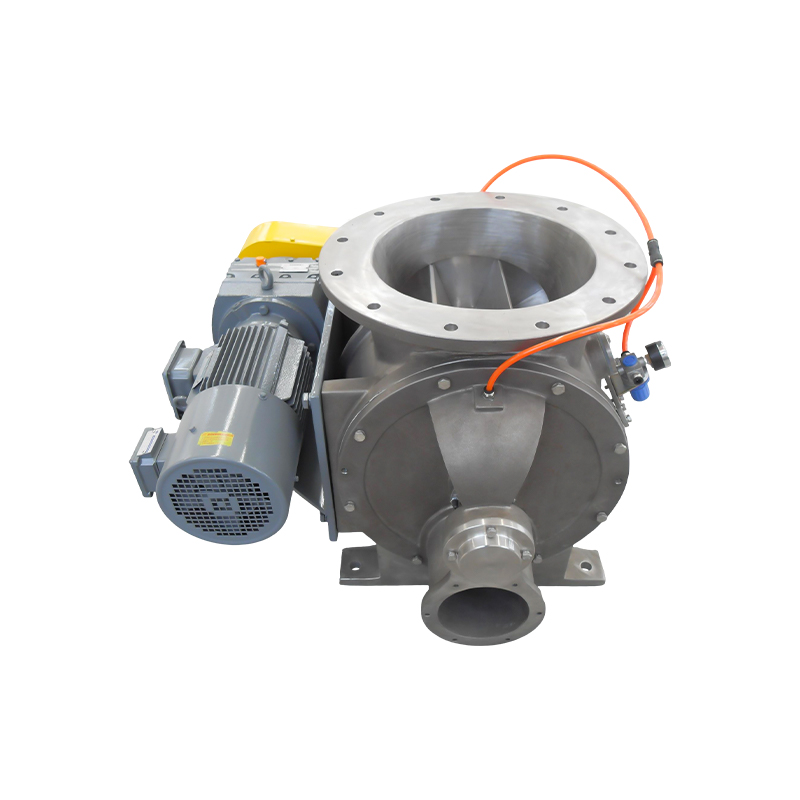
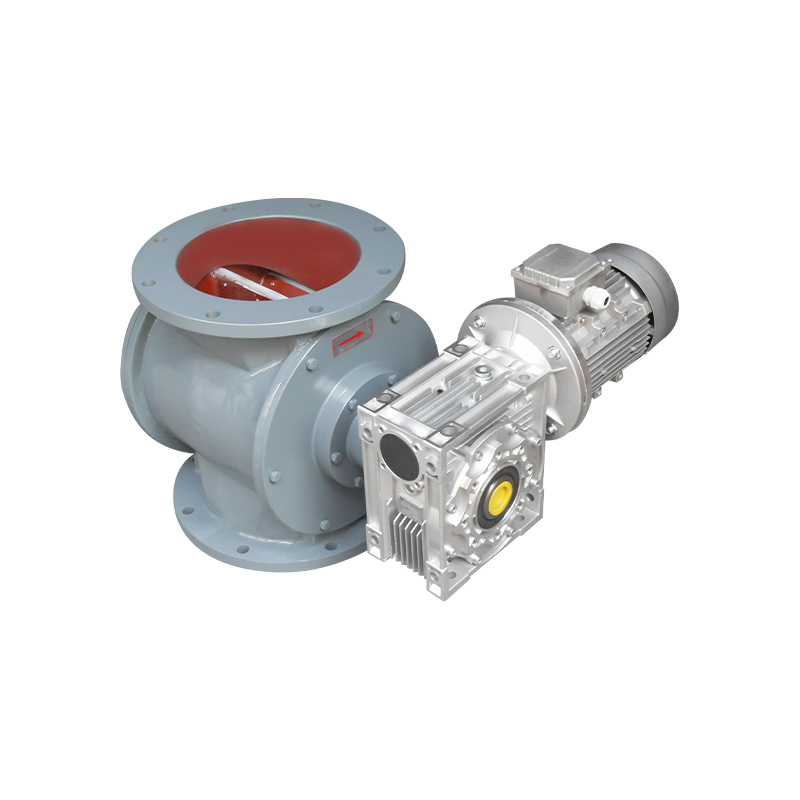
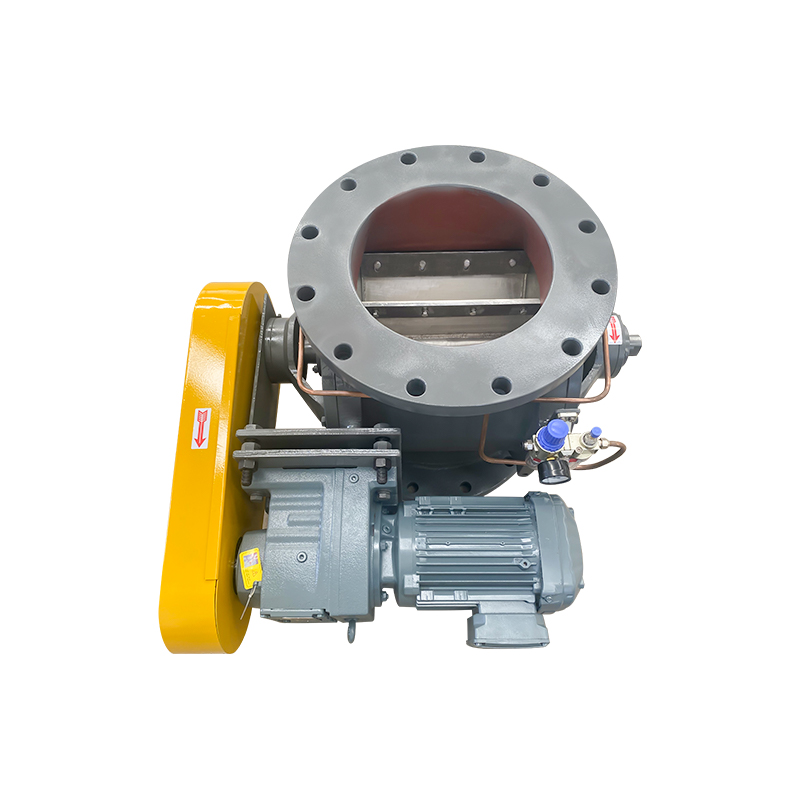
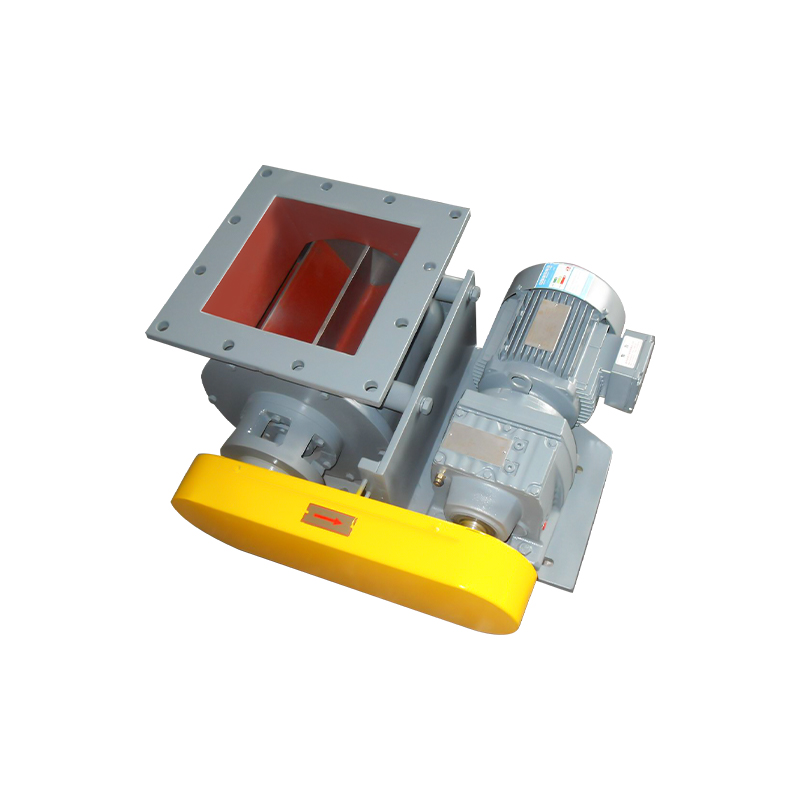
In industrial powder handling, an air seal machine is a rotary valve that creates a moving seal between two pressure zones. It typically consists of a cast or fabricated housing, a multi-vane rotor, end plates, bearings, and a drive arrangement. Material enters through the top inlet, fills the pockets between the rotor vanes, rotates 180 degrees, and discharges through the bottom outlet. Because the rotor and housing clearances are tightly controlled, the valve limits air leakage while still allowing solids to pass.
This dual function is why rotary airlocks are often called air seal valves, rotary feeders, or rotary discharge valves. They do not stop material flow completely; instead, they act as a dynamic seal that meters material and protects the process from unwanted pressure changes. A well-matched air seal valve helps a dust collector operate under negative pressure, prevents conveying air from blowing back into a silo, and keeps fine powders from escaping into the workplace.
The sealing principle is simple, but the engineering is not. As the rotor turns, each pocket alternates between the inlet and outlet. The clearance between the rotor tips and the housing must be small enough to restrict air flow, yet large enough to avoid metal-to-metal contact, heat buildup, and jamming. Bearing selection, shaft stiffness, and surface finish all influence how consistently the valve holds pressure over thousands of operating hours.
In a negative-pressure dust collection system, the valve below a hopper must discharge dust without letting outside air rush in. In a positive-pressure pneumatic conveying line, the valve must feed material into the air stream without allowing conveying air to escape backward. Both duties demand a stable pressure differential. When the differential is too high for the selected valve, air leakage increases, conveying velocity becomes unstable, and energy consumption rises.
Over time, abrasive powders widen the rotor-to-housing clearance. Leakage then increases gradually, often before any visible failure. That is why we recommend checking clearance during planned shutdowns, not only when output drops. For abrasive materials, wear-resistant rotors, hardened tips, or ceramic-lined options can extend service life and keep the air seal effective.
Because powders behave differently, no single air seal valve fits every duty. Our experience across more than 50 models has shown that the most reliable choice comes from matching valve structure to material characteristics and system pressure.
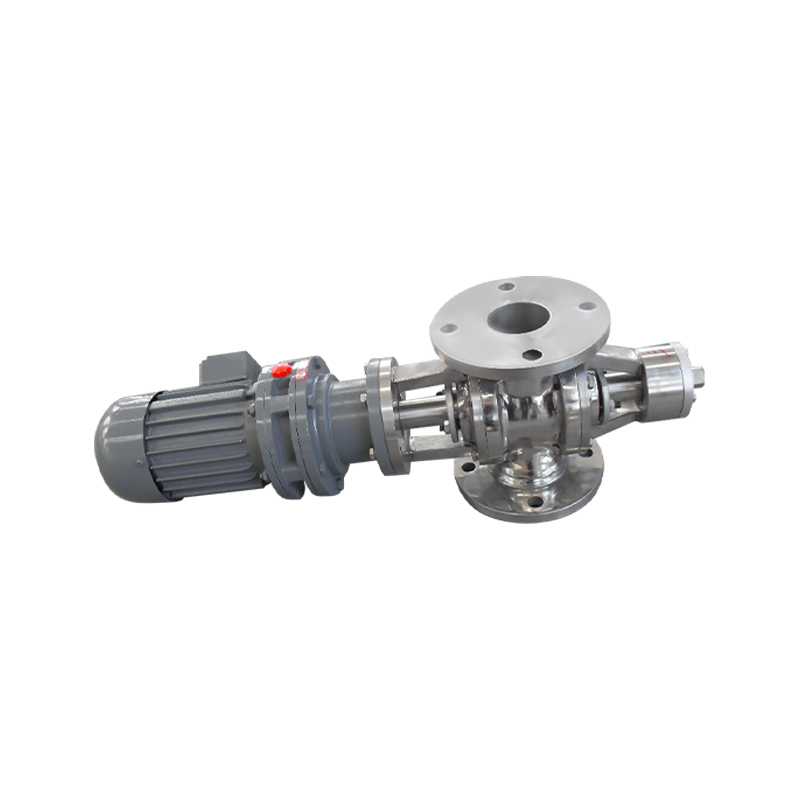 Mechanical Seal Round Port Rotary ValveMechanical seal type round mouth rotary valve is a high-end rotary feeding equipment used in high sealing and high cleanliness conveying occasions. Its core feature is...View Product →
Selection should begin with the material, not the catalog page. Particle size, bulk density, moisture content, temperature, abrasiveness, and stickiness all affect how a rotary valve will perform. A fine, dry powder may fluidize easily and require tighter clearances, while a damp or sticky material may need a purging-air swept design or a quick-clean access arrangement.
System conditions matter just as much. Confirm whether the valve will operate under positive pressure, negative pressure, or both. Check the required capacity in cubic feet per hour or kilograms per hour, the allowable air leakage, the inlet and outlet dimensions, and the available drive speed. For sanitary duties, verify whether stainless steel contact surfaces and tool-free cleaning are necessary. For high-temperature processes, allow for thermal expansion and choose bearings and seals rated for the expected temperature.
| Factor | What to Check | Typical Impact |
|---|---|---|
| Material | Particle size, abrasiveness, stickiness, temperature | Valve type, rotor material, clearance |
| Pressure | Positive, negative, or alternating differential | Seal design, bearing protection, leakage control |
| Capacity | Required feed or discharge rate | Rotor size, speed, inlet dimensions |
| Interface | Round or square flange, pipe connection | Model series, installation footprint |
| Cleaning | Changeover frequency, hygiene requirements | Quick-clean features, surface finish |
Rotary air seal machinery appears wherever bulk solids must move between pressure zones. In petrochemical and power plants, it feeds catalysts, additives, and fly ash into conveying lines or discharges them from collection hoppers. In environmental dust control, it sits beneath bag filters and cyclones, locking air while releasing collected dust. Food and pharmaceutical processors use stainless steel and quick-clean models to handle powders, granules, and ingredients with minimal residue. Metallurgy and building materials rely on wear-resistant and high-temperature designs for ore powder, cement raw meal, and slag dust.
These industries rarely buy a rotary valve as a standalone item. They need a component that fits an existing conveying or dust collection system. That is why we often work with plant engineers, maintenance teams, and system integrators to review the full process. If your project involves complex dust, sticky powders, or non-standard interfaces, customized rotary valve solutions can prevent repeated blockages and downtime.
A rotary air seal valve is a wear component, not a permanent fixture. With normal use, rotor tips, bearings, seals, and drive components will eventually need attention. A simple preventive program can extend service life and protect the whole conveying or dust collection system.
Standard valves cover many common duties, but some processes demand more. High-temperature rotary valves may need special bearings, seals, and clearances for hot kiln dust or flue gas ash. Large-size rotary valves support high-volume discharge from silos and bulk storage. Wear-resistant rotary valves use hardened or ceramic materials to survive abrasive powders such as alumina, sand, or cement. Quick-cleaning designs reduce cleaning time in multi-product plants and help maintain hygiene in food and pharmaceutical production.
Customization is not only about size. It can include non-standard flange dimensions, special surface finishes, purging-air connections, variable-speed drives, and material certifications. The earlier you involve the valve manufacturer in the project, the easier it is to avoid a mismatch between the air seal machinery and the rest of the system.
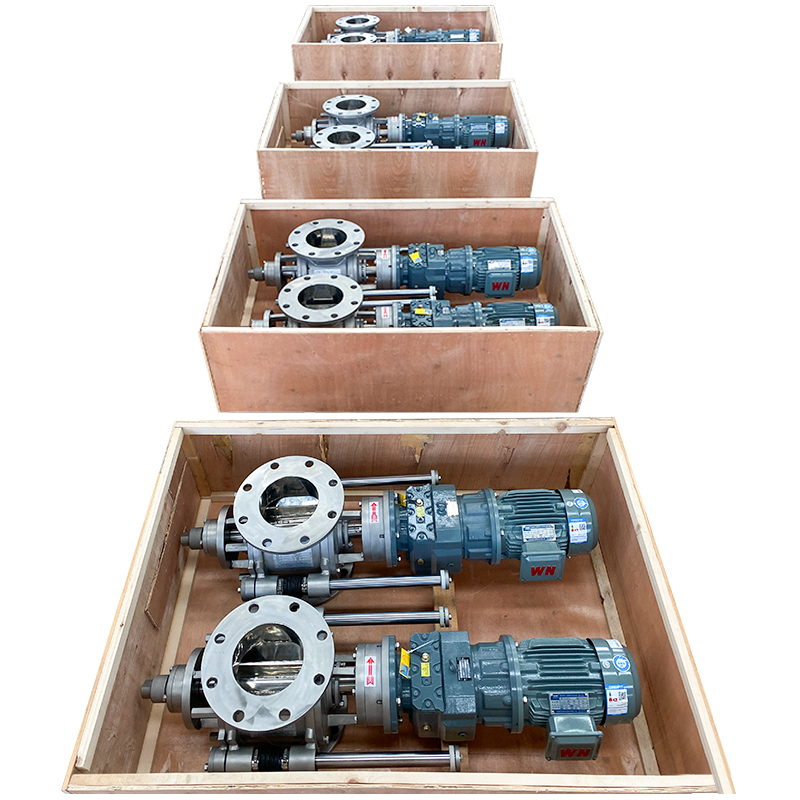 Sliding Rod Pull-Out Quick Cleaning Rotary ValveOperational features: After loosening the spiral handle, pull out the end cover and the rotor as a whole along the guide column. No tools are required during the disas...View Product →
Air seal machinery is a small part of a powder handling system, but it has an outsized effect on dust control, pressure stability, and operating cost. Whether you are replacing a worn rotary valve under a dust collector or specifying a new feeder for a pneumatic conveying line, start with the material, confirm the pressure conditions, and choose a valve design that can be maintained easily. With the right rotary airlock, your system moves material smoothly while keeping air, dust, and product where they belong.
If you need help matching an air seal valve to your process, our team can review your material data, interface dimensions, and operating conditions. We have supplied rotary valves to more than 20 countries from our 6,000-square-meter factory, and we are always glad to share practical selection advice before you order.