

 English
 عربى
عربى
Home / News / Industry News / Why Are Square Port Rotary Valves the Superior Choice for Bulk Material Handling Systems?
Industry News
Content
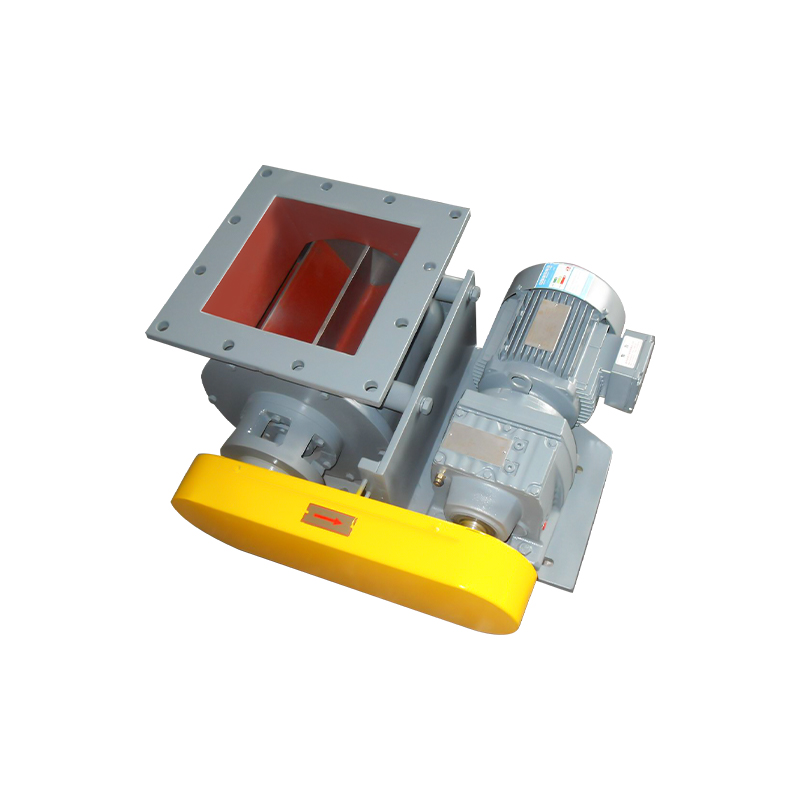
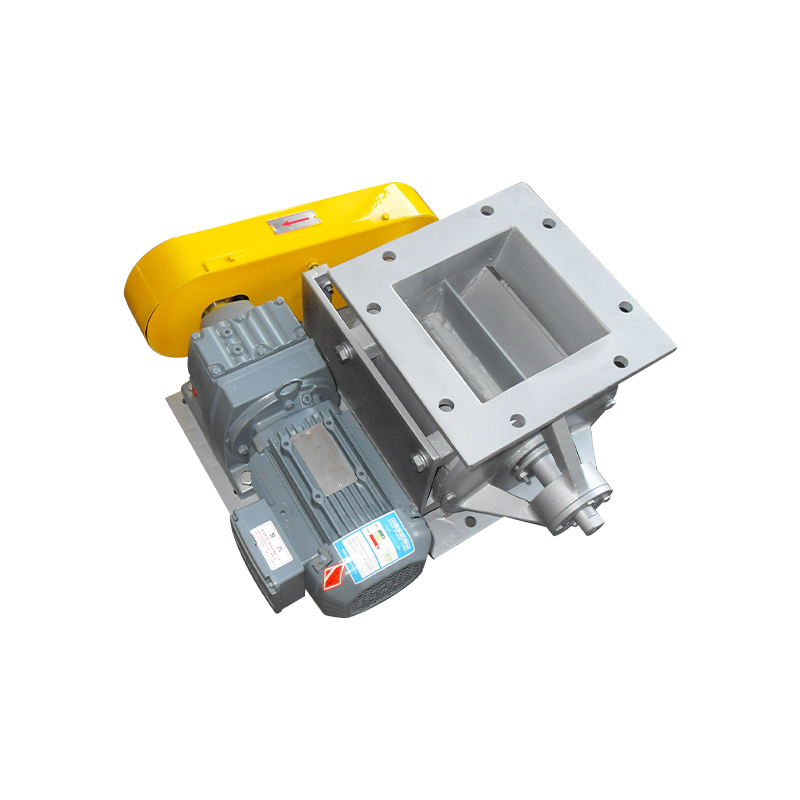
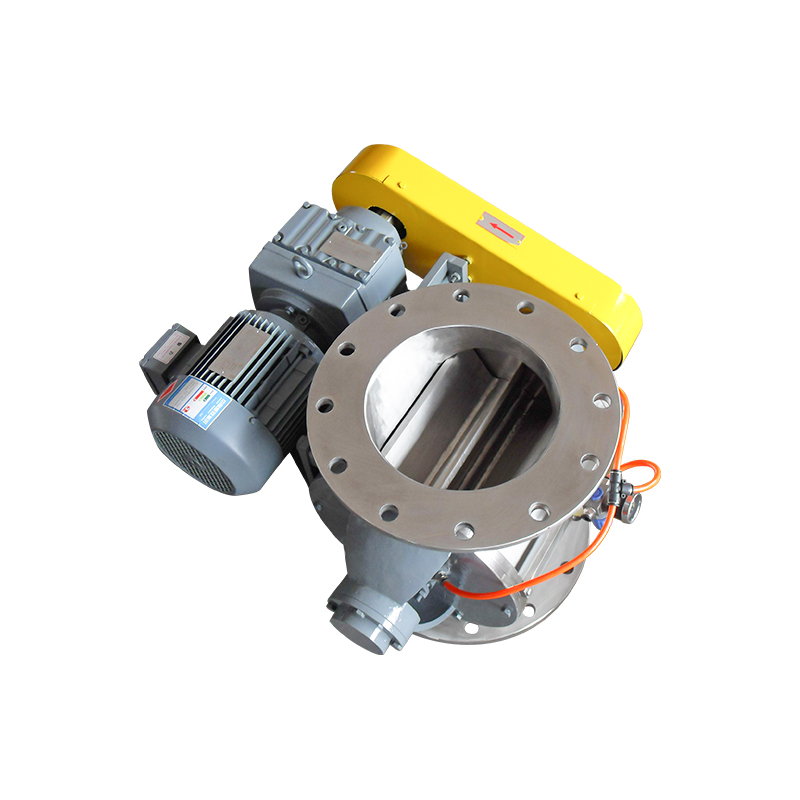
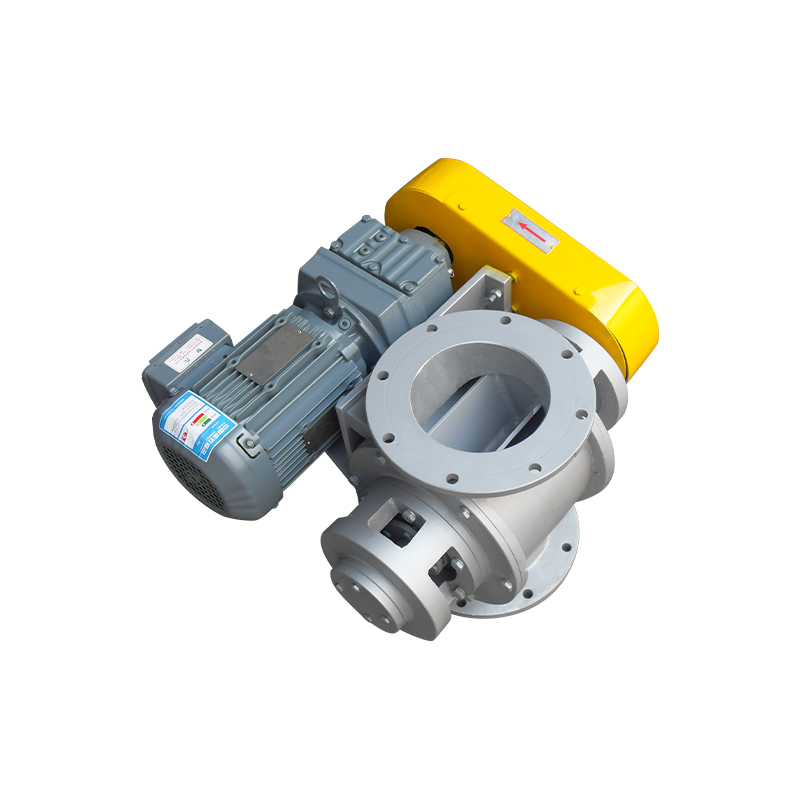
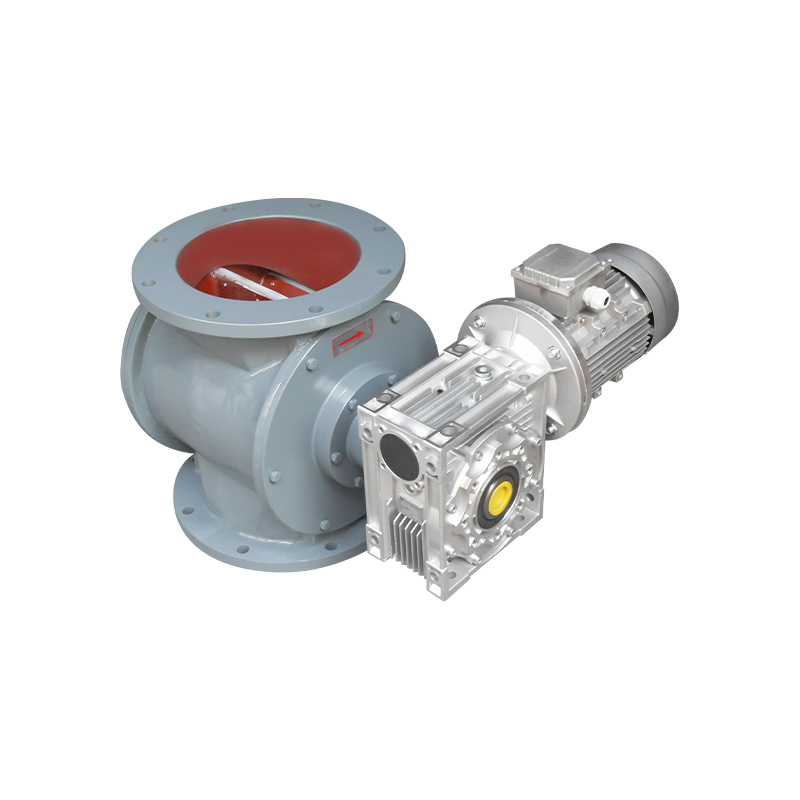
A square port rotary valve — also commonly referred to as a rotary airlock valve or rotary feeder — is a volumetric metering and sealing device used in bulk solids handling and pneumatic conveying systems. Like all rotary valves, it consists of a cylindrical housing within which a rotor fitted with multiple vanes or blades rotates continuously, sweeping material from an inlet at the top through individual pockets and discharging it from an outlet at the bottom. What distinguishes the square port variant is the geometry of the inlet and outlet openings in the valve housing: rather than circular ports, both the inlet and the outlet are configured as square or rectangular apertures.
This seemingly simple geometric difference has significant practical consequences. A square port opening, when matched to the full width of the rotor, exposes a much larger cross-sectional area relative to the valve's overall diameter compared to a round port of equivalent nominal size. This increased open area means that material entering the valve encounters less restriction at the inlet, reducing bridging tendencies and improving throughput for the same rotor diameter. The square geometry also aligns naturally with rectangular hoppers, chutes, and conveying ductwork, simplifying installation and reducing the need for transition pieces that add cost and potential blockage points to the system.
Understanding the internal architecture of a square port rotary valve is essential for evaluating its suitability for a specific application and for maintaining it correctly throughout its service life.
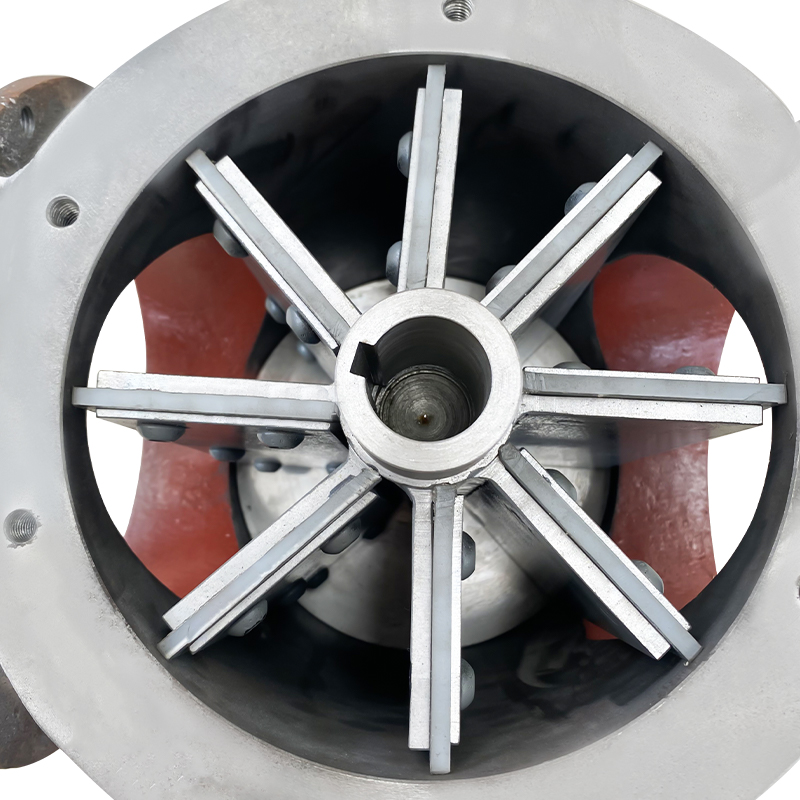
The rotor is the heart of any rotary valve. In square port designs, rotors are typically manufactured with six, eight, or ten vanes depending on the valve size and the required balance between pocket volume, tip clearance management, and leakage control. Each vane divides the rotor into individual pockets that carry a measured volume of material through the valve body per revolution. The tips of the vanes maintain a close clearance — typically between 0.1mm and 0.25mm — with the bore of the housing to minimize air leakage while avoiding contact that would cause wear or seizure. Rotor vanes are most commonly manufactured from cast iron, carbon steel, or stainless steel, with hardened or replaceable tip inserts available for abrasive applications.
The rotor shaft is supported on both ends by bearing assemblies housed in end plates that bolt to the main valve body. The end plate design in square port rotary valves must accommodate the wider port geometry without compromising the structural integrity of the housing or the bearing support arrangement. Many manufacturers use a drop-through end plate configuration that allows the rotor to be withdrawn from the valve body axially for inspection and maintenance without disturbing the inlet or outlet connections — a significant practical advantage in production environments where downtime must be minimized.
Where the rotor shaft exits the valve housing through the end plates, shaft seals prevent material from migrating outward along the shaft and process air from leaking between the high-pressure conveying line and the ambient environment. Standard shaft seals use packing glands with adjustable gland follower compression, while more demanding applications — particularly in food, pharmaceutical, or fine powder service — use labyrinth seals with purge air injection to maintain positive pressure and prevent any inward or outward material migration.
The square port configuration delivers measurable performance benefits compared to round port alternatives across several dimensions that matter directly to system designers and plant operators.
Square port rotary valves are deployed across a wide range of industries wherever bulk dry solids must be metered, fed, or transferred between process equipment operating at different pressures. Their particular strengths in handling high flow rates and difficult materials make them the preferred choice in several demanding application categories.
| Industry | Typical Material Handled | Key Requirement Addressed |
| Grain and Feed Milling | Whole grains, pellets, meal | High throughput, particle integrity |
| Cement and Minerals | Clinker, fly ash, limestone | Abrasion resistance, air sealing |
| Food Processing | Sugar, salt, flour, spices | Hygienic design, easy cleaning |
| Plastics and Chemicals | Polymer pellets, resin granules | Low particle degradation, accuracy |
| Biomass and Wood | Wood chips, sawdust, pellets | Wide port for fibrous materials |
| Pharmaceutical | Active ingredients, excipients | Containment, cleanability, precision |
In grain and feed milling, square port rotary valves handle whole kernels and pelleted feed ingredients that would risk jamming or high particle breakage in a smaller round port valve. In cement and mineral processing, abrasion-resistant rotor and housing materials combined with the high throughput capacity of the square port design make them the standard specification for fly ash collection, raw meal feeding, and pneumatic conveying system airlocks. In food processing, stainless steel square port valves with polished internal surfaces and crevice-free designs meet hygiene standards while handling high volumes of free-flowing or slightly cohesive food ingredients.
The materials of construction for a square port rotary valve must be selected based on the chemical and physical properties of the bulk material being handled, the operating temperature, and any regulatory requirements applicable to the industry.
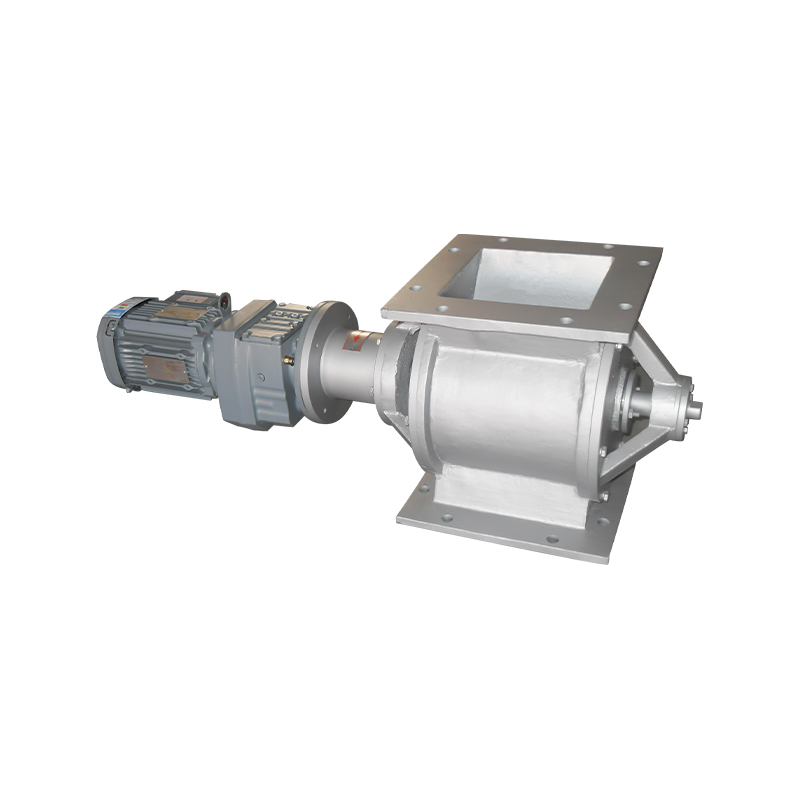
Cast iron or fabricated carbon steel housings and rotors are standard for general industrial applications handling non-corrosive, non-food materials at ambient or moderately elevated temperatures. Carbon steel valves offer the best combination of structural strength, machinability, and cost for the majority of bulk handling applications in cement, minerals, chemicals, and agricultural processing. Internal surfaces can be coated or hardened where moderate abrasion resistance is required without the expense of full stainless steel construction.
Grade 304 or 316L stainless steel construction is specified for food-grade, pharmaceutical, and corrosive chemical applications. Stainless steel square port rotary valves are typically manufactured with electropolished internal surfaces to Ra values of 0.8 micrometers or better, eliminating surface roughness that could harbor bacterial contamination or cause product adhesion. All internal welds are ground smooth and fully passivated. Quick-release end plates and tool-free rotor removal are standard features in food and pharmaceutical grade valves to facilitate the thorough cleaning and inspection required between product changeovers.
For highly abrasive materials such as silica sand, alumina, cement clinker, and mineral ores, standard rotor and housing materials wear rapidly and require frequent replacement. Wear-resistant configurations address this through several approaches: hardened rotor tip inserts in materials such as Ni-hard cast iron or tungsten carbide; hard-chrome or ceramic thermal spray coatings on rotor vane faces and housing bores; and replaceable wear liners in the housing inlet and outlet regions where abrasive impact is highest. These configurations significantly extend service intervals and reduce the lifetime cost of valve ownership in abrasive service despite their higher initial purchase cost.
Specifying the correct square port rotary valve for a given application requires evaluating several interdependent parameters systematically. Errors in any one of these areas can result in undersized capacity, premature wear, product contamination, or excessive air leakage that disrupts pneumatic conveying system performance.
Square port rotary valves are relatively simple mechanical devices, but they operate in demanding environments and require consistent preventive maintenance to deliver their rated service life reliably. A structured maintenance program addresses the principal wear and failure mechanisms before they cause unplanned downtime.
When selecting and operating square port rotary valves, the investment in correct initial specification and ongoing disciplined maintenance consistently delivers lower total cost of ownership, higher system availability, and more consistent process performance than purchasing decisions made on the basis of initial purchase price alone. The square port design's inherent advantages in throughput capacity and material handling versatility make it the engineering-preferred configuration for any bulk solids application where flow rate, reliability, and operational simplicity are primary priorities.