

 English
 عربى
عربى
Home / News / Industry News / Why Are Anti Jamming Rotary Valves Essential for Reliable Bulk Material Handling Systems?
Industry News
Content
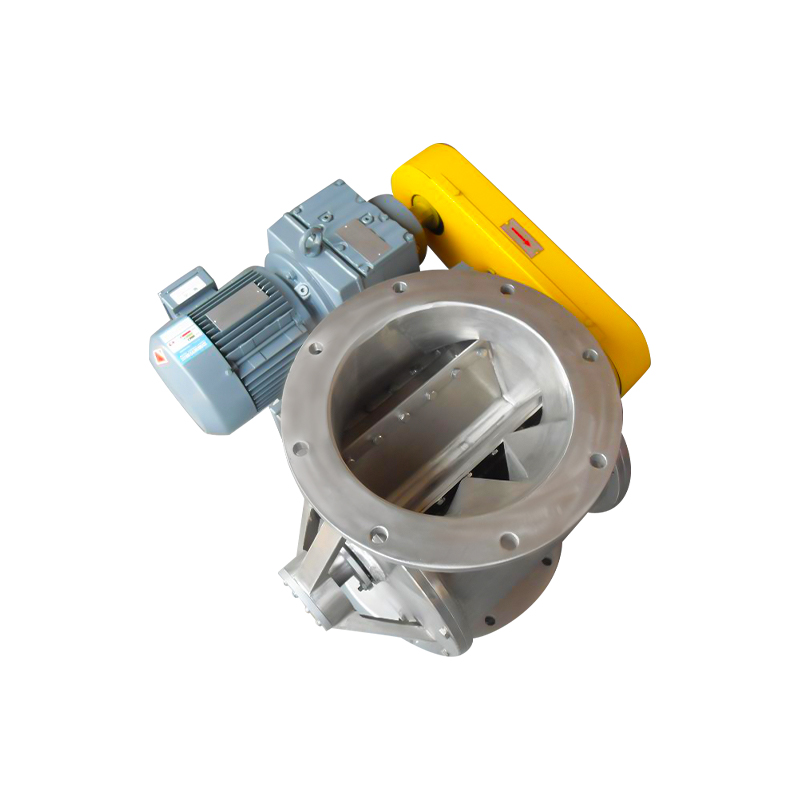
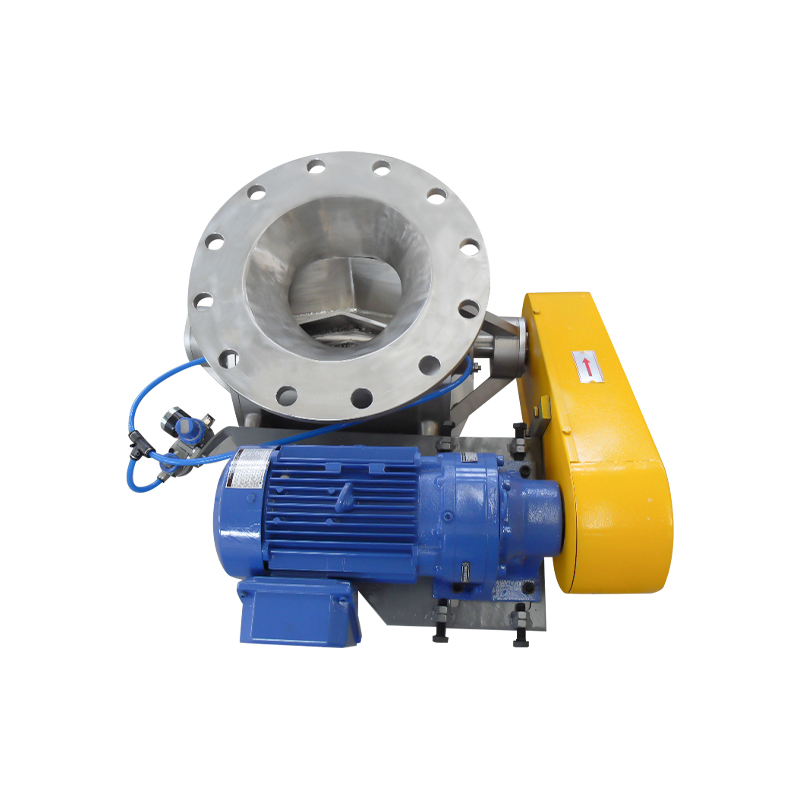
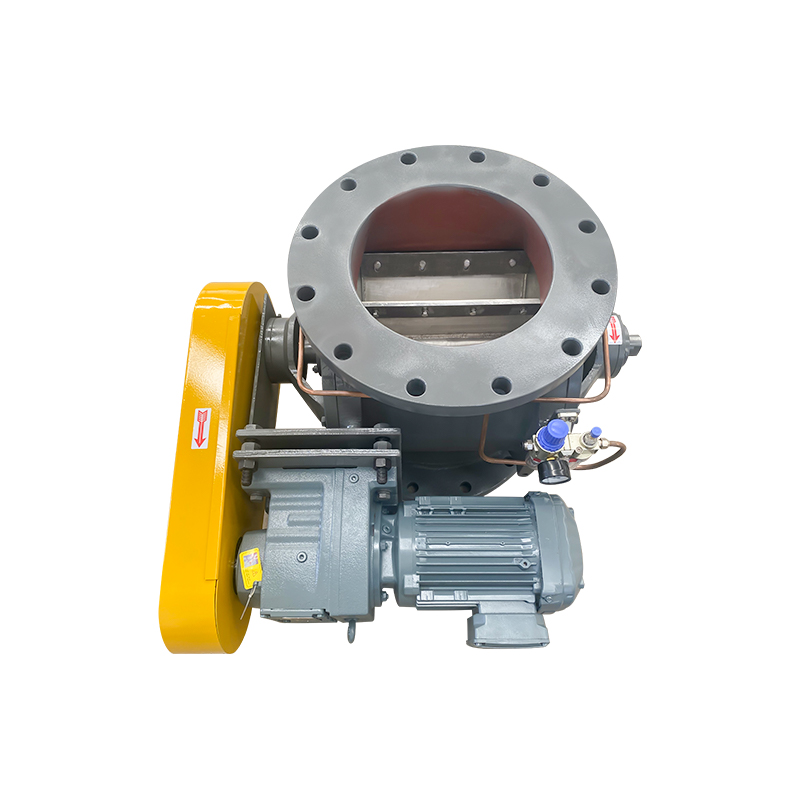
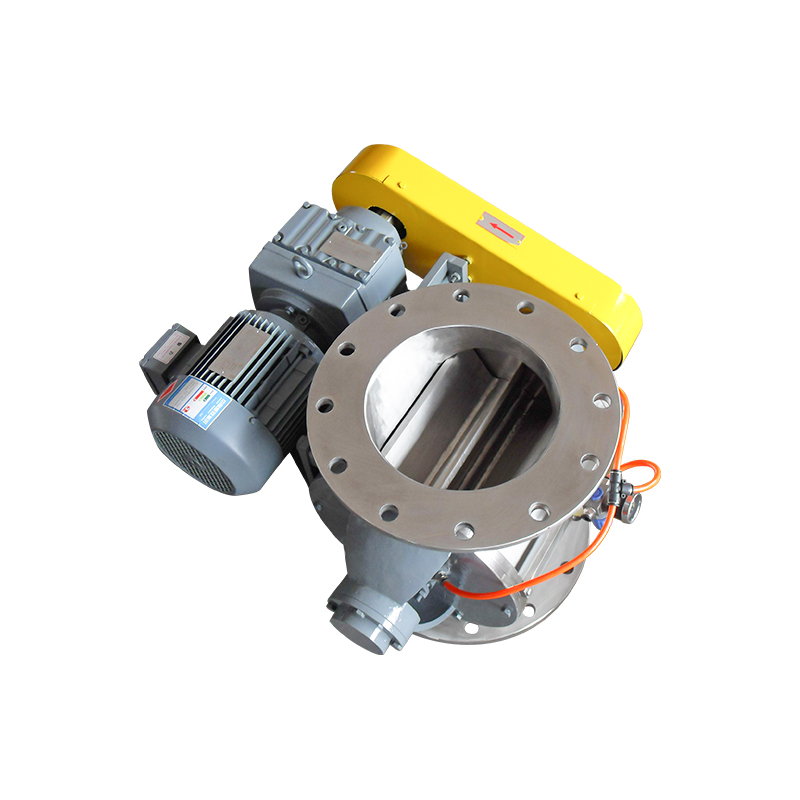
Anti jamming rotary valves are a specialized category of rotary airlock valves engineered specifically to handle bulk materials that are prone to bridging, clumping, packing, or causing mechanical blockages in standard rotary valve designs. In bulk material handling and pneumatic conveying systems, valve jamming is one of the most common causes of unplanned downtime, equipment damage, and production losses. Anti jamming rotary valves address this problem at the design level — incorporating mechanical features that prevent material from becoming trapped between the rotor vanes and the valve housing, allowing continuous, reliable operation even with the most challenging bulk solids.
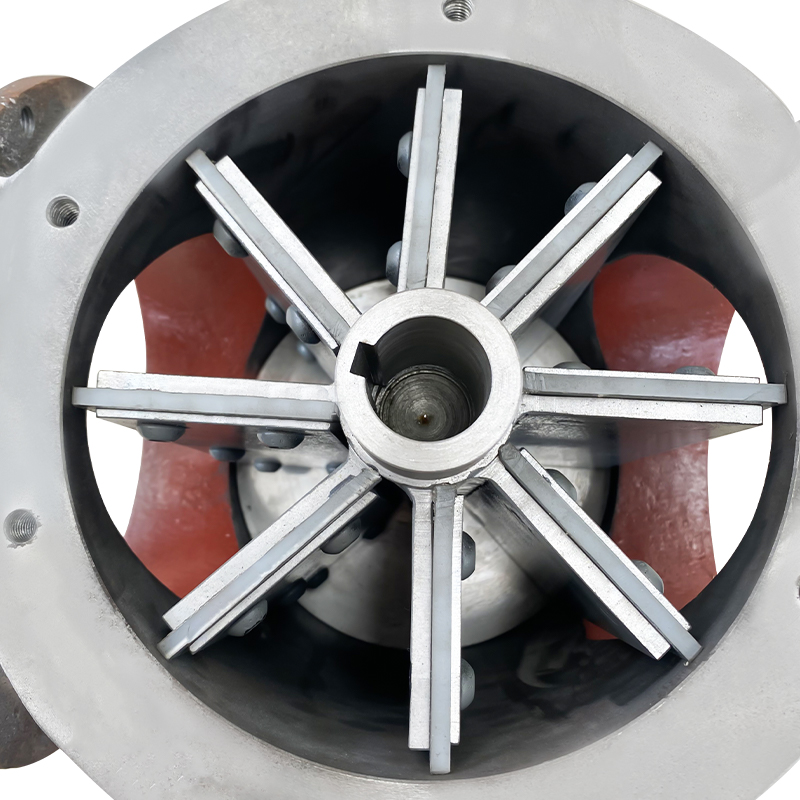
To appreciate why anti jamming rotary valves exist, it is important to understand the failure mode they are designed to prevent. A standard rotary valve — also called a rotary airlock or star feeder — consists of a rotor with multiple vanes rotating inside a cylindrical housing. Material enters through the top inlet, fills the pockets between the vanes, and is discharged through the bottom outlet as the rotor turns. This design works reliably for free-flowing, relatively uniform bulk materials.
However, when the material contains oversized particles, fibrous content, sticky or hygroscopic components, agglomerates, or irregularly shaped pieces, problems arise at the point where the rotor vane tip passes the inlet opening. If a large or irregularly shaped particle becomes wedged between the leading edge of a rotor vane and the valve body at the inlet, the rotor stalls. This is a jam. In a standard valve, this immediately halts material flow, triggers a motor overload condition, and typically requires manual intervention — opening the valve, clearing the obstruction, and restarting the system. In high-throughput industrial operations, even a single jam event can cost significant production time and, in systems running continuous processes, create upstream backups with serious consequences.
Anti jamming rotary valves incorporate one or more specific design modifications that prevent the rotor from stalling when it encounters an obstruction. Rather than allowing a trapped particle to halt rotation entirely, these mechanisms allow the valve to either bypass the obstruction, break it up, or momentarily accommodate the larger particle without damage to the rotor, housing, or drive system.
The most common anti jamming mechanism uses a controlled reverse rotation cycle triggered automatically when the valve drive detects an increase in torque that indicates an obstruction. When jamming resistance is sensed — typically through a torque-monitoring controller connected to the drive motor — the rotor reverses direction briefly to dislodge the trapped material, then resumes normal forward rotation. This cycle can happen multiple times in rapid succession if needed and is often imperceptible in terms of its effect on overall material throughput. The reverse rotation approach requires no mechanical modification to the rotor itself and is frequently applied as a control system upgrade to existing valve installations.
Some anti jamming rotary valves use an outboard bearing configuration in which the rotor shaft bearings are located entirely outside the valve housing, eliminating the through-shaft design used in standard valves. This removes the bearing and shaft seal assemblies from the material flow path, eliminating a common site for material packing and shaft seizure. The drop-through rotor design also provides a larger effective pocket volume and cleaner material discharge, reducing the likelihood of residual material buildup that contributes to jamming in long-running operations.
Another design approach uses rotor vanes fitted with flexible or spring-loaded tip inserts that can momentarily deflect when a large particle is caught between the vane tip and the housing bore. This slight deflection allows the particle to pass through or be pushed aside without stalling the rotor. Flexible vane tip designs are particularly effective for fibrous materials, wood chips, recycled plastics, and other materials with unpredictable particle geometry. They require periodic inspection and replacement as the flexible tips wear, but significantly extend uninterrupted operating periods compared to rigid-vane designs.
Some anti jamming valve designs incorporate an enlarged or contoured inlet opening and specially shaped relief pockets between the rotor vanes. The relief pocket design creates additional clearance at the critical transition zone where the vane tip sweeps past the inlet edge — the exact location where standard valves jam. By increasing the clearance and shaping the pocket geometry to guide oversized particles into the pocket rather than trapping them against the vane tip, these designs reduce jamming frequency without requiring active mechanical intervention. They are a passive anti jamming solution that requires no additional controls or monitoring equipment.
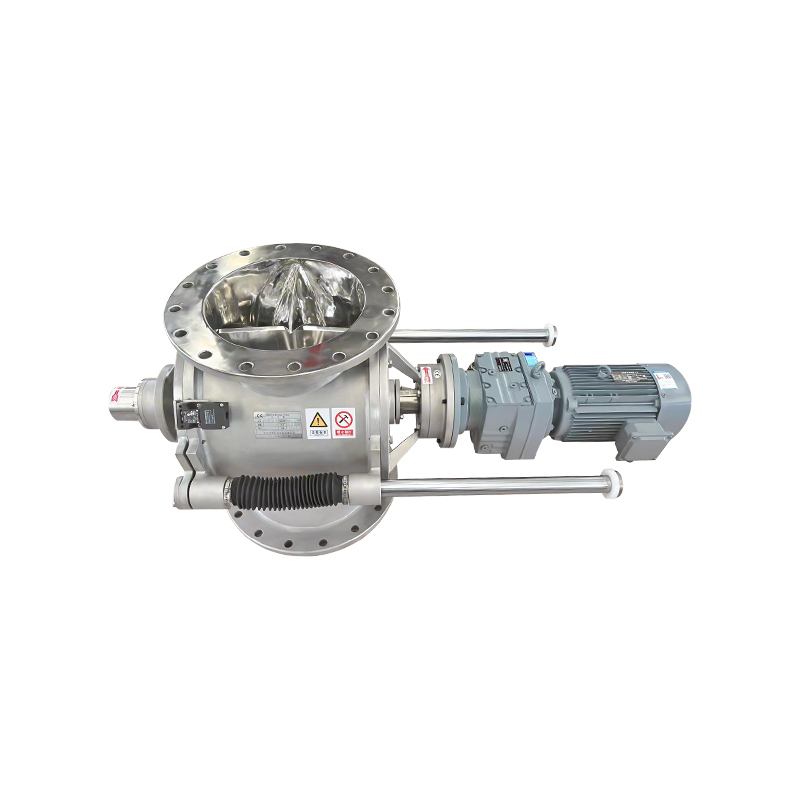
Anti jamming rotary valves are specified across a wide range of industries wherever bulk material characteristics make standard rotary valves unreliable. The common thread is material that is coarse, fibrous, sticky, irregular, or variable in particle size.
| Industry | Typical Material Handled | Jamming Risk Factor |
| Wood and Biomass | Wood chips, sawdust, bark, pellets | Fibrous, irregular shapes, variable size |
| Recycling and Waste | Shredded plastics, paper, RDF | Stringy, lightweight, unpredictable geometry |
| Food Processing | Grains, dried fruit, nuts, pet food | Sticky, fragile, agglomeration-prone |
| Plastics Manufacturing | Polymer pellets, regrind, flakes | Elongated shapes, static-prone, variable bulk density |
| Mining and Minerals | Crushed ore, coal fines, limestone | Coarse, abrasive, irregular particle size distribution |
| Agriculture | Straw, husks, seeds, animal feed | Fibrous, low bulk density, bridging-prone |
| Chemical Processing | Hygroscopic powders, granules, crystals | Moisture-induced caking, particle fusion |
In biomass energy plants, for example, anti jamming rotary valves are virtually standard equipment because wood chip and agricultural residue feed streams contain a constant mix of particle sizes, including occasional oversized pieces that pass through upstream screening. In recycling facilities handling shredded materials, the stringy and irregular nature of the product makes jamming in standard valves essentially inevitable without anti jamming design features.
Not all anti jamming rotary valves offer the same level of protection or are appropriate for every application. When evaluating options, several design parameters directly determine how effectively the valve will handle your specific material and operating conditions.
Choosing between a standard rotary valve and an anti jamming variant involves weighing the cost premium of the anti jamming design against the operational cost of jamming incidents. In many applications, this calculation strongly favors the anti jamming valve even when the initial purchase price is significantly higher.
| Factor | Standard Rotary Valve | Anti Jamming Rotary Valve |
| Upfront Cost | Lower | Higher (15–40% premium typical) |
| Downtime Risk with Difficult Materials | High | Low to Very Low |
| Manual Intervention Frequency | High for fibrous/coarse material | Minimal in most applications |
| Airlock Efficiency | Higher (tighter tip clearance) | Slightly lower due to wider clearances |
| Drive System Complexity | Simple fixed-speed drive | VFD with torque monitoring recommended |
| Suitable for Free-Flowing Fine Powder | Yes | Yes, but over-specified for this use |
Proper installation and ongoing maintenance are essential for anti jamming rotary valves to deliver their designed performance. Even the most robust anti jamming design will underperform if installed incorrectly or maintained inadequately.
Anti jamming rotary valves represent a targeted engineering solution to one of the most persistent reliability challenges in bulk material handling. Selecting the right anti jamming mechanism for your specific material and process conditions, combined with correct installation and a proactive maintenance programme, delivers a level of operational continuity that standard rotary valves simply cannot match when handling difficult bulk solids. The investment in anti jamming capability pays back quickly — often within a few weeks of operation — through the elimination of manual clearing interventions, motor overload events, and the cascading production disruptions that jamming incidents cause in continuous processing systems.