

 English
 عربى
عربى
Home / News / Industry News / What Makes a Mechanical Seal Round Port Rotary Valve the Right Choice for Demanding Bulk Handling Systems?
Industry News
Content
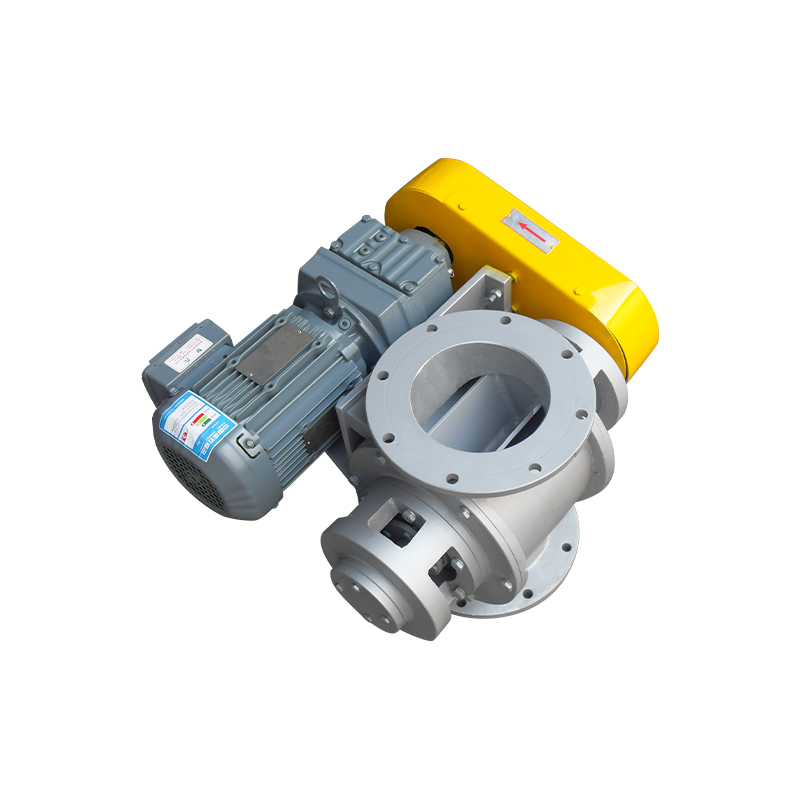
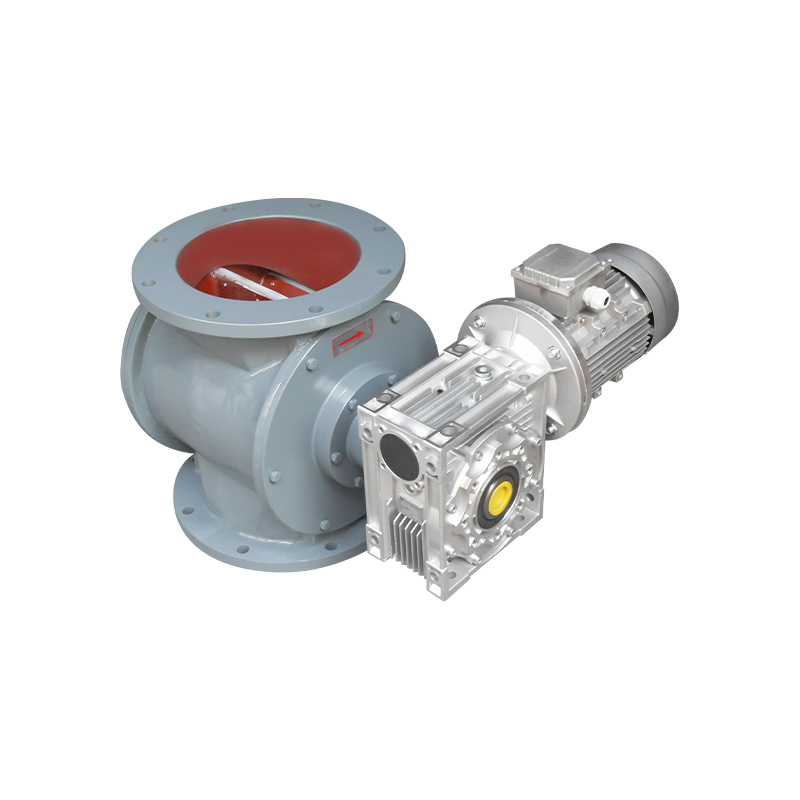
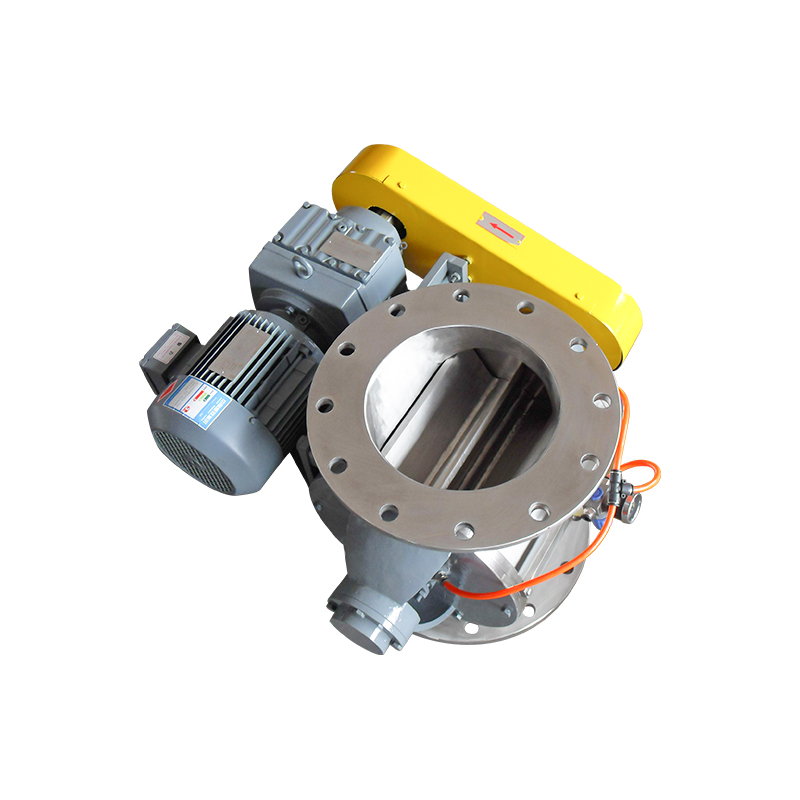
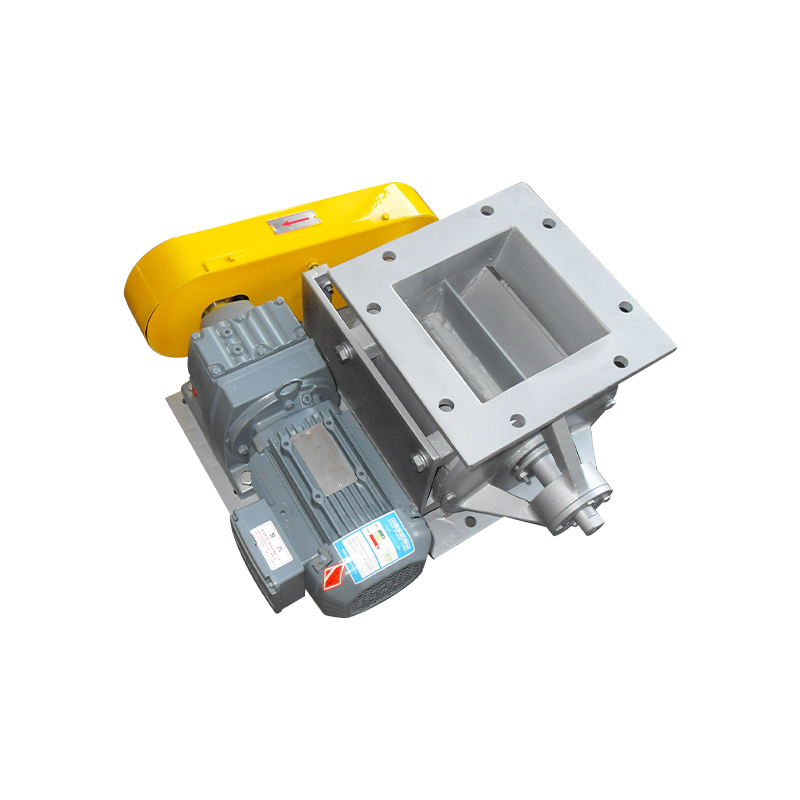
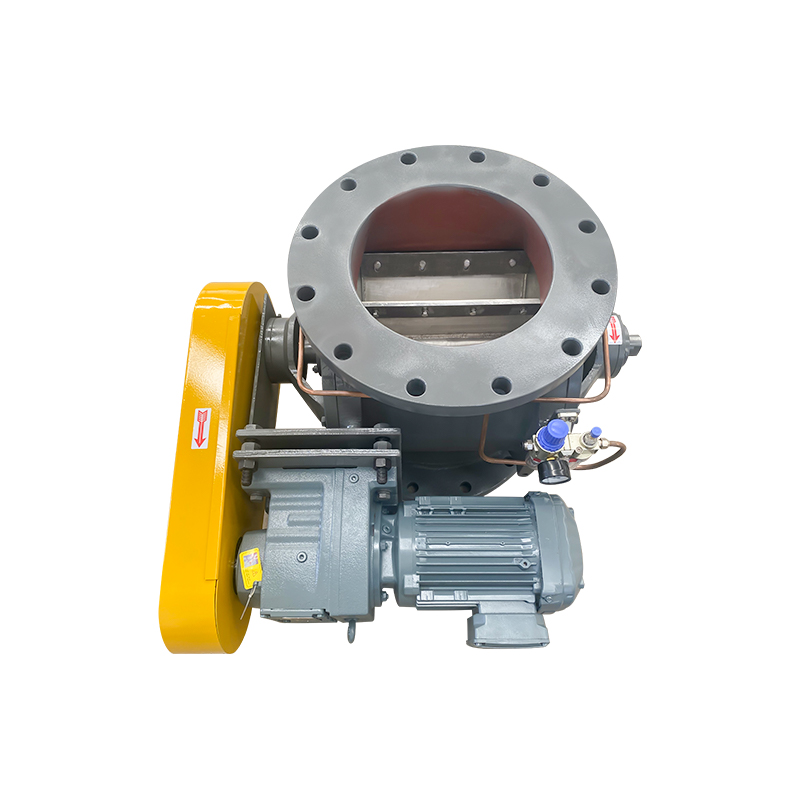
A mechanical seal round port rotary valve — also referred to as a round port rotary airlock valve or rotary feeder — is a precision-engineered device used to meter, feed, and discharge bulk dry materials from hoppers, silos, cyclones, and conveying lines while maintaining a controlled pressure differential between two process zones. Unlike standard square or rectangular port designs, the round port configuration features a circular inlet and outlet opening that closely matches the interior swept volume of the rotor, dramatically reducing the dead zones where material can accumulate, bridge, or degrade. The mechanical seal system replaces conventional packing or lip seal arrangements with a more robust, engineered sealing interface that maintains air tightness and prevents material leakage along the rotor shaft under both positive and negative pressure conditions.
The combination of round port geometry and mechanical shaft sealing addresses two of the most persistent failure modes in rotary valve applications: material hang-up at sharp inlet corners and process air leakage past the rotor shaft ends. Together, these design features make the mechanical seal round port rotary valve the preferred specification for hygroscopic powders, fragile granules, abrasive bulk solids, and any application where contamination control or precise volumetric feeding accuracy is critical to process performance.
Every mechanical seal round port rotary valve integrates several interdependent design elements that must function as a cohesive system to deliver reliable, low-maintenance operation across a wide range of material types and process conditions.
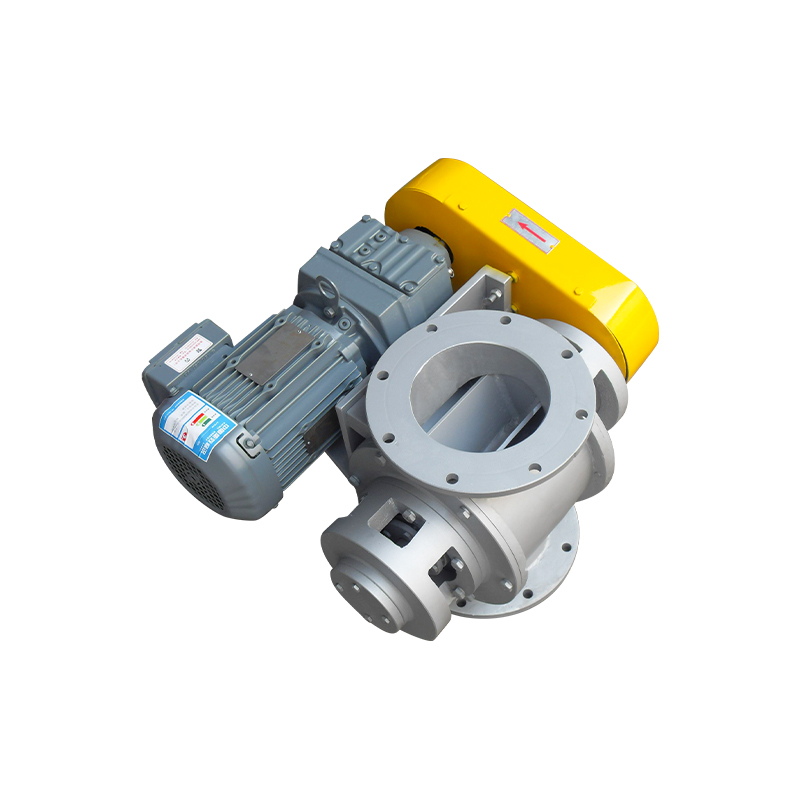
The housing of a round port rotary valve is machined or cast to create a circular inlet flange and corresponding circular outlet flange, connected by a cylindrical bore in which the rotor turns. The round port geometry ensures that bulk material enters the rotor pockets from directly above with minimal directional change, reducing the shear forces that can fracture fragile particles such as coffee beans, pharmaceutical granules, or expanded plastic beads. The absence of right-angle corners at the inlet eliminates the stagnant zones found in square port designs, where cohesive or sticky materials tend to pack and bridge. This is particularly important in food, chemical, and pharmaceutical applications where retained material between batches creates contamination and cleaning validation challenges.
The rotor is the rotating core of the valve, consisting of a central shaft with a series of radial blades — typically between six and twelve — that divide the rotor circumference into equally spaced pockets. As the rotor turns, each pocket sequentially aligns with the inlet, fills with material, carries that material through the housing bore, and discharges it at the outlet. The number, shape, and depth of the rotor pockets determine the valve's volumetric capacity per revolution and its suitability for different material characteristics. Open-ended rotor designs allow long-fiber or stringy materials to pass without jamming; closed-end rotors provide tighter air sealing for pneumatic conveying applications; and drop-through rotors with recessed endplates are used where material bridging across the rotor ends must be prevented.
The defining feature of this valve type is its mechanical seal arrangement on both ends of the rotor shaft. Unlike traditional packed gland seals — which compress soft packing material around the shaft and require periodic re-tightening and replacement — mechanical seals use precision-lapped mating faces (one stationary, one rotating) held in contact by spring force. This face-to-face contact creates a thin, stable sealing film that prevents air and fine powder from migrating along the shaft bore into the bearing housings or the external environment. Mechanical seals maintain consistent sealing performance over a much wider operating life than packing, do not require field adjustment, and are capable of handling both positive pressure (blow-through applications) and negative pressure (vacuum conveying) within specified limits. The seal faces are typically manufactured from combinations of silicon carbide, tungsten carbide, or ceramic paired with carbon graphite, selected based on the chemical and abrasive properties of the process material.
Specifying a mechanical seal round port rotary valve over a standard square port packed seal design delivers measurable improvements across several performance dimensions. The following comparison illustrates where the upgrade is most impactful:
| Performance Factor | Standard Square Port / Packed Seal | Mechanical Seal Round Port |
| Material bridging risk | Higher (corners trap material) | Lower (smooth circular flow path) |
| Particle degradation | Higher shear at corners | Minimized by gentle entry angle |
| Air leakage control | Packing degrades; leakage increases | Stable sealing over full service life |
| Maintenance frequency | Frequent packing adjustment/replacement | Planned seal replacement at long intervals |
| Contamination control | Packing fibers can shed into product | Sealed faces produce no shed debris |
| Pressure differential handling | Limited; packing extrudes under pressure | Rated for specified positive/negative pressure |
| Cleaning and CIP compatibility | Packing absorbs cleaning fluids | Smooth surfaces; CIP-compatible designs available |
The material selection for a mechanical seal round port rotary valve must account for the chemical properties of the bulk solid being handled, the operating temperature range, any regulatory requirements for food or pharmaceutical contact, and the abrasive characteristics of the material that will determine wear rates on rotor tips and housing bore surfaces.
The mechanical seal round port rotary valve is specified across a broad spectrum of industries, each drawing on a specific subset of its performance advantages to solve particular process challenges.
In flour milling, coffee processing, sugar refining, and spice production, the round port geometry minimizes particle breakage and ensures even flow of fragile or irregularly shaped food ingredients. Mechanical seals prevent lubricant migration into the product stream and support CIP cleaning cycles without disassembly. Sanitary design variants with clamp-fit end covers and electropolished internal surfaces allow rapid strip-down for inspection and cleaning validation, meeting FSSC 22000 and BRC audit requirements without process downtime.
Active pharmaceutical ingredients (APIs), excipients, and nutraceutical powders are often highly potent, electrostatically sensitive, or cohesive. The mechanical seal prevents cross-contamination between batches by eliminating the fiber-shedding of packed glands, and the round port design ensures complete pocket emptying at each revolution to prevent residual retention between product changeovers. FDA 21 CFR-compliant elastomers and seal face materials are specified to satisfy drug manufacturing facility validations.
Plastic pellets, polymer powders, pigments, and specialty chemicals are metered from storage silos into blending, extrusion, or reaction systems using mechanical seal round port rotary valves. The ability to handle both positive pressure conveying lines and vacuum systems within a single valve design makes this configuration particularly valuable in complex pneumatic conveying networks where system pressure conditions vary by operating mode. Chemical-resistant seal face materials handle aggressive product chemistry without degradation.
High-abrasion materials including cement clinker, fly ash, calcium carbonate, and silica require hardened internal surfaces and robust mechanical seals rated for dusty, abrasive shaft environments. Round port valves in these applications are frequently specified with replaceable rotor tip strips in hardened steel or ceramic, allowing field refurbishment of worn clearances without replacing the entire rotor assembly — a significant cost advantage in high-tonnage continuous operations.
Correct sizing of a mechanical seal round port rotary valve requires more than matching the inlet port diameter to the existing hopper outlet. A systematic selection process ensures that the valve delivers the required throughput, maintains acceptable air leakage, and operates within its mechanical and thermal limits throughout the planned service life.
One of the most compelling operational arguments for mechanical seal round port rotary valves is their predictable, low-frequency maintenance profile compared to packed seal alternatives. Mechanical seals in dry bulk service — provided the material handled does not contain hard abrasives that attack the seal faces — typically achieve service lives of 8,000 to 20,000 operating hours before replacement is required. This compares favorably to packed gland seals, which commonly require re-tightening every few weeks and full repacking every one to three months in continuous operation.
Planned maintenance for a mechanical seal round port rotary valve should include periodic inspection of rotor tip clearance using feeler gauges (typically at 4,000-hour intervals), bearing lubrication checks and grease renewal per the manufacturer's schedule, and visual inspection of the mechanical seal for signs of leakage — fine powder deposition around the seal housing is the primary indicator of seal face wear or damage. When seal replacement is required, the cartridge-style mechanical seal assemblies used in most modern designs allow seal change-out without removing the rotor or drive, reducing planned maintenance downtime to two to four hours per seal station in most cases. Maintaining a stock of one complete seal set per valve as a critical spare is standard practice in continuous process operations.