

 English
 عربى
عربى
Home / News / Industry News / What Makes Square Port Rotary Valves Essential for High-Performance Engine Induction?
Industry News
Content
Square port rotary valves are a type of induction control mechanism most commonly associated with high-performance two-stroke engines, though variations of the technology appear in industrial fluid and material handling systems as well. In an engine context, the valve consists of a flat or slightly curved disc mounted on the crankshaft that rotates in sync with engine speed. A square-shaped cutout on the disc aligns with a matching port on the carburetor intake, opening and closing the air-fuel passage at precisely timed intervals during each revolution.
Unlike reed valves, which open and close passively based on pressure differentials, or piston-port designs, which rely on the piston skirt to control timing, rotary valves offer fully independent and adjustable timing control. This means engineers can fine-tune intake opening and closing points separately from exhaust and transfer port timing, giving far greater flexibility in optimizing power delivery across the RPM range.
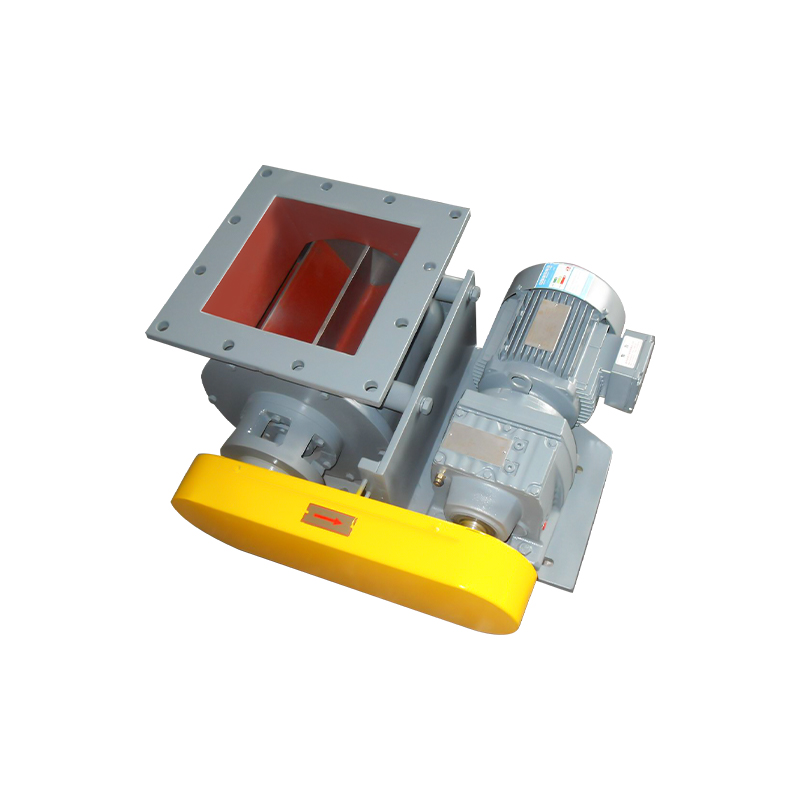
The square port geometry itself plays a critical role in performance. A square or rectangular port shape allows for a larger effective flow area within a compact rotational arc, which translates into stronger low-to-midrange torque without sacrificing top-end breathing. This is a major reason why square port rotary valves remain popular in racing and specialty engine builds despite their added mechanical complexity.
These benefits come with tradeoffs. Rotary valve systems require additional machining precision, a dedicated drive mechanism, and careful sealing to prevent air leaks, all of which increase manufacturing and maintenance costs relative to simpler valve types.
The square port shape must be engineered to balance flow velocity against flow volume. A port that is too large can reduce intake air velocity at low RPM, hurting throttle response, while a port that is too small restricts peak power. Designers typically model port area against crank angle to create a flow curve that matches the intended use case, whether that is a wide-powerband trail engine or a peaky race motor.
Rotary valve discs are commonly manufactured from phenolic composite, fiberglass-reinforced resin, or in some racing applications, lightweight metal alloys. Phenolic and composite materials are favored for their low weight, self-lubricating properties, and resistance to thermal expansion, which helps maintain a consistent seal against the valve housing as engine temperatures fluctuate.
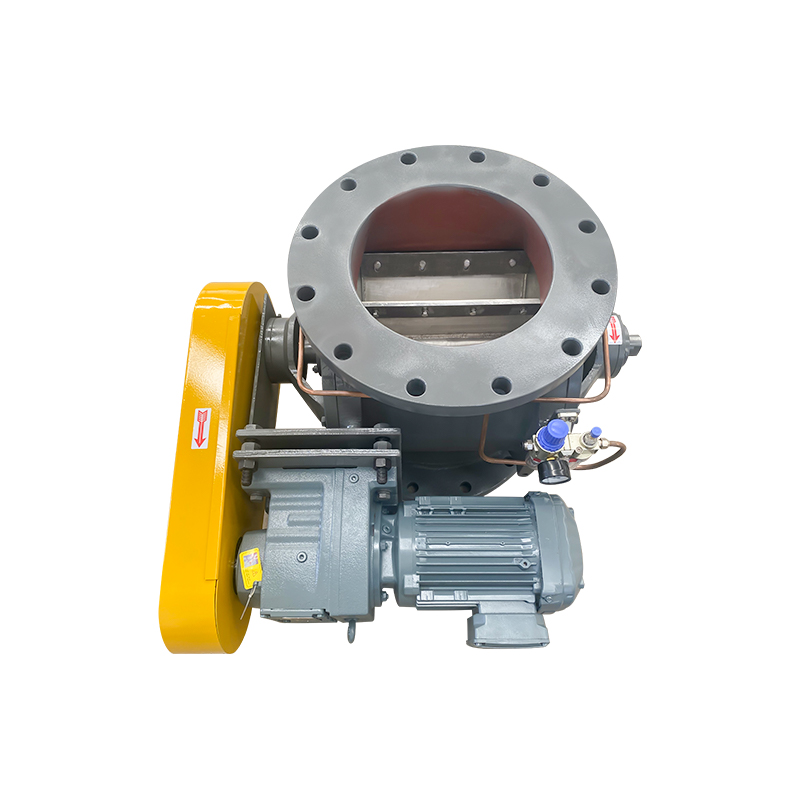
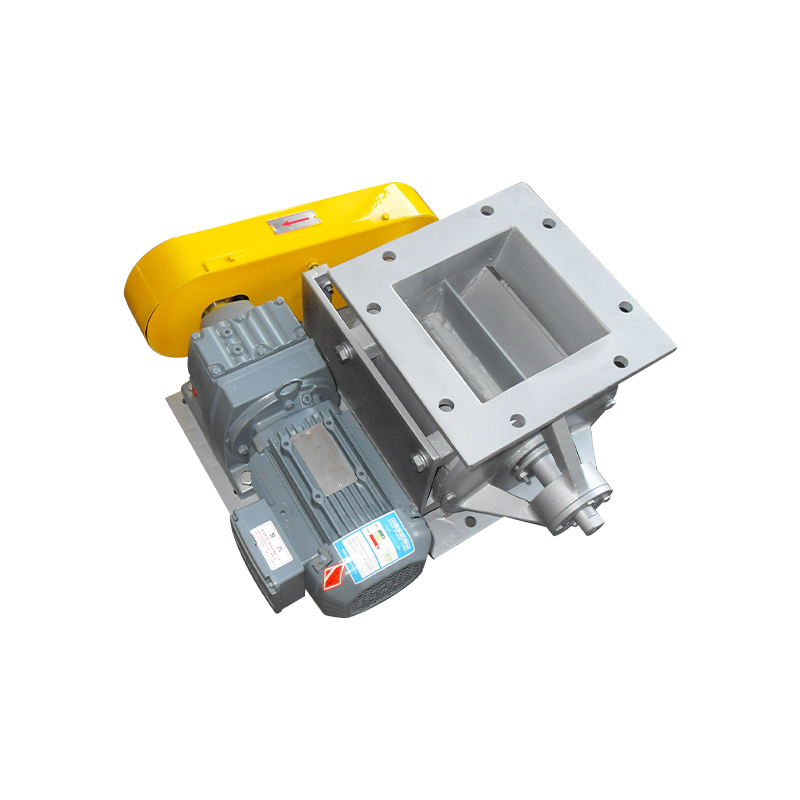
Square port rotary valves are most frequently found in small-displacement two-stroke engines used in motocross, road racing, karting, and vintage motorcycle restoration. They are also used in some snowmobile and personal watercraft engines where strong low-end torque and crisp throttle response are priorities. Outside of engines, similarly named rotary valve mechanisms with square or rectangular ports are used in pneumatic conveying systems to meter bulk solids, though these operate on a different principle centered on airlock sealing rather than combustion timing.
| Application | Primary Benefit | Typical Port Material |
| Motocross Engines | Strong low-end torque | Phenolic composite |
| Road Racing Engines | Adjustable peak power timing | Fiberglass-reinforced resin |
| Karting Engines | Sharp throttle response | Lightweight alloy |
| Vintage Restorations | Authentic factory performance | Original phenolic disc |
Proper installation of a square port rotary valve begins with confirming correct alignment between the disc and the intake port at top dead center, since even a small timing offset can noticeably change how an engine responds off idle. Technicians typically use degree wheels or factory timing marks to set the disc position before final assembly.
Ongoing maintenance should focus on inspecting the valve cover housing for wear, checking the disc for cracks or warping caused by heat cycling, and replacing worn gaskets or seals that could allow unmetered air to enter the crankcase. Because rotary valve engines are sensitive to air leaks, even minor seal degradation can cause lean running conditions, inconsistent idle, or reduced power output.
When a square port rotary valve engine develops a rough idle, bogs on acceleration, or shows inconsistent throttle response, the most common culprits are an air leak at the valve cover, a warped or worn disc, or incorrect port timing following a rebuild. Symptoms like a high-pitched whistling sound near idle often point directly to a housing seal problem, while a flat spot in the midrange power delivery can indicate the disc has worn unevenly against its seat.
Before assuming a carburetor or ignition fault, it is worth removing the valve cover to visually inspect the disc and gasket surfaces, since many performance complaints traced to rotary valve engines originate from this single component rather than the fuel or ignition systems.