

 English
 عربى
عربى
Industry News
Content
- 1 What Is a Quick Cleaning Rotary Valve?
- 2 Why Cleaning Speed Matters in Production Environments
- 3 Key Design Features That Enable Fast Cleaning
- 4 Quick Cleaning Rotary Valve vs. Standard Rotary Valve: A Comparison
- 5 Industries and Applications That Benefit Most
- 6 Selecting the Right Quick Cleaning Rotary Valve
- 7 Maximizing the Return on a Quick Clean Valve Investment
What Is a Quick Cleaning Rotary Valve?
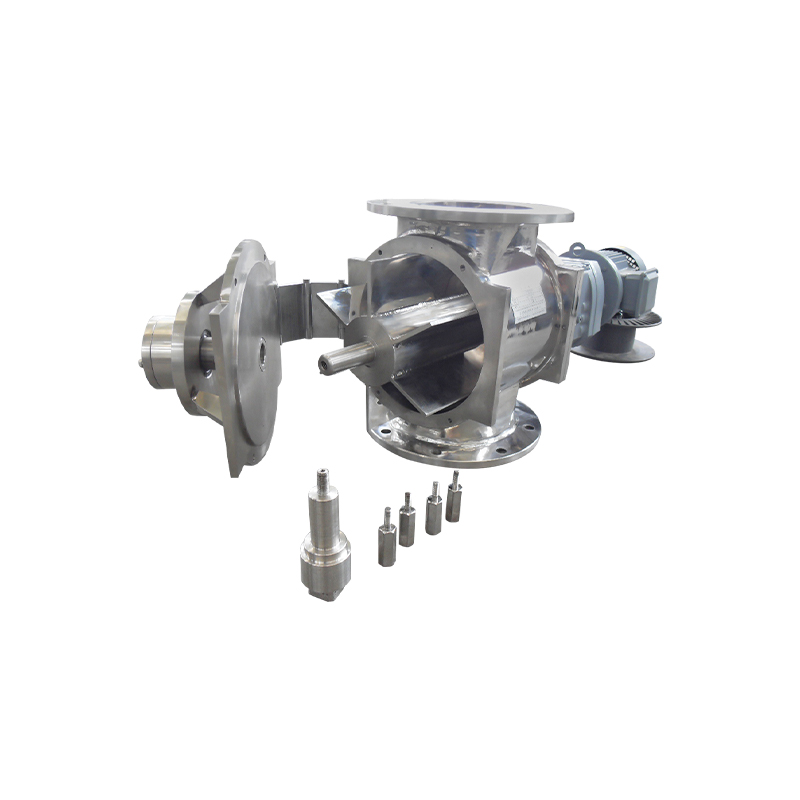
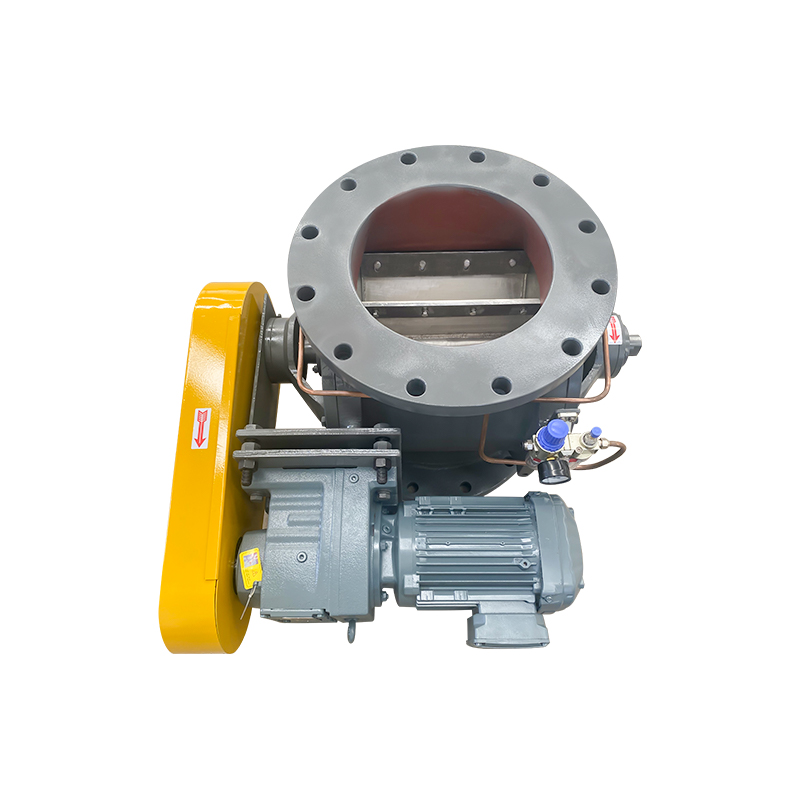
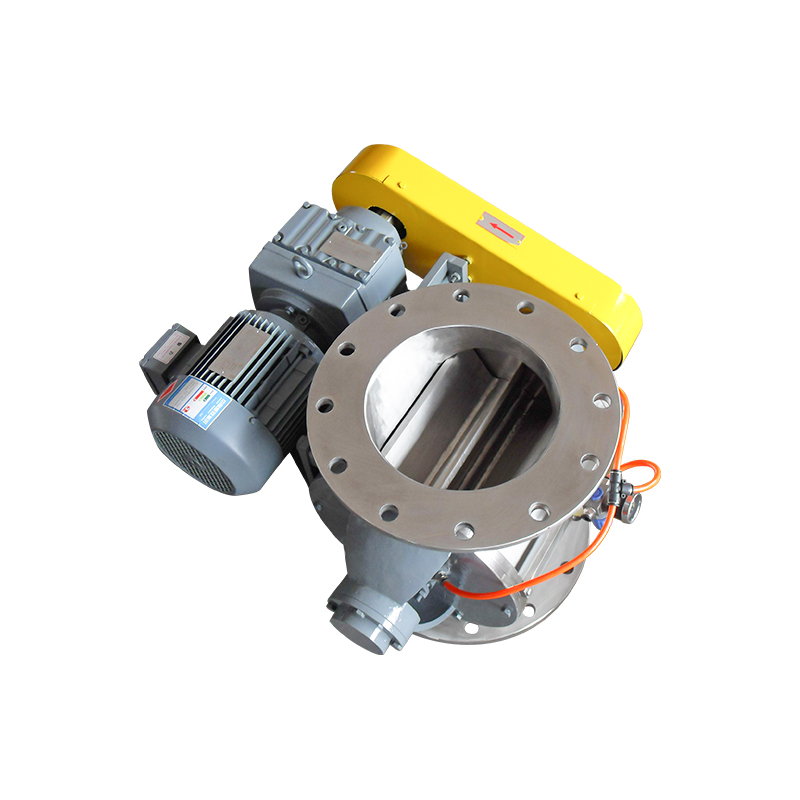
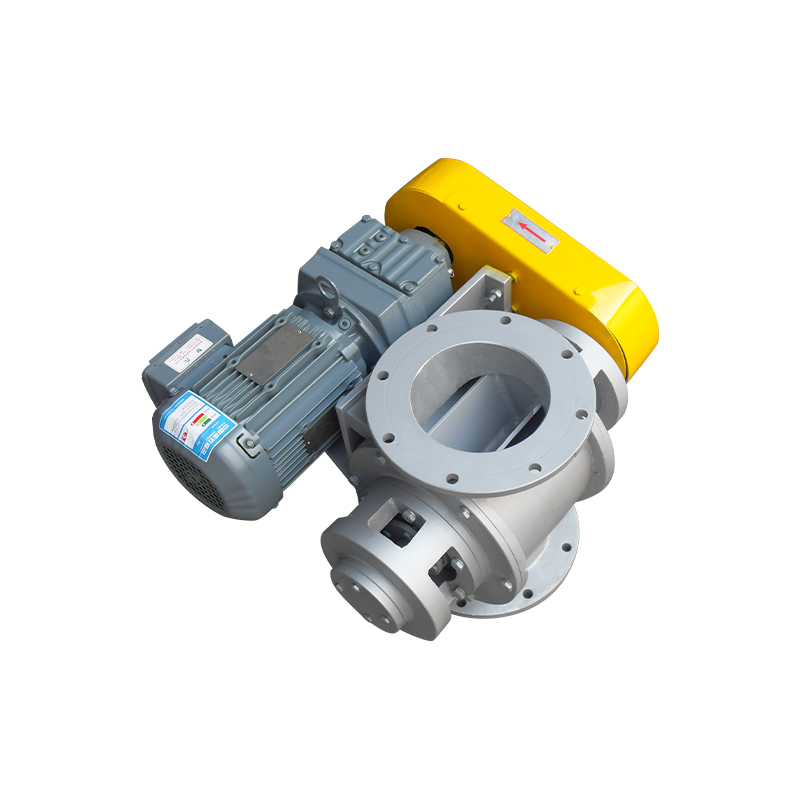
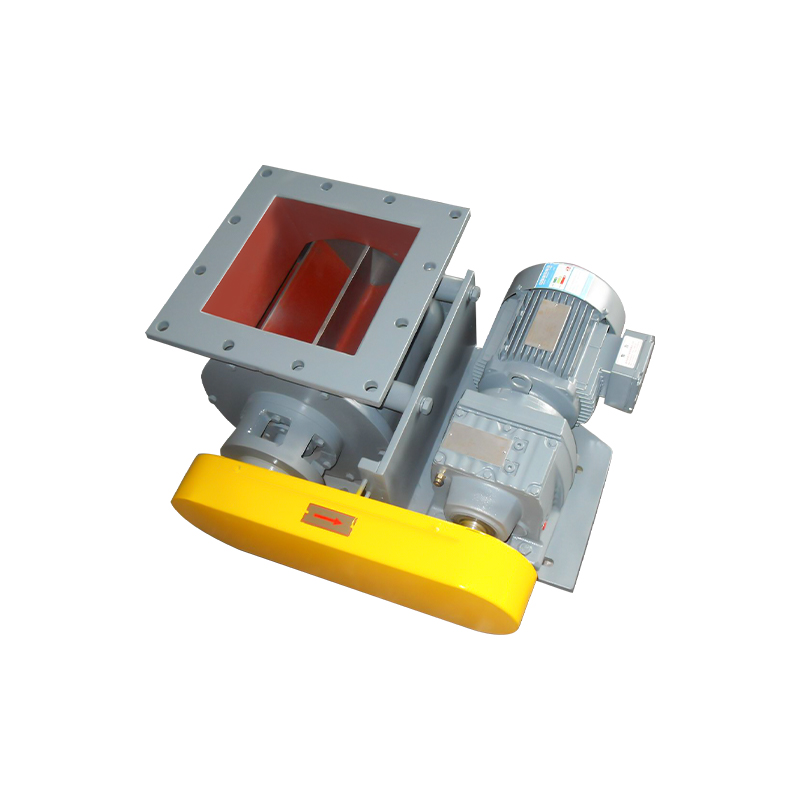
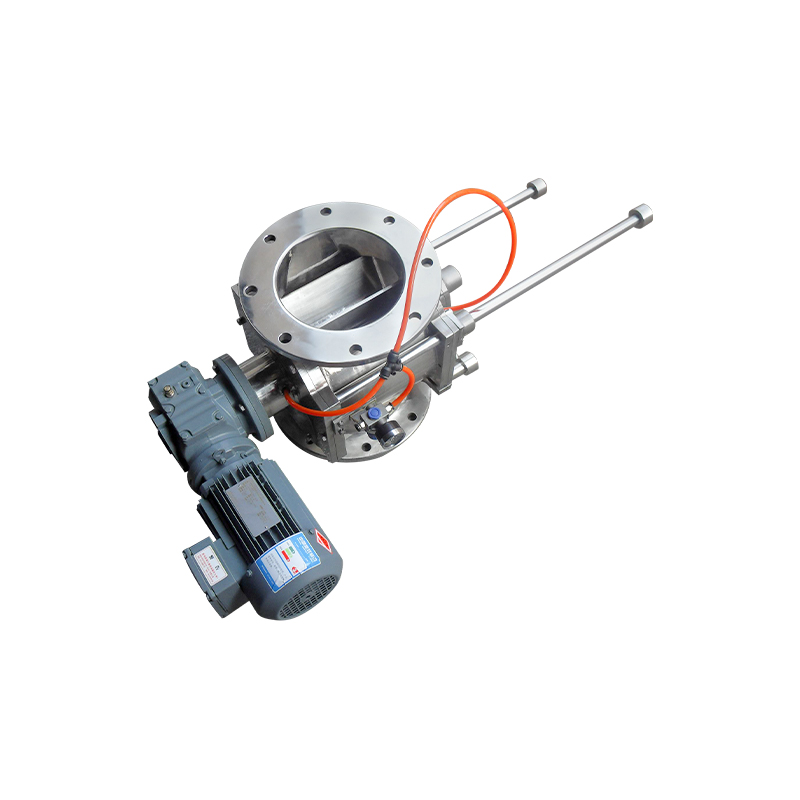
A quick cleaning rotary valve — also referred to as a quick-release or easy-clean rotary airlock valve — is a specialized version of the standard rotary valve designed to be disassembled, cleaned, and reassembled in significantly less time than a conventional unit. The core mechanical function is identical to a standard rotary valve: a driven rotor with multiple pockets rotates inside a close-tolerance housing to meter bulk solids from a hopper, silo, or conveying line while maintaining an airlock seal between zones of different pressure. What distinguishes the quick cleaning variant is its toolless or minimal-tool disassembly system, which typically allows the rotor to be withdrawn from the housing within minutes rather than requiring the removal of bolted end covers, bearing housings, and shaft seals that can take an hour or more on a conventional design.
These valves are produced in carbon steel, stainless steel 304, and stainless steel 316L grades, with the 316L grade being the most common in food, dairy, pharmaceutical, and fine chemical applications where surface finish, corrosion resistance, and compliance with hygiene standards such as EHEDG, 3-A Sanitary Standards, or FDA 21 CFR requirements are mandatory. Internal surfaces are typically electropolished or bead-blasted to achieve Ra values of 0.8 µm or better, minimizing product adhesion and bacterial harborage points.
Why Cleaning Speed Matters in Production Environments
In multi-product manufacturing facilities — particularly those handling food ingredients, nutraceuticals, active pharmaceutical ingredients (APIs), or pigments — every product changeover requires a full cleaning cycle to prevent cross-contamination. A rotary valve sits at a critical point in the process line: it handles material directly and its rotor pockets, end plates, and housing bore all accumulate product residue during normal operation. If cleaning takes two to three hours per valve and a production line contains four or five valves, the total changeover time attributable to valve cleaning alone can exceed ten hours per shift change. This directly erodes production capacity and increases the cost per batch.
Quick cleaning rotary valves address this problem by reducing the disassembly-clean-reassembly cycle to under 30 minutes per valve in well-designed installations, and in some cases to under 15 minutes. The time savings compound across a production week: a facility running three product changeovers per week across five valves could recover 15 to 30 hours of productive time per week simply by upgrading to quick-clean valve designs. For contract manufacturers or toll processors who are billed by the hour, this improvement has a direct and measurable impact on margin.
Key Design Features That Enable Fast Cleaning
Not all valves marketed as "quick clean" offer the same level of disassembly speed or cleaning access. The features that genuinely differentiate high-performance quick cleaning rotary valves from standard designs include the following.
Toolless Rotor Withdrawal
The most important feature in any quick cleaning design is the ability to withdraw the rotor axially from the housing without removing bearing housings or using spanners. This is typically achieved through a quick-release drive coupling — a bayonet, cam-lock, or spring-loaded pin mechanism — that disengages the rotor shaft from the drive unit in a single quarter-turn or push-pull action. Once the coupling is released, the rotor slides out on a set of guide rails or is simply pulled free, giving the operator complete access to all rotor pocket surfaces, the housing bore, and both end faces within seconds of initiating disassembly.
Removable End Covers Without Fasteners
Conventional rotary valves use bolted end covers secured with six to eight bolts per side. Removing and reinstalling these bolts, aligning the cover gasket, and torquing the fasteners to specification is time-consuming and introduces the risk of cross-threaded or over-torqued fasteners. Quick cleaning designs replace bolted end covers with swing-bolt, clamp-ring, or hand-knob fastening systems that apply even clamping force without tools and can be opened and closed in under 60 seconds per cover. Some designs go further and use a single-side extraction principle, where both end covers and the rotor are accessed and removed from one side of the valve, eliminating the need to work on both ends simultaneously.
Flush-Mounted Shaft Seals
Shaft seal design is a major hygiene variable in rotary valves. Standard lip seals or packed gland seals create crevices around the shaft penetration points where product fines and moisture accumulate and are difficult to clean without full seal disassembly. Quick cleaning valves use flush-mounted mechanical seals, labyrinth seals, or inflatable seals that present a smooth, uninterrupted surface to the product zone and can be cleaned in place (CIP) or quickly exchanged as part of the rotor withdrawal sequence. Inflatable seal designs are particularly effective: when pressurized, the seal contacts the shaft to prevent product leakage during operation; when deflated for cleaning, it retracts to create a gap that allows cleaning solution to flow freely around the shaft without disassembly.
Quick Cleaning Rotary Valve vs. Standard Rotary Valve: A Comparison
| Feature | Standard Rotary Valve | Quick Cleaning Rotary Valve |
| Disassembly time | 60–120 minutes | 10–30 minutes |
| Tools required | Spanners, torque wrench, lifting equipment | None or minimal hand tools |
| End cover fastening | Bolted (6–8 bolts per side) | Clamp ring, swing bolt, or hand knob |
| Rotor removal | Requires bearing housing removal | Axial withdrawal via quick-release coupling |
| Shaft seal access | Full disassembly needed | CIP-compatible or removed with rotor |
| Typical surface finish | Ra 1.6–3.2 µm | Ra 0.4–0.8 µm (electropolished) |
| Hygienic certification | Not typically certified | EHEDG, 3-A, FDA 21 CFR available |
Industries and Applications That Benefit Most
Quick cleaning rotary valves are not universally necessary. In single-product, continuous-production environments such as cement conveying or grain storage, the cleaning frequency is low enough that a standard valve with bolted end covers is entirely adequate. The investment in quick-clean design is justified where cleaning frequency is high, contamination risk is significant, or regulatory compliance demands verifiable hygiene standards. The following sectors represent the most active application areas:
- Food and beverage manufacturing, including flour milling, confectionery, spice processing, dairy powder handling, and snack production, where allergen control and multi-product changeovers require rapid and verifiable cleaning between production runs.
- Pharmaceutical and nutraceutical production, where API cross-contamination or excipient residue can compromise product safety and batch release testing, making toolless, fully inspectable valve disassembly a quality assurance requirement rather than a convenience.
- Fine chemical and pigment manufacturing, where product color or chemical contamination between batches is commercially unacceptable and cleaning validation must be documentable for regulatory or customer audit purposes.
- Cannabis and botanical extract processing, where strict GMP environments and small batch sizes mean that cleaning labor as a percentage of production time is disproportionately high, and every hour saved in changeover directly improves the economics of small-batch manufacturing.
Selecting the Right Quick Cleaning Rotary Valve
Choosing a quick cleaning rotary valve requires the same process engineering inputs as any rotary valve selection, plus additional evaluation of the disassembly mechanism, material certifications, and cleanability verification. The key parameters to define before approaching a supplier are the bulk material characteristics (particle size, bulk density, abrasiveness, moisture content, and flowability), the required throughput in kilograms per hour, the differential pressure across the valve, the housing inlet and outlet dimensions, and the drive motor specification.
Beyond these standard parameters, evaluate the following hygiene-specific criteria when specifying a quick clean unit:
- Confirm that all product-contact surfaces are manufactured from the correct material grade and carry the applicable food or pharmaceutical certifications. Request material test certificates (MTC) for all stainless steel components and documentation of surface finish verification (Ra measurements) for critical surfaces.
- Ask the manufacturer to demonstrate the disassembly sequence either in person or via video. A valve marketed as quick-clean should be demonstrably disassembled to full rotor removal in under 15 minutes by a single operator without tools. If the demonstration requires specialized fixtures or two operators, the design does not deliver on its claim in real production conditions.
- Verify that the rotor tip clearance specification is compatible with the abrasiveness of the handled material. Quick cleaning valves in food-grade service typically use open-ended or drop-through rotors with slightly larger tip clearances (0.1–0.3 mm) than precision-clearance valves, accepting a minor reduction in airlock efficiency in exchange for reduced wear and extended cleaning intervals.
- Evaluate the shaft seal replacement procedure and the availability of spare seal kits. Inflatable and mechanical seals in quick-clean designs have finite service lives and must be replaceable in the field without returning the valve to the manufacturer. Confirm that spare seal kits are stocked locally or available on short lead times to avoid extended downtime when seal replacement becomes necessary.
Maximizing the Return on a Quick Clean Valve Investment
The financial case for quick cleaning rotary valves is strongest when the cleaning time savings are actively captured in production scheduling rather than simply absorbed as slack. To realize the full value, work with the production planning team to quantify the current changeover time attributable to valve cleaning, calculate the additional batches or production hours that a 50–70% reduction in cleaning time would unlock per month, and use that figure to build the capital justification for the valve upgrade. In facilities running two or more product changeovers per day, the payback period for premium quick-clean valves over standard units is frequently under 12 months when labor, downtime, and cleaning chemical costs are included in the calculation.
Operator training is equally important. The speed advantage of a quick-clean design is only realized consistently if operators follow the correct disassembly sequence, handle the rotor correctly to avoid damaging the blade edges or sealing surfaces, apply the appropriate cleaning protocol for the product being removed, and reassemble the valve with the correct seal compression and coupling engagement. A laminated quick-reference card posted at each valve station, combined with a short initial training session, is usually sufficient to ensure consistent performance across shifts and between different operators.