

 English
 عربى
عربى
Home / News / Industry News / What Makes an Anti-Jamming Rotary Valve the Right Choice for Your Bulk Handling System?
Industry News
Content
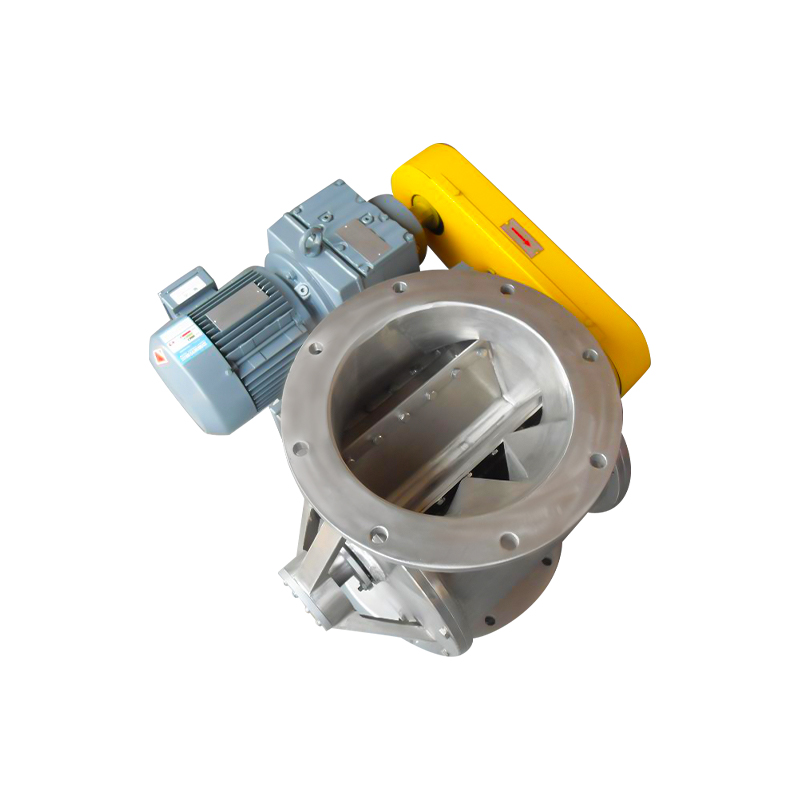
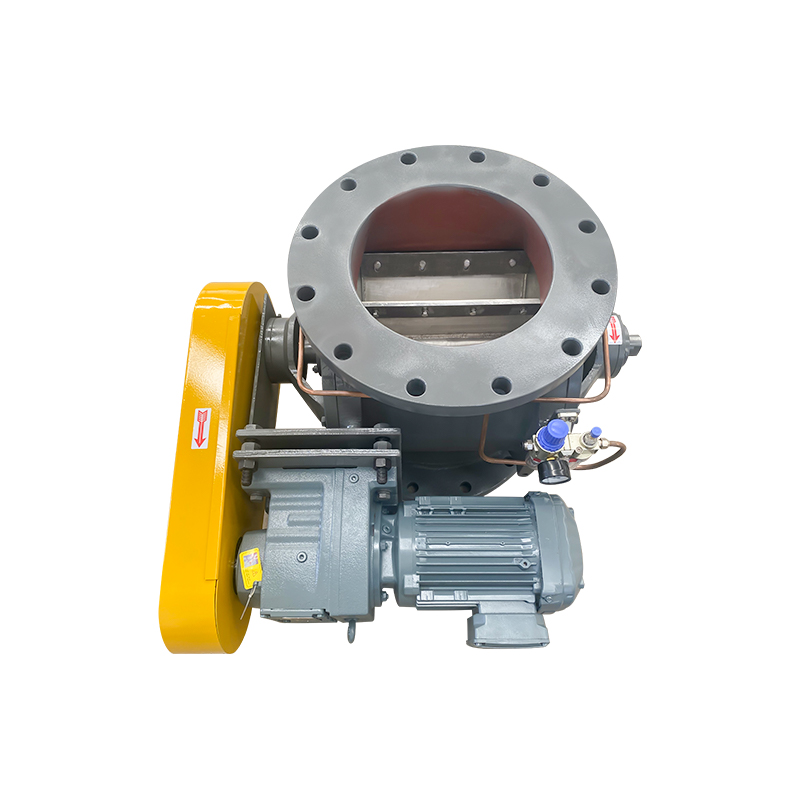
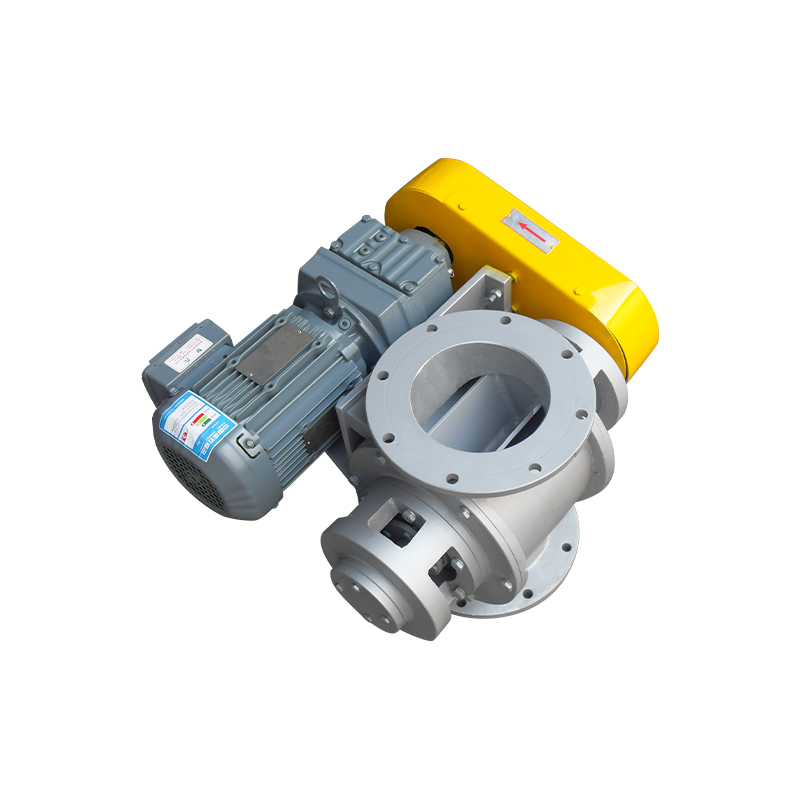
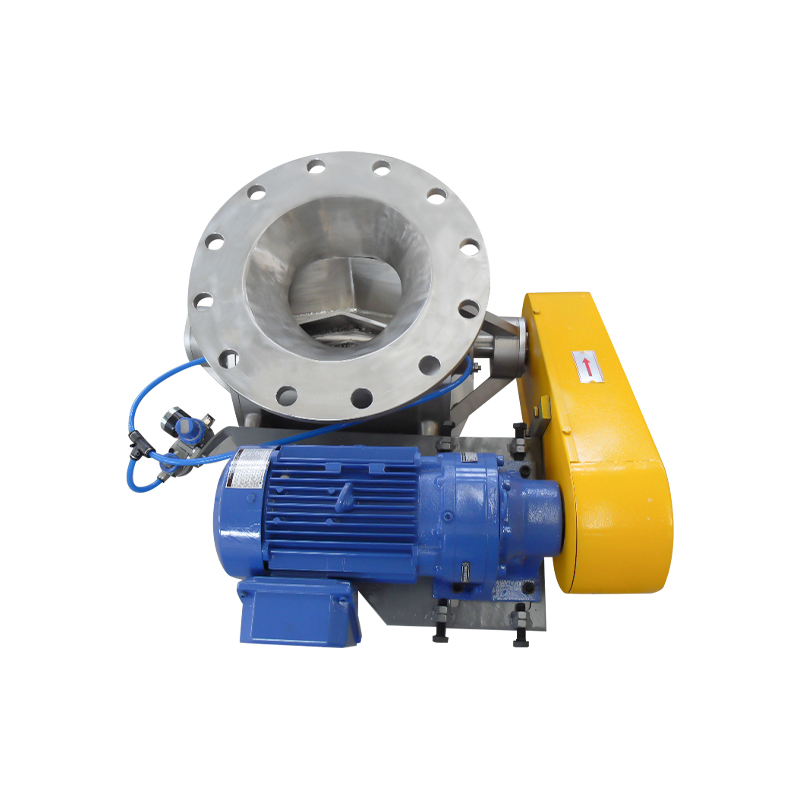
Rotary valves — also called rotary airlock valves or cellular wheel sluices — are among the most widely used components in pneumatic conveying systems, dust collection installations, and bulk solids handling equipment. They meter and discharge bulk materials from hoppers, cyclones, and silos while maintaining a pressure differential between the process vessel above and the conveying line or atmosphere below. In applications involving fibrous materials, large particles, sticky powders, or mixed-size bulk solids, a standard rotary valve is highly prone to jamming — a condition where material becomes wedged between the rotor tip and the valve housing, stalling the rotor and halting the process. Anti-jamming rotary valves are specifically engineered to prevent or rapidly clear these blockages, and understanding how they achieve this — and what design features matter most for different applications — is essential knowledge for process engineers, maintenance teams, and equipment specifiers working with challenging bulk materials.
A standard rotary valve works on a simple principle: a multi-vane rotor turns continuously within a close-tolerance cylindrical housing, and material falls by gravity into the open pockets between the rotor vanes as each pocket rotates under the inlet opening. As the rotor continues to turn, the filled pocket moves around to the outlet and discharges the material under gravity or pneumatic conveying pressure. The rotor tip clearance — the gap between the rotor blade tip and the housing bore — is typically 0.1–0.3 mm in a standard valve, kept as small as possible to minimize air leakage from the high-pressure outlet side back to the low-pressure inlet side.
Jamming occurs when a particle or fiber strand enters this tip clearance gap and becomes mechanically trapped between the rotor tip and the housing wall as the rotor continues to turn. The driving torque of the motor attempts to force the particle through the gap, but if the particle is hard, large, or sufficiently rigid, it resists compression and the rotor stalls. Even a momentary jam causes an immediate process interruption — the pneumatic conveying line downstream loses its material supply, the vessel upstream begins to overfill, and the entire system must be shut down for manual clearing.
The frequency and severity of jamming events depend directly on the material being handled. Fibrous materials such as wood chips, straw, tobacco, recycled paper fiber, and plastic regrind are particularly prone to jamming because individual fibers or strands can bridge across the tip clearance and tighten as the rotor turns. Coarse granular materials with irregular particle shapes — including some food ingredients, chemical granules, and mineral products — also jam frequently when oversize particles or agglomerates enter the valve. Even materials that are nominally free-flowing can jam if they contain occasional lumps, foreign matter, or incompletely broken agglomerates from upstream processes.
Anti-jamming rotary valves address the jamming problem through several distinct engineering approaches, and different product designs may use one or more of these approaches simultaneously. Understanding the underlying principle of each approach helps specifiers evaluate whether a given anti-jamming valve design is appropriate for their specific material and application.
The most common anti-jamming mechanism is a torque-monitoring control system that detects when the rotor load increases above a set threshold — indicating an incipient or actual jam — and automatically reverses the rotor rotation direction for a brief period (typically 1–3 seconds) before resuming forward rotation. This kick-back motion dislodges the trapped particle or fiber by reversing the mechanical force applied at the tip clearance, allowing the material to fall back into the valve pocket rather than being ground into the gap. The kick-back cycle may repeat several times if the first reversal does not clear the jam, and after a defined number of unsuccessful cycles, the control system raises an alarm and initiates a controlled shutdown.
Kick-back systems are effective for fibrous and irregular materials and can be retrofitted to existing valves with standard rotors by adding a reversible drive motor and the torque-monitoring control logic. Their limitation is that they react to a jam after it has occurred — there is a brief interruption to material flow during each kick-back event, which can cause minor process disturbances in sensitive pneumatic conveying systems.
A more proactive anti-jamming approach modifies the rotor geometry to eliminate or reduce the nip-point geometry that causes particles to wedge in the tip clearance. Two principal modifications are used. First, the rotor blade tips can be chamfered or given a swept-back profile rather than a square-edged tip, so that the blade approaches the housing bore at an acute angle rather than perpendicular. This geometry tends to deflect particles back into the rotor pocket rather than trapping them in the clearance gap. Second, the rotor can be designed with a reduced number of vanes (typically 4–6 vanes rather than the 8–10 used in standard valves), creating larger pockets that accommodate larger particle sizes and reduce the frequency with which oversize particles encounter the tip clearance zone.
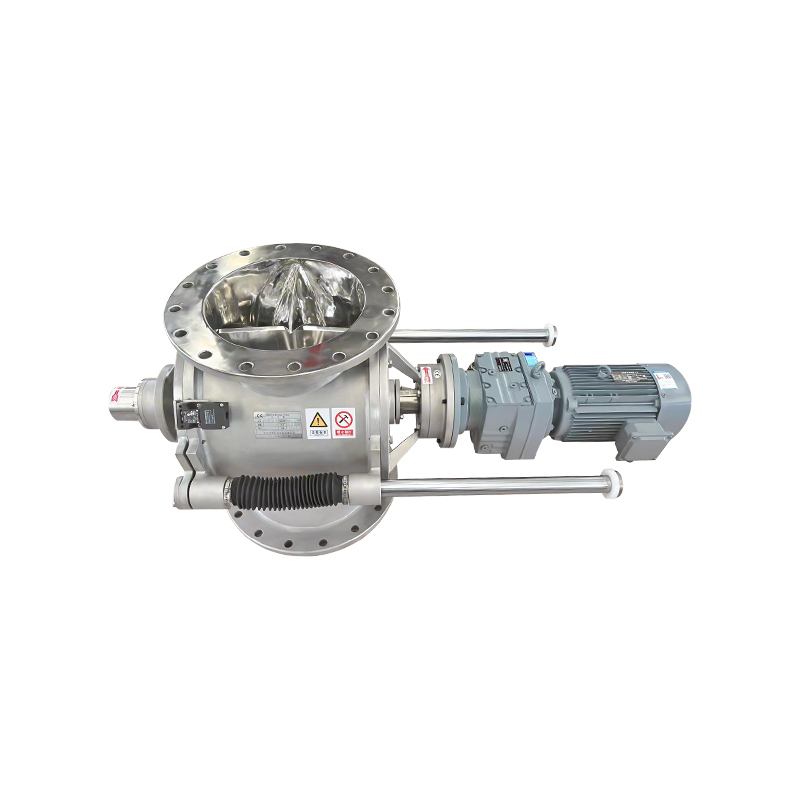
Some anti-jamming rotary valve designs allow the tip clearance to be adjusted — either manually during maintenance or automatically during operation — to accommodate varying material characteristics. Valves with adjustable end plates or eccentric bearing housings allow the rotor position within the housing to be shifted slightly, increasing the tip clearance when jamming-prone materials are being processed and returning to tight clearance for air-sealing efficiency when the material changes. This adjustability provides operational flexibility but requires more attentive setup and maintenance than fixed-clearance designs.
Drop-through rotary valves discharge material through the bottom of the housing by gravity, with the rotor turning in a conventional direction. Blow-through rotary valves have the pneumatic conveying air passing directly through the housing, sweeping discharged material out of the pockets and into the conveying line as each pocket rotates past the air inlet. Blow-through designs are inherently less prone to jamming than drop-through designs because the continuous air sweep keeps the valve interior clean and prevents material from packing into the pockets between the inlet and outlet ports. For fibrous or sticky materials in pneumatic conveying applications, blow-through anti-jamming valves represent the highest-performance option.
| Specification | Typical Range | Why It Matters |
| Rotor diameter | 100 mm – 600 mm | Determines throughput capacity and max particle size |
| Pocket volume per revolution | 0.5L – 50L per revolution | Sets the volumetric throughput at rated RPM |
| Drive motor power | 0.37 kW – 11 kW | Must provide adequate torque for material bulk density and jamming resistance |
| Rotor tip clearance | 0.1 mm – 1.0 mm (adjustable in some designs) | Affects air leakage and jamming susceptibility |
| Max operating temperature | Up to 250°C (standard); higher with special seals | Must suit process temperature at the valve inlet |
| Pressure differential rating | Up to 0.5 bar (standard); higher in special designs | Must exceed the operating pressure differential across the valve |
| Housing and rotor material | Cast iron, mild steel, stainless steel (304/316) | Must be compatible with material abrasivity, hygiene requirements, and corrosion conditions |
The optimal anti-jamming rotary valve design is not the same for every application — material characteristics, process conditions, and regulatory requirements all influence which valve features are most important. The following application categories illustrate how selection priorities shift between different industries and materials.
Wood chip, sawdust, and biomass handling represents one of the most demanding applications for anti-jamming rotary valves. The material contains a wide size distribution — from fine dust to chips and occasional oversize pieces — and includes fibrous elements that readily bridge and entangle. Anti-jamming valves for biomass applications typically combine a kick-back drive system with a wide-pocket rotor (4–6 vanes) and an oversize inlet opening. The housing and rotor are commonly fabricated in mild steel with hard-facing applied to the rotor blade tips and housing bore in the wear zone, as wood chip and biomass materials are moderately abrasive. Magnetic separators upstream of the valve are recommended to prevent metal contamination — nails, screws, and wire — from entering the valve and causing damage during kick-back events.
Anti-jamming rotary valves in food and pharmaceutical applications must combine jam-resistance with hygienic design — smooth internal surfaces, no dead zones where product can accumulate and contaminate, and quick-release end covers that allow the rotor to be removed and cleaned without tools between product changeovers. Stainless steel 316L construction with polished internal surfaces (Ra ≤ 0.8 μm) and FDA-compliant elastomer seals is standard. The kick-back mechanism must be designed so that the rotor reversal does not cause product degradation — for fragile food particles, very short, low-torque kick-back cycles are preferred over high-torque reversals that could crush or damage the material.
Recycled materials — shredded plastic, paper fiber, textile waste, and mixed waste streams — are among the most challenging applications for any rotary valve due to their highly variable particle size, irregular geometry, and tendency to include occasional oversize pieces that passed through upstream size reduction equipment. Anti-jamming valves for recycling applications require the highest available torque ratings, robust kick-back control with multiple reversal attempts before alarm, and heavy-duty construction with replaceable wear liners in the high-wear zones. Some operators install a vibrating screen or trommel upstream of the valve to remove oversize material before it reaches the valve inlet.
The effectiveness of a kick-back anti-jamming system depends entirely on the drive system and control logic, and these elements deserve as much attention during valve selection as the mechanical design of the valve body itself. The drive motor must be reversible — either a three-phase AC motor with a reversing contactor, or a motor driven by a variable frequency drive (VFD) capable of reversing rotation on command. VFD-driven systems offer significant advantages for anti-jamming applications: they provide precise torque monitoring through motor current measurement, allow soft-start and soft-stop to reduce mechanical shock during kick-back events, and enable continuous adjustment of rotor speed to optimize the balance between throughput and jamming risk for each material.
The control logic for the anti-jamming cycle should be adjustable for the following parameters: the current threshold at which a jam is detected, the duration of each kick-back reversal, the number of reversal attempts before alarm, and the delay between successive reversal attempts. These parameters require tuning for each application during commissioning — the optimum settings for a valve handling fine pharmaceutical powder are completely different from those for a valve handling wood chips, and factory default settings are rarely optimal for any specific application.
Anti-jamming rotary valves handle inherently difficult materials that accelerate wear, and a structured maintenance program is essential to maintain jam-resistance performance and prevent unplanned shutdowns.