

 English
 عربى
عربى
Industry News
Content
- 1 What Makes Square Port Rotary Valves Different from Standard Designs?
- 2 How the Square Port Design Improves Material Flow
- 3 Key Components of a Square Port Rotary Valve
- 4 Industries and Applications That Benefit Most
- 5 Comparing Square Port vs. Round Port Rotary Valves
- 6 Critical Specifications to Review Before Purchasing
- 7 Maintenance Practices That Extend Service Life
- 8 Sourcing and Evaluating Suppliers
What Makes Square Port Rotary Valves Different from Standard Designs?
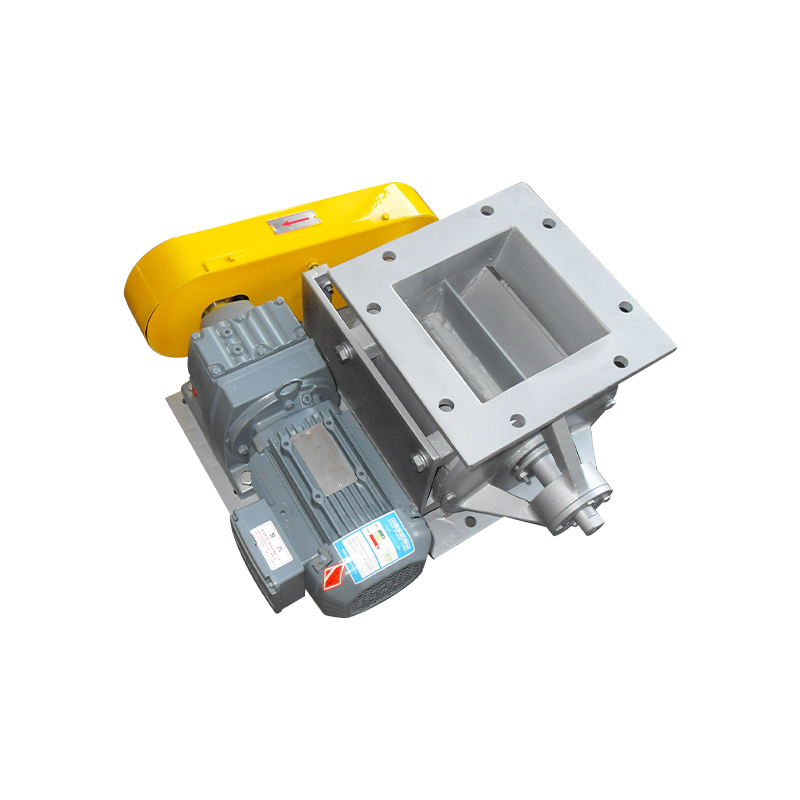
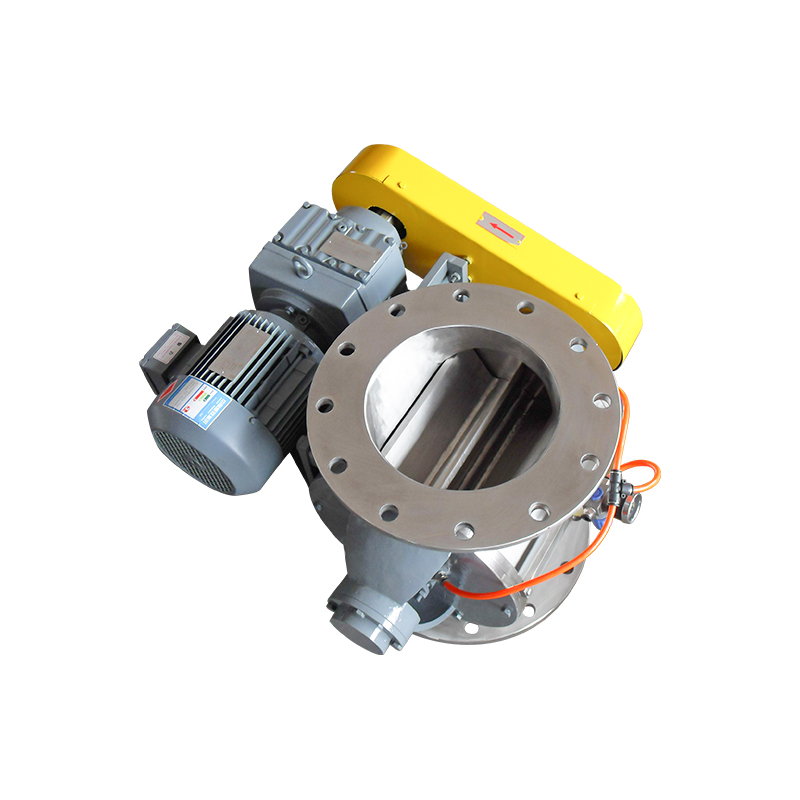
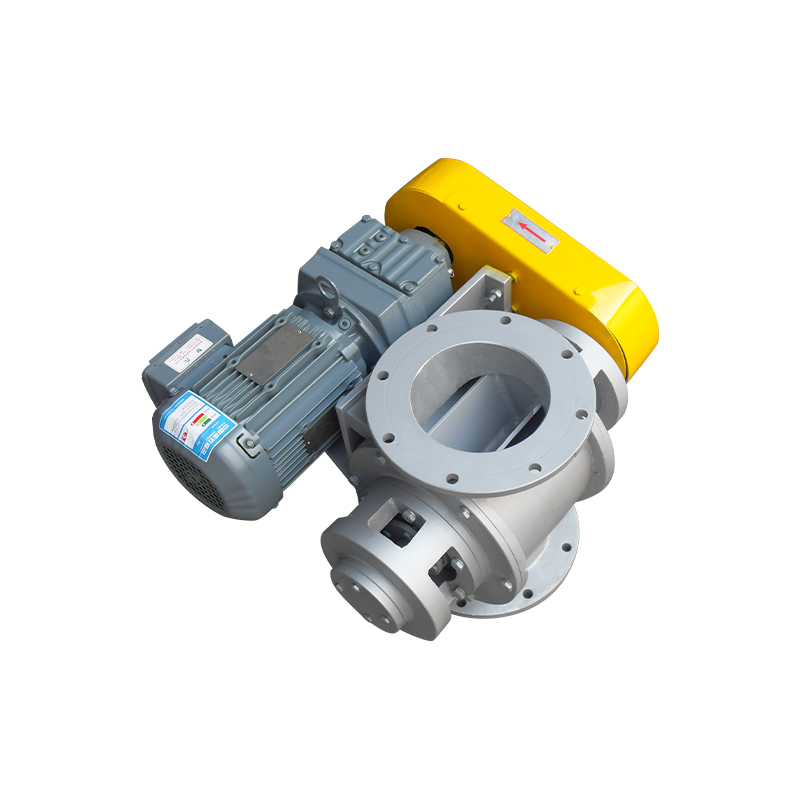
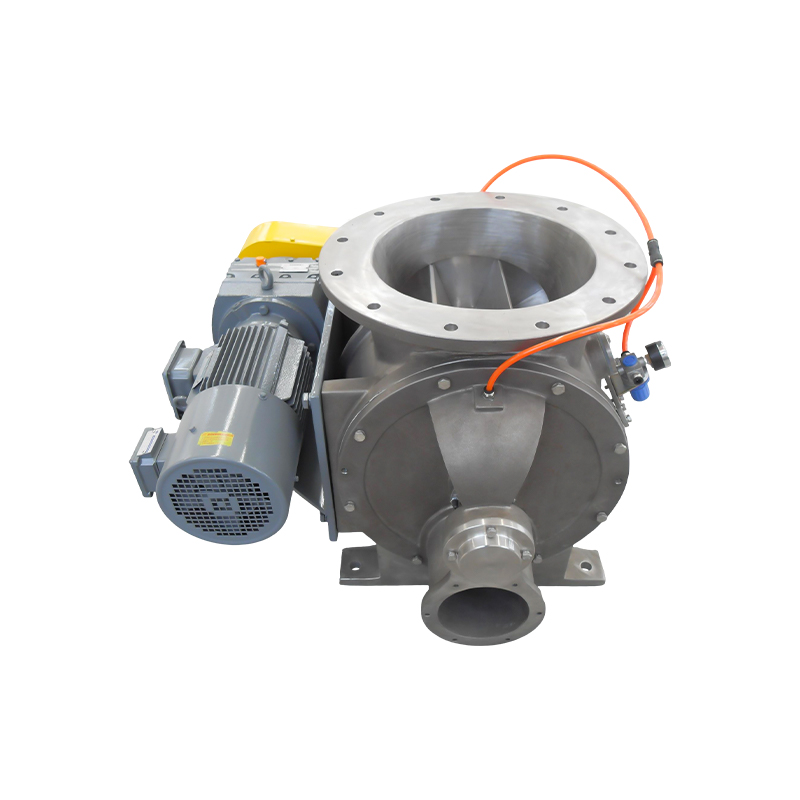
Rotary valves — also called rotary airlock valves or rotary feeders — are mechanical devices used to meter, control, and discharge bulk materials from hoppers, silos, cyclones, and pneumatic conveying systems while maintaining an air pressure differential. The "square port" designation refers to the shape of the inlet and outlet openings on the valve body, which are square rather than round. This seemingly simple geometric difference has significant practical consequences for how material flows through the valve, how the rotor performs under load, and how the valve integrates with upstream and downstream equipment.
In a standard round port rotary valve, the circular opening limits the cross-sectional area available for material entry relative to the overall size of the valve housing. A square port, by contrast, maximizes the opening area within the same housing footprint, allowing more material to fall freely into each rotor pocket on every revolution. This means that for a given rotor diameter, a square port configuration can achieve higher throughput rates and more consistent volumetric feeding than its round port counterpart. For industries handling large volumes of granular, powdered, or pelletized bulk solids, this distinction directly impacts production efficiency and system design.
How the Square Port Design Improves Material Flow
Material flow in a rotary valve depends on how reliably and completely each rotor pocket fills as it passes under the inlet port. With a round port, the narrowing geometry at the sides of the opening can create bridging or arching tendencies, particularly with irregularly shaped or cohesive materials. The square port eliminates this by presenting a flat, wide opening that aligns more naturally with the rectangular profile of many hoppers and duct transitions, reducing the chance of dead zones where material can stagnate.
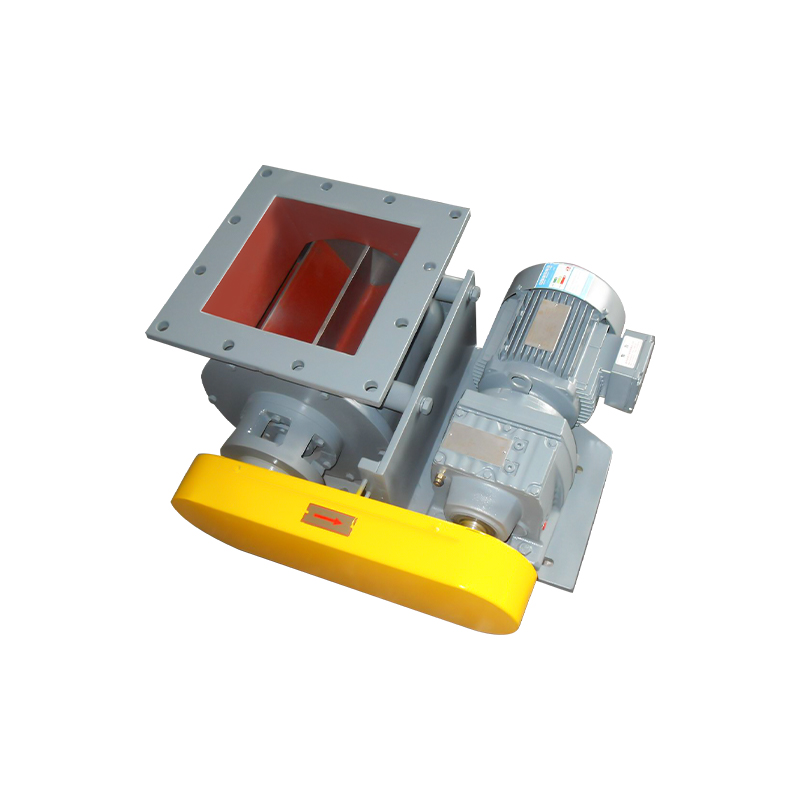
The square geometry also benefits the discharge side of the valve. Material exits each pocket more completely because the pocket is fully exposed across the width of the square outlet before the rotor blade sweeps it closed again. This reduces product carryback — the unwanted retention of material on rotor tips or in pockets after discharge — which is a common source of contamination and wear in round port designs. For sensitive applications such as food processing or pharmaceutical ingredient handling, minimizing carryback is not just a performance issue but a hygiene and product integrity concern.
Key Components of a Square Port Rotary Valve
Understanding the construction of a square port rotary valve helps buyers and engineers specify the right unit for their application. The main components include:
- Valve Body (Housing): The outer casing that contains the rotor and defines the inlet and outlet port geometry. In square port valves, the body is machined or cast with square flanged openings on the top and bottom to match standard duct or hopper flanges.
- Rotor: The rotating element fitted with blades (vanes) that divide the interior into pockets. Rotor designs vary — open-end, closed-end, and adjustable-tip rotors each suit different material types and pressure requirements.
- End Plates: Side plates that seal the rotor ends and maintain clearance tolerances. Proper clearance is critical — too tight causes wear; too loose allows excessive air leakage.
- Drive Assembly: Typically a gearmotor connected via a direct or chain drive. Speed is adjustable to control feed rate, usually between 5 and 30 RPM for most industrial applications.
- Shaft Seals: Prevent material from leaking out along the rotor shaft. Options include packing glands, lip seals, and labyrinth seals depending on material characteristics and sanitary requirements.
Material selection for these components varies based on abrasiveness, temperature, and chemical compatibility. Carbon steel is standard for general industrial use, while 304 or 316 stainless steel is required for food, dairy, and pharmaceutical applications. Hardened or coated rotors are recommended for abrasive materials like fly ash, cement, or mineral powders.
Industries and Applications That Benefit Most
Square port rotary valves are specified across a wide range of industries where consistent bulk material handling is critical. The table below outlines the most common sectors and their typical applications:
| Industry | Typical Materials Handled | Key Requirement |
| Food Processing | Flour, sugar, starch, spices, grains | Sanitary design, easy cleaning |
| Chemical Processing | Pigments, resins, plastic pellets | Chemical resistance, pressure sealing |
| Power Generation | Fly ash, bottom ash, coal dust | Abrasion resistance, high temperature |
| Pharmaceuticals | Active ingredients, excipients | Contamination control, precision dosing |
| Cement & Minerals | Cement, lime, silica, sand | Heavy-duty construction, wear liners |
| Agriculture | Seeds, feed pellets, fertilizer | Gentle handling, low breakage |
In each of these sectors, the square port geometry contributes to more reliable filling of rotor pockets, which directly supports consistent feed rates — a critical factor for downstream process control, blending accuracy, and packaging line synchronization.
Comparing Square Port vs. Round Port Rotary Valves
Engineers frequently face the decision between square port and round port valves when designing or upgrading bulk material handling systems. The choice should be driven by specific process requirements rather than assumptions about one being universally superior.
When Square Port Is the Better Choice
Square port valves are generally preferred when throughput maximization is a priority, when the upstream hopper or transition piece has a rectangular or square cross-section that naturally matches the port geometry, and when handling free-flowing granular materials that benefit from the full-width opening. They are also preferred when integrating with screw conveyors, drag conveyors, or rectangular ductwork where square flanged connections simplify installation and reduce the need for transition adapters.
When Round Port May Be Preferred
Round port valves are more commonly specified in pneumatic conveying systems where the connecting ductwork is circular, as the round geometry minimizes turbulence at the inlet and outlet connections. They also tend to offer slightly better airlock performance at high pressure differentials due to the uniform geometry that makes sealing more predictable. For applications where the conveying line diameter is the controlling dimension — such as dense-phase pneumatic systems — a round port valve aligns more naturally with system design.
Critical Specifications to Review Before Purchasing
Selecting the correct square port rotary valve requires a systematic review of process parameters. Purchasing based on price or housing size alone frequently results in premature wear, poor feed consistency, or costly modifications. The following specifications should be confirmed before finalizing a purchase:
- Port Size: Square port dimensions (e.g., 6"×6", 8"×8", 12"×12") must match the flange dimensions of the hopper outlet and receiving equipment. Mismatched flanges require custom adapters that add cost and potential leak points.
- Rotor Pocket Volume and Speed: Volumetric capacity is determined by pocket size multiplied by the number of pockets and RPM. Calculate required throughput in cubic feet per hour or cubic meters per hour and confirm the valve can meet this at a comfortable operating speed — not at maximum RPM, which reduces service life.
- Operating Pressure Differential: The pressure difference between the inlet and outlet sides of the valve determines how much air leakage occurs and how much torque the drive must overcome. Standard valves handle up to 1 PSI; heavy-duty versions can manage 15 PSI or more with appropriate rotor tip and end plate clearances.
- Material Bulk Density and Abrasiveness: Heavier or more abrasive materials require thicker housing walls, hardened rotor tips, and higher-torque drives. Specifying a valve rated for light powder when handling dense abrasive minerals will result in rapid failure.
- Temperature Range: High-temperature applications — such as discharging material from thermal dryers or kilns — require valves with heat-resistant seals, expanded clearances to account for thermal growth, and sometimes water-jacketed housings for cooling.
Maintenance Practices That Extend Service Life
Square port rotary valves are built for long service life, but only when maintained according to manufacturer recommendations and process demands. The most common failure modes are rotor tip wear, bearing failure, and seal degradation — all of which are preventable with proactive maintenance routines.
Rotor tip clearance should be checked at regular intervals — typically every 500 to 1,000 operating hours depending on material abrasiveness. As tips wear, the gap between the rotor and housing wall increases, allowing more air to bypass the valve and reducing both efficiency and pressure differential control. Many manufacturers offer adjustable rotor tip designs or replaceable tip inserts that can restore clearance without requiring full rotor replacement, significantly reducing maintenance cost and downtime.
Bearings should be lubricated on schedule using the grease type and quantity specified by the manufacturer — over-greasing is as damaging as under-greasing, as excess grease can contaminate product in food-grade applications or cause overheating in sealed bearing housings. Shaft seals should be inspected for material leakage or dusting at the shaft ends, which indicates seal wear and potential bearing contamination risk.
For food and pharmaceutical applications, a cleanability audit should be part of routine maintenance. Disassemble the valve according to the manufacturer's procedure, inspect all pocket surfaces for product buildup or residue, and verify that no cracks or corrosion are developing in weld seams or rotor blade edges. Stainless steel valves with polished interior finishes are significantly easier to clean and inspect than standard carbon steel units.
Sourcing and Evaluating Suppliers
The square port rotary valve market includes both specialized bulk handling equipment manufacturers and general industrial valve suppliers. When evaluating suppliers, prioritize those who offer application engineering support — the ability to review your process parameters and recommend the correct valve configuration — rather than those who simply list catalog items by size. Reputable manufacturers will request data on material characteristics, throughput requirements, pressure conditions, and installation constraints before recommending a specific model.
Ask for references from similar applications and request performance data such as air leakage rates at specified pressure differentials and rotor tip wear rates for comparable materials. Lead times for standard configurations typically range from two to six weeks, while custom configurations — special materials of construction, non-standard port sizes, or explosion-proof drive assemblies — may require eight to sixteen weeks. Factoring this into project timelines prevents costly delays during system commissioning. Spare parts availability is another critical consideration; valves from suppliers with strong regional distributor networks minimize downtime when replacement components are needed urgently.