

 English
 عربى
عربى
Home / News / Industry News / How Do Anti Jamming Rotary Valves Prevent Downtime in Bulk Material Handling?
Industry News
Content
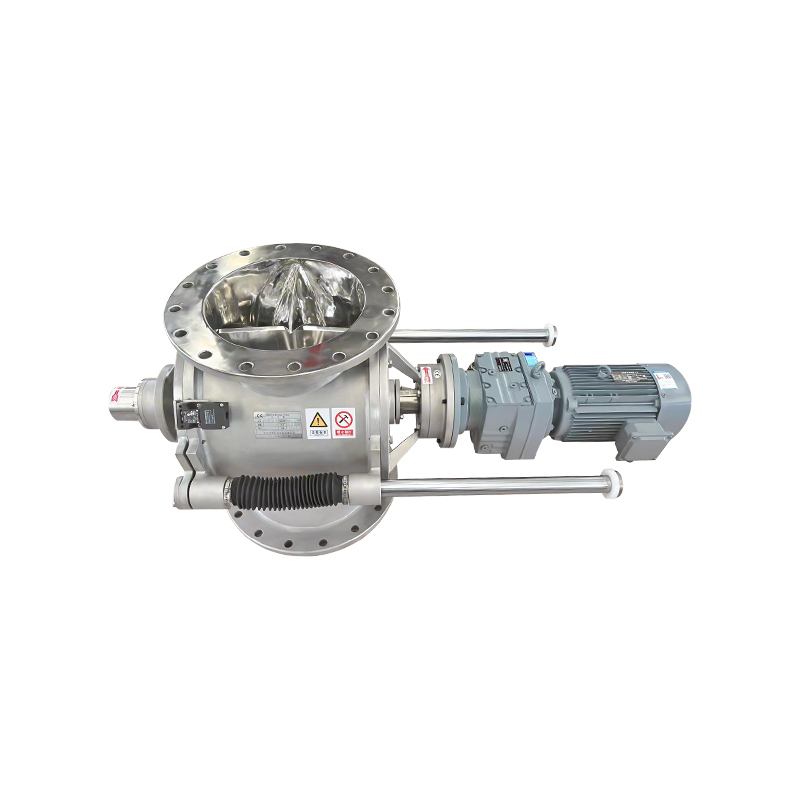
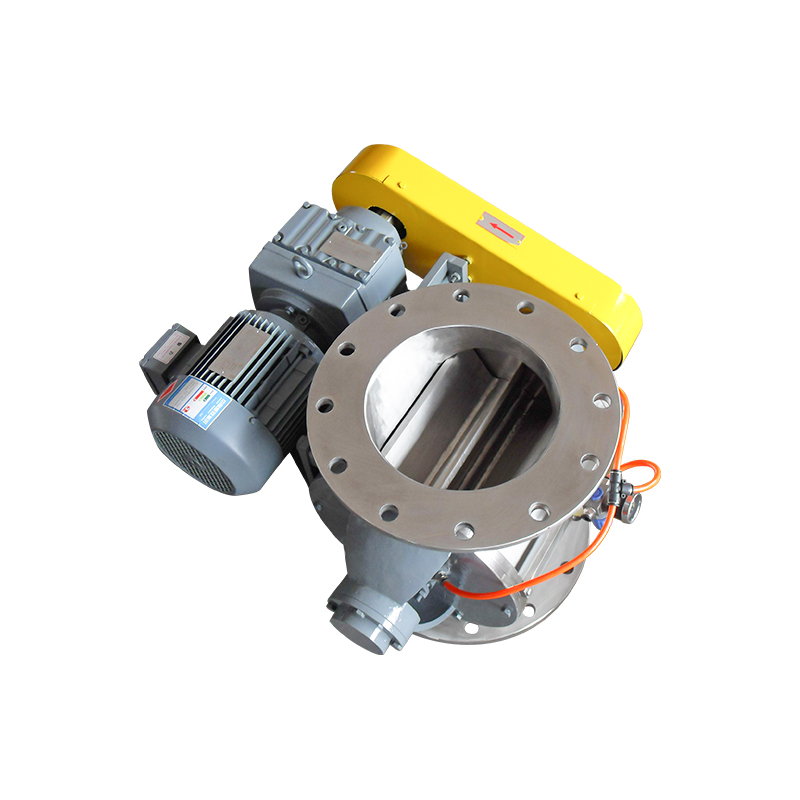
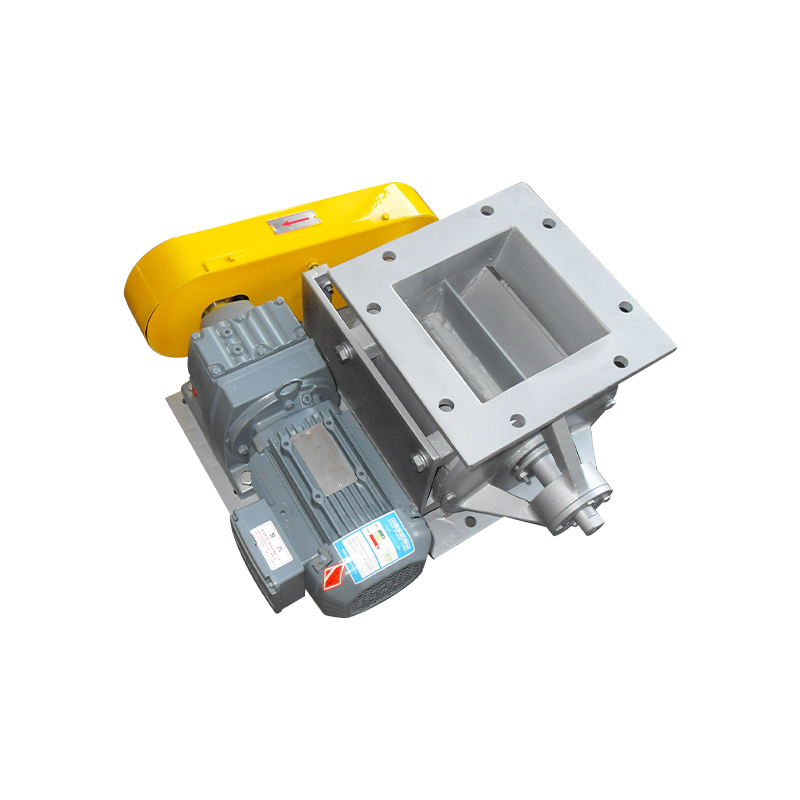
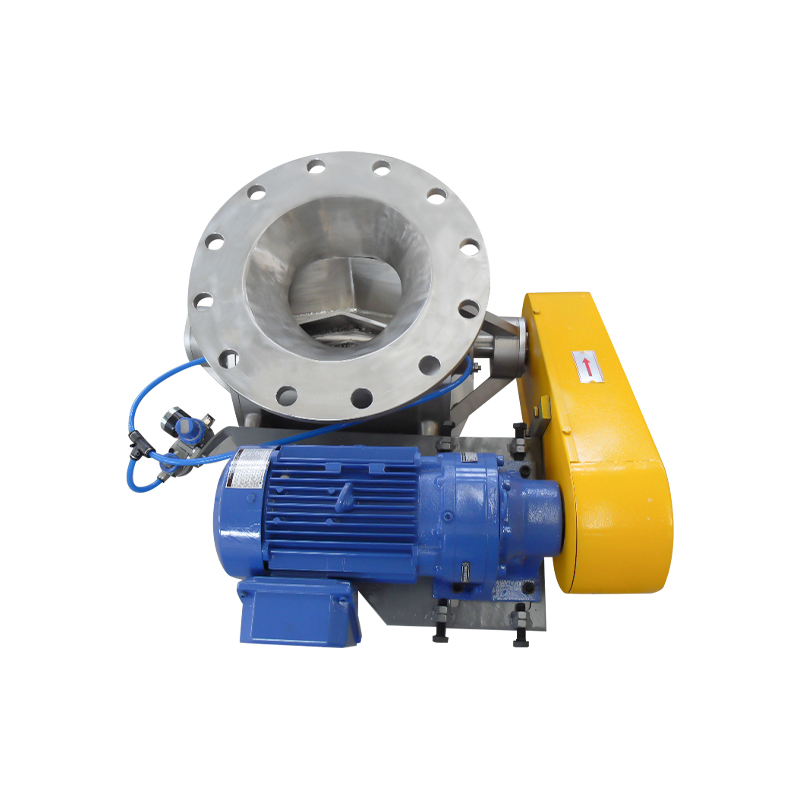
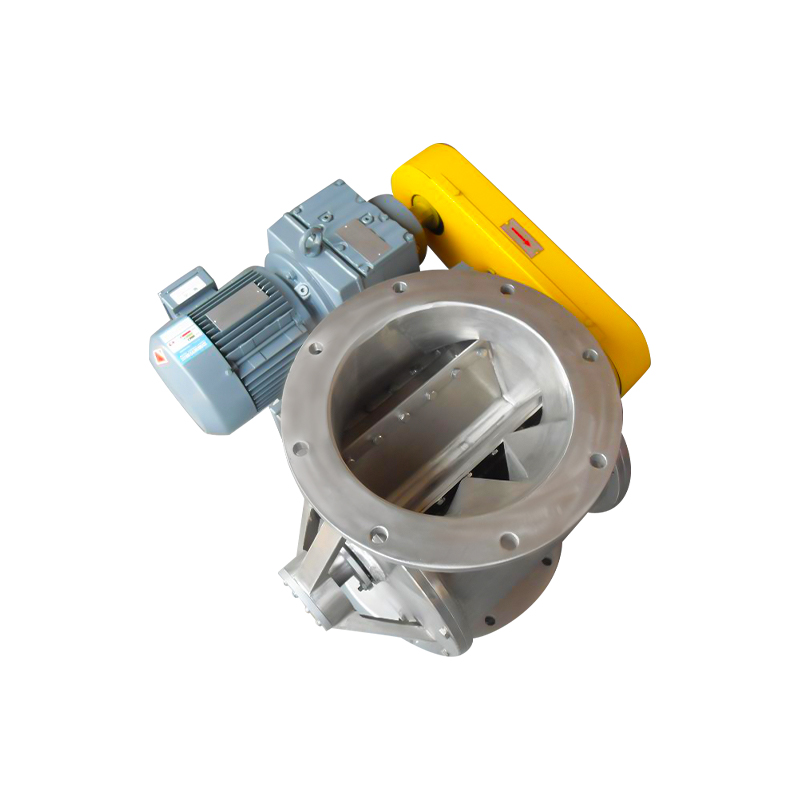
Anti jamming rotary valves are specialized mechanical devices used to regulate the flow of bulk materials, such as powders, granules, and pellets, between different sections of a processing system while minimizing the risk of blockages caused by foreign objects, oversized particles, or material buildup. These valves feature a rotor with pockets that turns within a closely fitted housing, moving material from an inlet to an outlet in controlled, metered increments. Unlike standard rotary valves, anti jamming variants incorporate additional design features specifically intended to detect or physically prevent obstructions from damaging the rotor or halting production.
In industries where continuous material flow is essential to maintaining production schedules, an unexpected jam can lead to significant downtime, product loss, and costly equipment repairs. Anti jamming rotary valves address this vulnerability directly, making them a valuable investment for facilities handling abrasive, sticky, or inconsistent bulk materials on a regular basis.
Several engineering approaches are used to reduce jamming risk in rotary valve systems. One common method involves spring-loaded or hinged rotor blades that can flex or retract slightly when an oversized object passes through, allowing the obstruction to move through the valve without causing a hard stop or structural damage. Once the object clears the rotor, the blade returns to its original position, resuming normal operation without requiring manual intervention.
Another approach relies on torque-limiting drive systems, such as shear pins or slip clutches, which disengage the rotor's rotation if resistance exceeds a preset threshold. This prevents the motor and gearbox from continuing to apply force against a jammed rotor, protecting the drive train from damage while alerting operators that intervention is needed. Some advanced systems combine both flexible rotor design and torque-limiting protection for maximum reliability in demanding material handling environments.
When evaluating anti jamming rotary valves, several design elements directly influence how effectively the valve will perform under real-world operating conditions:
These features work together to reduce both the frequency and severity of jamming incidents, minimizing unplanned downtime across continuous production operations.
Understanding what typically causes jamming helps operators select the right valve design and implement preventive measures. Common contributing factors include foreign debris entering the material stream, such as packaging fragments or tramp metal, as well as material bridging, where fine powders compact and form arches that block flow into the rotor pockets. Moisture-sensitive materials can also clump together under humid conditions, creating dense masses that resist normal rotor movement and increase mechanical stress on the valve.
Inconsistent particle size within the material stream further compounds these risks, since a mix of fine powder and larger chunks can create uneven loading across the rotor pockets, increasing the likelihood of localized jamming at specific points during operation.
The table below outlines key differences between standard rotary valves and their anti jamming counterparts, helping buyers understand the practical tradeoffs involved in selecting each type.
FeatureStandard Rotary ValveAnti Jamming Rotary ValveRotor DesignFixed, rigid bladesFlexible or spring-loaded bladesOverload ProtectionLimited or noneTorque-limiting drive systemsMaintenance FrequencyHigher due to jam-related repairsLower with fewer unplanned stoppagesInitial CostLowerHigher, offset by reduced downtime
While anti jamming valves typically carry a higher upfront cost, the reduction in unplanned downtime and repair expenses often justifies the investment for facilities handling challenging or inconsistent bulk materials.
Anti jamming rotary valves are used across a wide range of industries where reliable bulk material flow control is essential:
In each of these settings, minimizing jamming incidents directly supports production efficiency and reduces the labor costs associated with manual clearing and equipment repair.
Understanding the specific properties of the material being handled, including particle size distribution, moisture sensitivity, and abrasiveness, is essential for selecting a valve with appropriate rotor design and wear-resistant components suited to that material's behavior.
Valve sizing must align with the required material throughput for the system, since an undersized valve can create bottlenecks while an oversized valve may lead to inefficient operation and increased wear from processing material below its optimal capacity range.
Systems operating under vacuum or pressure conditions require valves with appropriate sealing capabilities to maintain system integrity while still allowing the anti jamming mechanism to function effectively without compromising the overall pressure differential across the valve.
Routine inspection of rotor blades, seals, and drive components helps identify early signs of wear before they lead to more significant performance issues or unplanned jamming events. Checking torque-limiting mechanisms periodically ensures they remain properly calibrated, since a misadjusted overload protection system may either trigger too frequently, interrupting normal operation, or fail to activate when genuinely needed.
Establishing a regular cleaning schedule, particularly for materials prone to buildup or clumping, further reduces the risk of residue accumulation that could contribute to jamming over time. Keeping detailed maintenance records also helps facilities identify recurring issues tied to specific material batches or operating conditions, allowing for more targeted process adjustments going forward.