


 English
 عربى
عربى
Home / Products
Custom Rotary Star Feeders
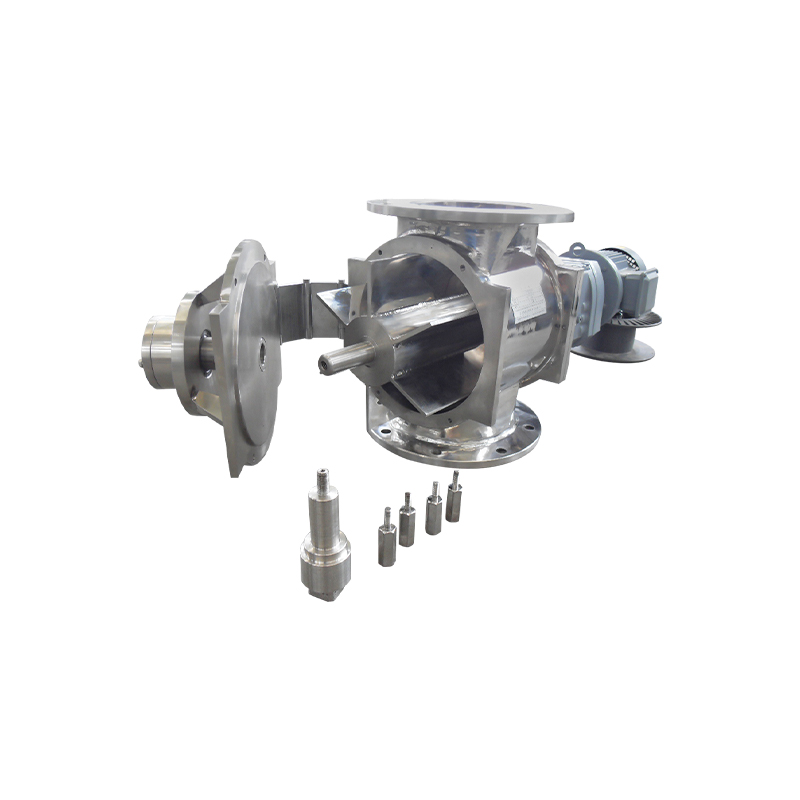
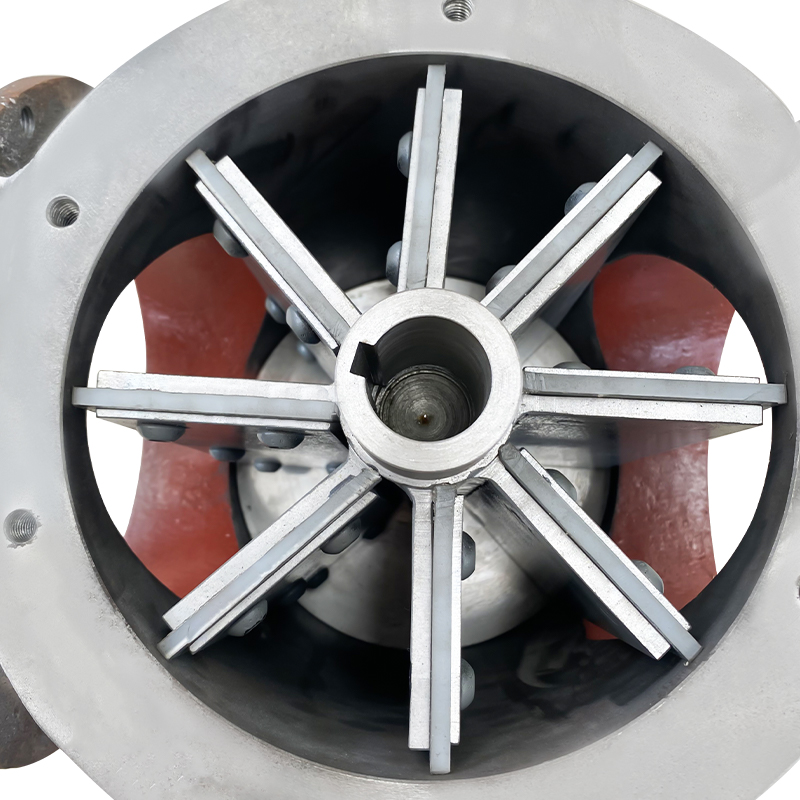
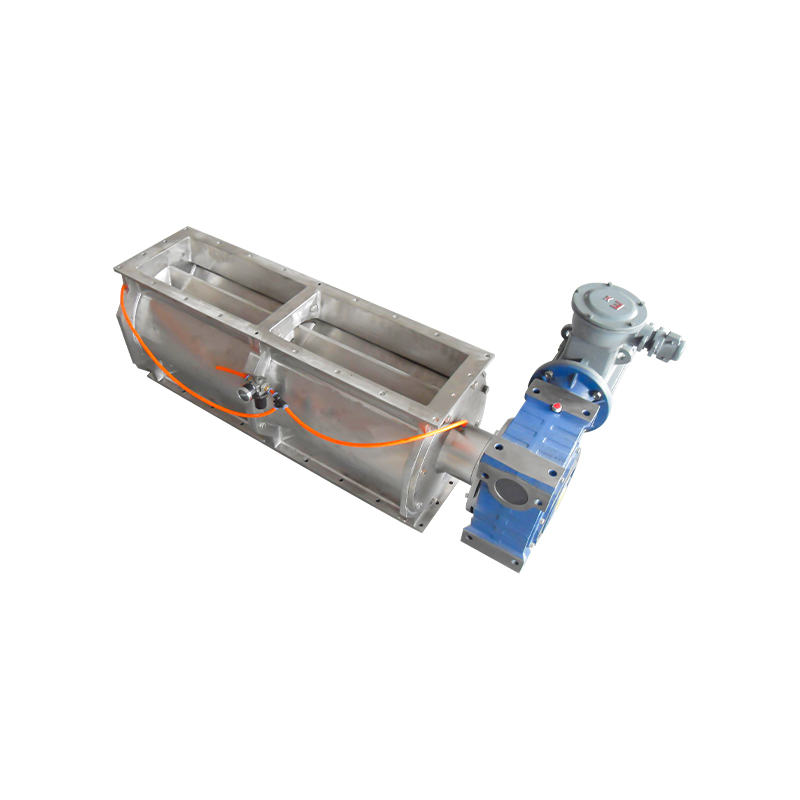
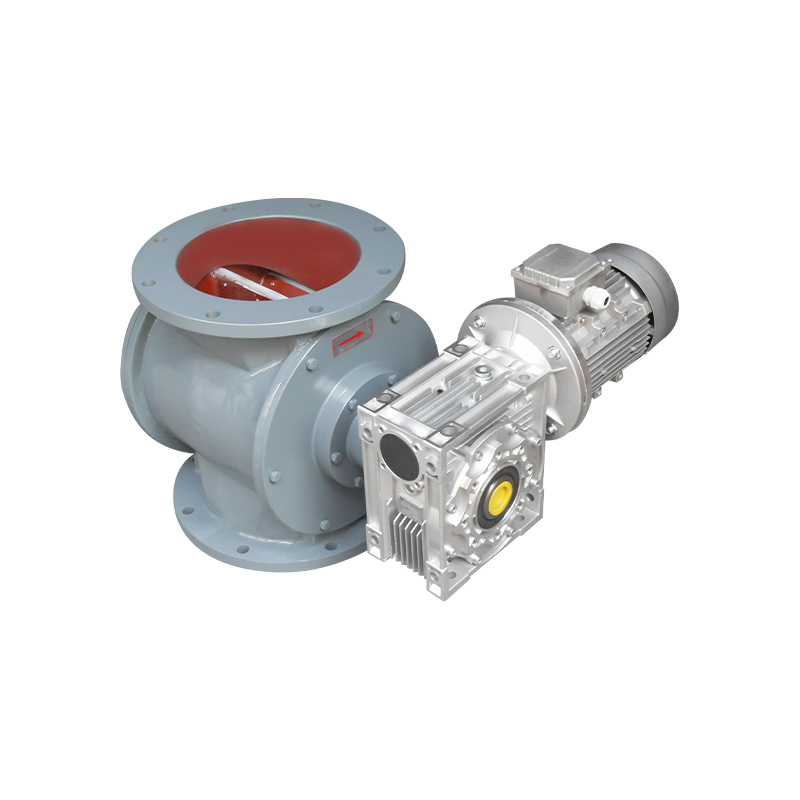

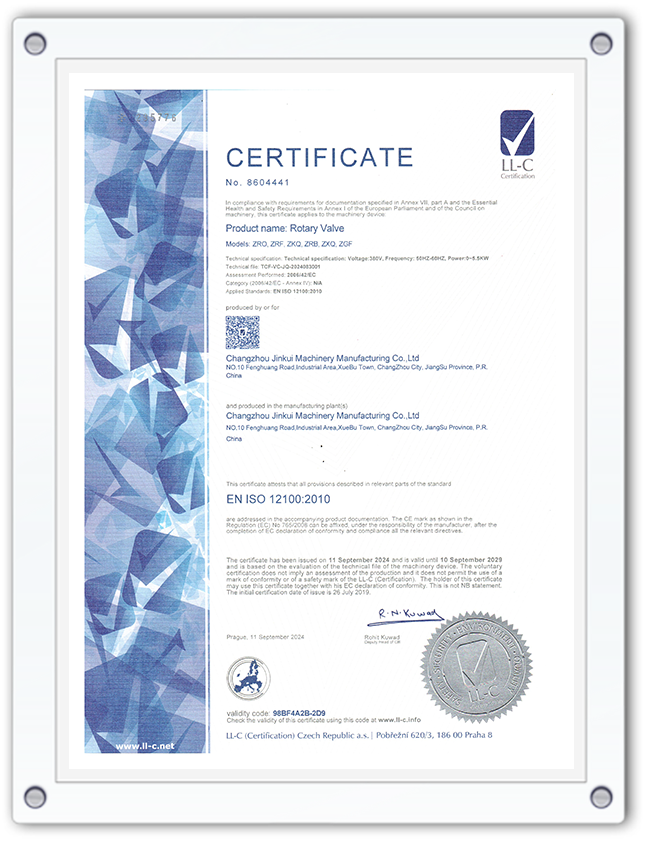
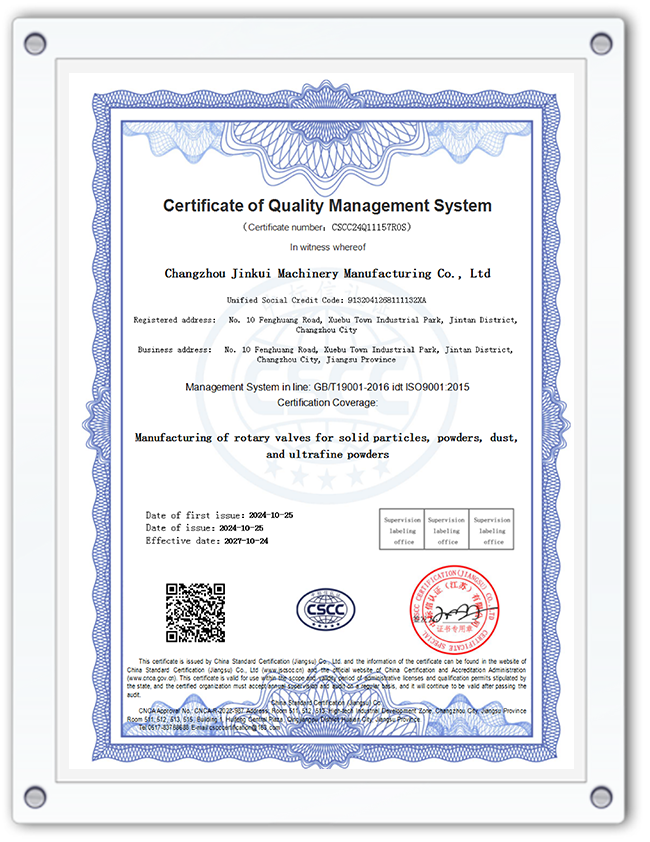
Founded in 2008, Changzhou Jinkui Machinery Manufacturing Co., Ltd. specializes in the production of rotary valves and related environmental equipment. Our product line includes rotary airlocks, star dischargers, quick-cleaning valves, reducers, and dust removal accessories, Custom Rotary Star Feeders, widely used in petrochemical, power, environmental protection, food, pharmaceutical, metallurgy, and construction industries. As a key component of pneumatic conveying and dust removal systems, our rotary valves are especially suitable for feeding and discharging solid particles, powders, and ultra-fine materials under both positive and negative pressure conditions.
As Rotary Star Feeder Suppliers and Rotary Valve Airlock Feeder Factory in China. Located in the well-connected Yangtze River Delta region, we have adopted advanced technologies from Germany, Japan, and Denmark to develop eight major series and over 50 models of rotary valves. Our products are trusted nationwide and exported to Europe, Southeast Asia, and beyond. We are committed to delivering high-quality products and professional service to our global clients.
Rotary feeding equipment such as the Rotary Star Feeder, Rotary Valve Airlock Feeder, Rotary Airlock Feeders, and Rotary Feeder Valves plays a central role in bulk material handling, pneumatic conveying, and dust collection systems. Although these terms are often used interchangeably, each type of equipment features functional characteristics, design strengths, and operational advantages that align with the needs of specific industries. Understanding their differences and shared benefits allows manufacturers and system integrators to choose the ideal solution for efficiency, reliability, and long-term performance. This article provides a detailed comparison of these four key rotary feeder categories and examines the industries where each technology offers unique value.
Although all rotary feeder solutions regulate material flow, maintain system pressure, and support stable conveying, the Rotary Star Feeder and Rotary Valve Airlock Feeder serve slightly different functional roles. The Rotary Star Feeder focuses on metering and consistent discharge, while Rotary Airlock Feeders prioritize sealing performance to minimize pneumatic air leakage. Rotary Feeder Valves typically act as the broad category that encompasses both. These differences create clear advantages in industries that require precision dosing, dust containment, or controlled feeding of fine, granular, or abrasive powders.
A Rotary Star Feeder uses star-shaped rotor pockets to provide uniform discharge of bulk materials from hoppers or silos. Its core advantage lies in its ability to maintain extremely consistent feed rates, making it ideal for industries that require accurate material dosing. The star rotor design delivers predictable flow, even with irregularly shaped particles, fibrous materials, or granules that need controlled movement without pulsing or surging.
Rotary Valve Airlock Feeders introduce material into a pressurized pneumatic system while maintaining an airtight seal. Their primary purpose is to prevent airflow traveling back through the valve while permitting continuous material feeding. This dual function is essential in pneumatic transport lines and dust collection systems. Rotary Airlock Feeders typically feature tight rotor-to-housing clearances, hardened materials for abrasion resistance, and designs optimized for pressure stability under various industrial conditions.
Although these rotary feeder technologies share similarities, their specific design distinctions result in unique performance profiles. The table below summarizes their structural and operational differences, highlighting the benefits of each type in practical use.
| Equipment Type | Primary Function | Key Advantage | Typical Applications |
| Rotary Star Feeder | Accurate and consistent material dosing | Superior flow stability | Chemical, plastics, biomass |
| Rotary Valve Airlock Feeder | Air sealing plus material feeding | Excellent pressure control | Pneumatic conveying, dust control |
| Rotary Airlock Feeders | Transfer of bulk solids between pressure zones | Low leakage and high durability | Cement, mining, food, grain processing |
| Rotary Feeder Valves | General term covering all rotary feeding devices | Versatility and broad compatibility | Cross-industry use |
The Rotary Star Feeder is especially beneficial in industries where accurate, uniform feeding is essential for product quality and process stability. Their design prevents irregular discharge rates, clogs, and surges, making them ideal for continuous production lines and dosing systems. Industries that rely on precise blending or chemical reactions also benefit from the metering consistency a Rotary Star Feeder offers.
These industries leverage the star-shaped rotor to maintain predictable flow patterns, which directly contributes to higher product quality, reduced wastage, and smoother downstream performance.
Rotary Valve Airlock Feeders excel where effective pressure sealing is required. Their ability to control airflow while continuously feeding solids makes them integral to pneumatic conveying networks, dust collection systems, and filtration equipment. Industries dealing with fine powders or high system pressures depend heavily on airlock valves to maintain efficiency and safety.
Their rugged construction and excellent sealing performance help minimize leakage, reduce product loss, and improve pneumatic conveying efficiency. This ensures stable operation even in high-wear or high-pressure environments.
Rotary Airlock Feeders provide reliability and versatility for demanding industries such as mining, metals, agriculture, petrochemicals, and energy. Their robust design allows them to handle abrasive materials, varying material densities, and continuous feeding operations with minimal downtime. This makes them critical components in high-throughput manufacturing lines.
Their durability, combined with low leakage and high throughput capacity, ensures Rotary Airlock Feeders remain the preferred choice for harsh industrial environments.
Rotary Feeder Valves serve as the broad category encompassing all rotary feeding devices. Their universal design flexibility allows them to be customized for powder, granules, pellets, fibrous materials, and abrasive solids. They can be configured with special coatings, wear-resistant materials, variable rotor designs, or sanitation-compliant housings for food and pharmaceutical production.
This versatility ensures that Rotary Feeder Valves can fit nearly any industrial need, acting as the foundation for bulk material feeding and conveying systems across diverse sectors.
While the Rotary Star Feeder, Rotary Valve Airlock Feeder, Rotary Airlock Feeders, and Rotary Feeder Valves share similar mechanical concepts, their industry advantages differ significantly. Rotary Star Feeders excel in high-precision dosing environments, Rotary Valve Airlock Feeders are crucial for pneumatic conveying seal integrity, Rotary Airlock Feeders provide durability for heavy-duty applications, and Rotary Feeder Valves offer unmatched versatility for cross-industry customization. Understanding these distinctions ensures that businesses can select the right equipment to maximize system efficiency, minimize downtime, and maintain optimal product quality.

 Apr 03 , 2026
  Industry News

