

 English
 عربى
عربى
Home / News / Industry News / Quick Cleaning Rotary Valves: Design Features, Hygiene Standards, and Industry Applications
Industry News
Content
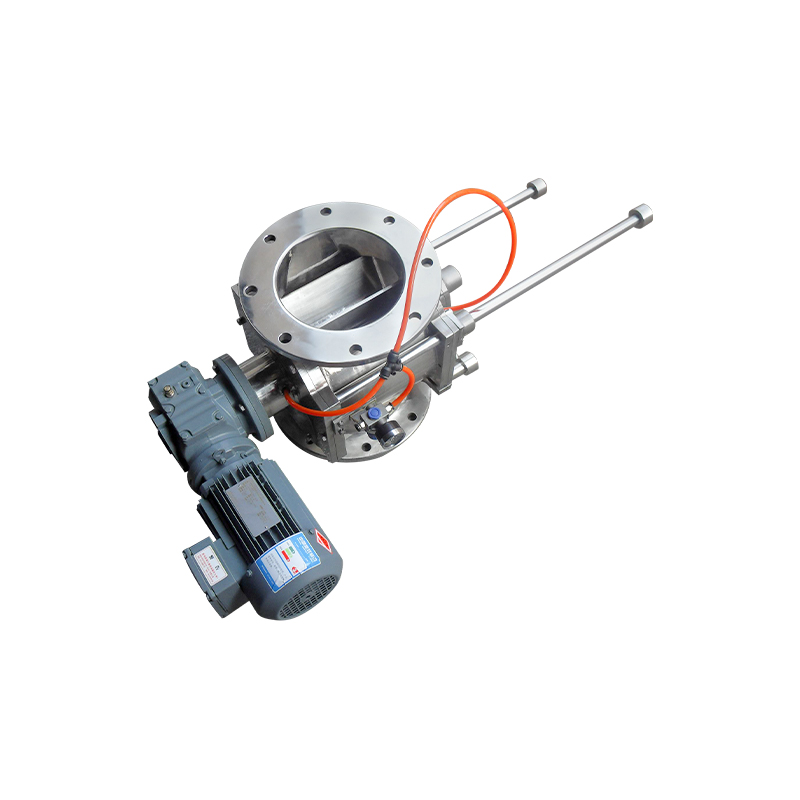
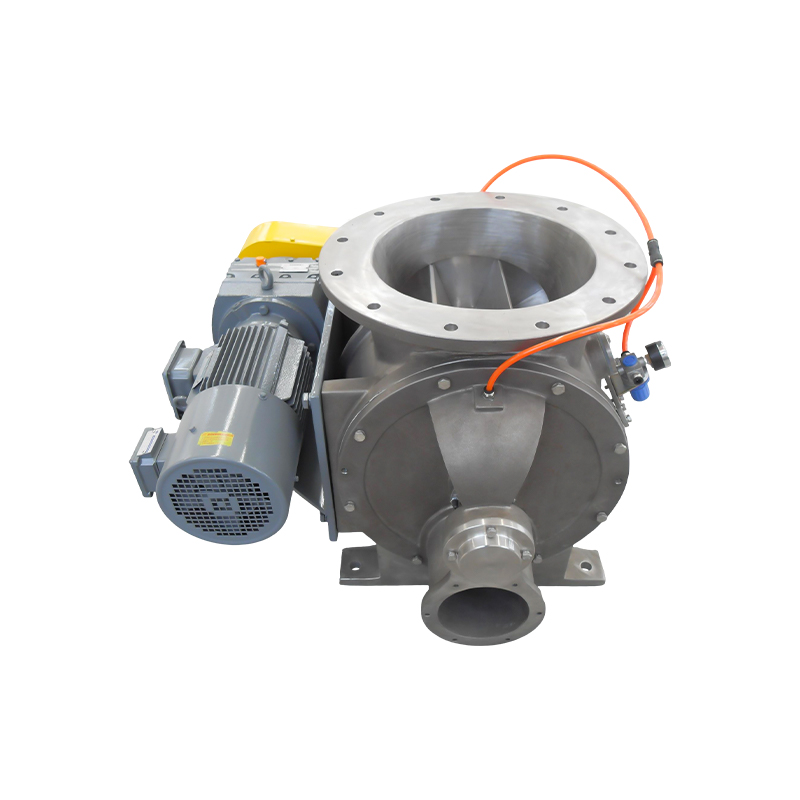
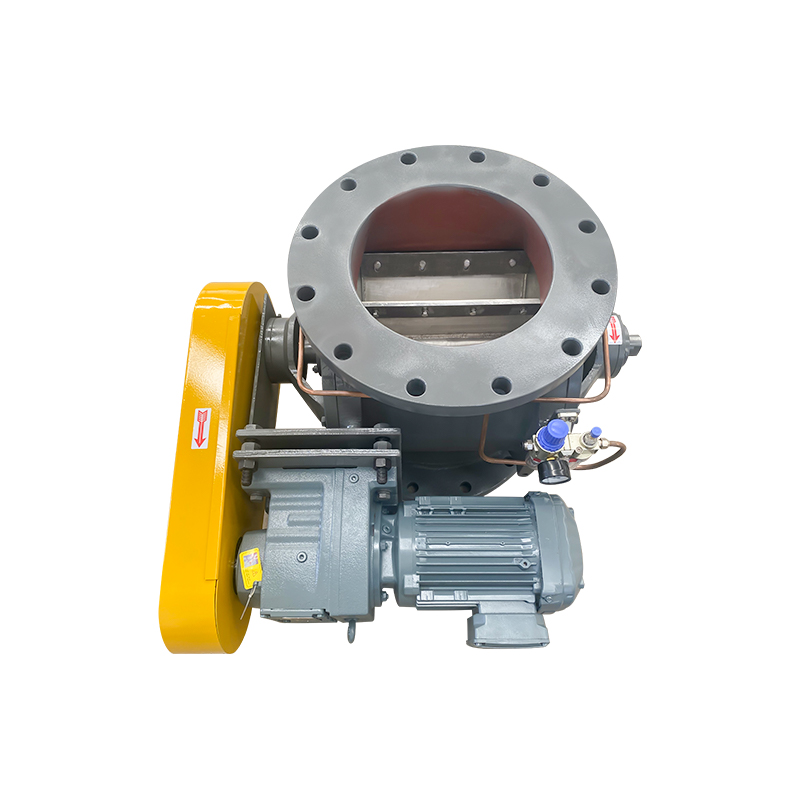
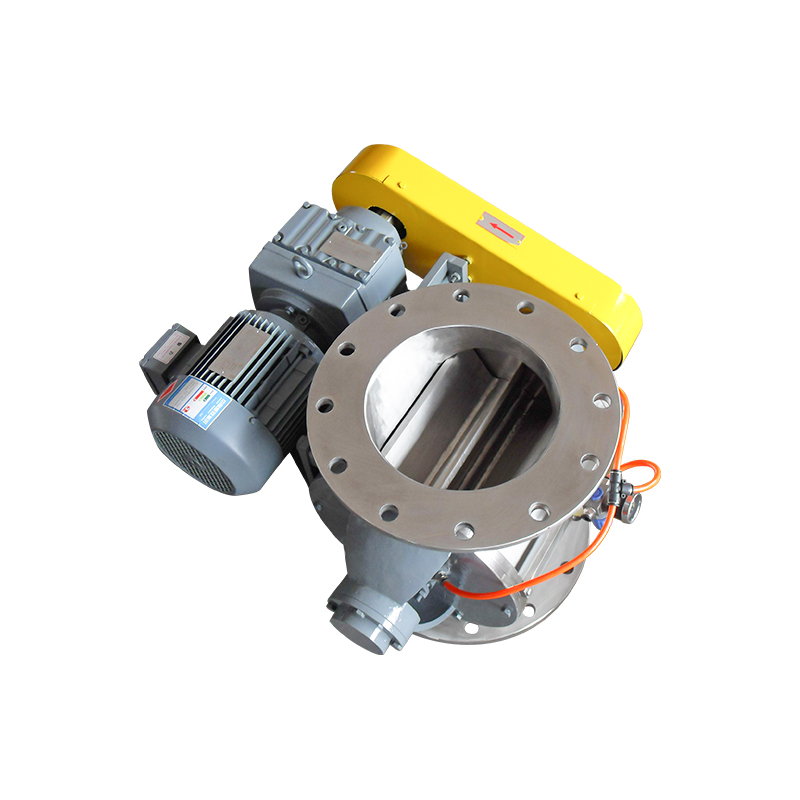
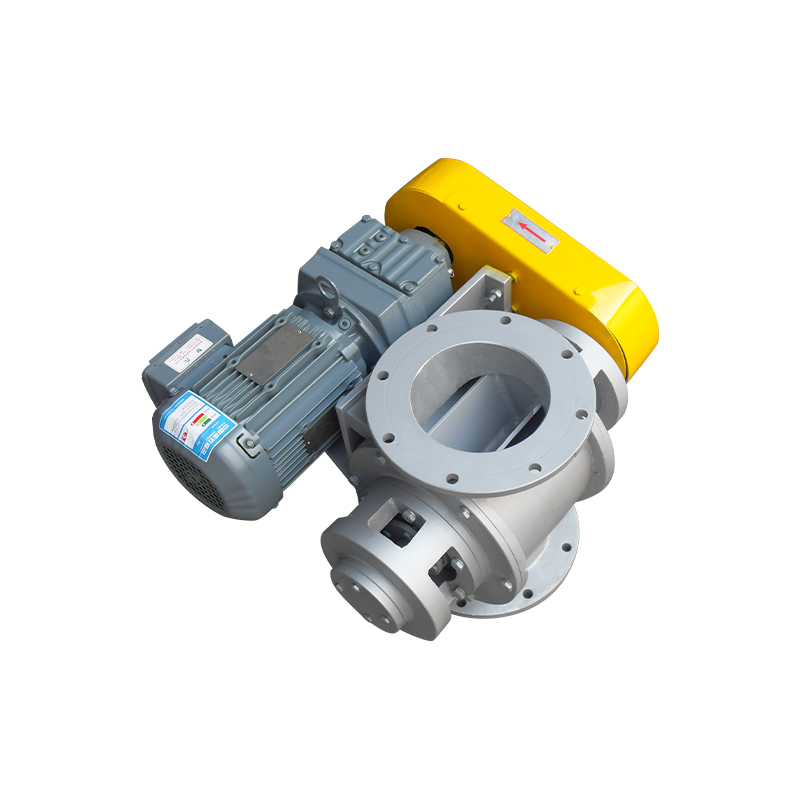
Quick cleaning rotary valves — also referred to as sanitary rotary airlocks, easy-clean rotary feeders, or hygienic rotary valves — are a specialized category of rotary airlock valve engineered specifically to minimize the time, effort, and tooling required to disassemble, clean, inspect, and reassemble the valve during routine sanitation cycles. In standard rotary valve design, the rotor, end plates, housing, and seals are assembled with conventional bolted connections that require wrench tools and significant disassembly time to access the internal components for cleaning. In a quick cleaning design, these conventional fasteners are replaced with clamp connections, pull-out rotor systems, or swing-bolt mechanisms that allow a trained operator to fully disassemble the valve, remove and clean all wetted parts, and reassemble the unit without any tools — often in under ten minutes.
The operational significance of this design approach is most apparent in industries where frequent product changeovers, cross-contamination prevention, and regulatory hygiene standards drive the cleaning frequency and thoroughness required for bulk solids handling equipment. In food manufacturing, pharmaceutical production, and nutraceutical processing, a rotary valve that cannot be quickly and verifiably cleaned between product runs creates a contamination risk, a regulatory compliance problem, and a production throughput bottleneck when cleaning downtime extends across shifts. Quick cleaning rotary valves directly address all three of these concerns, which is why they have become standard specifications in hygiene-critical bulk powder handling applications across these sectors.
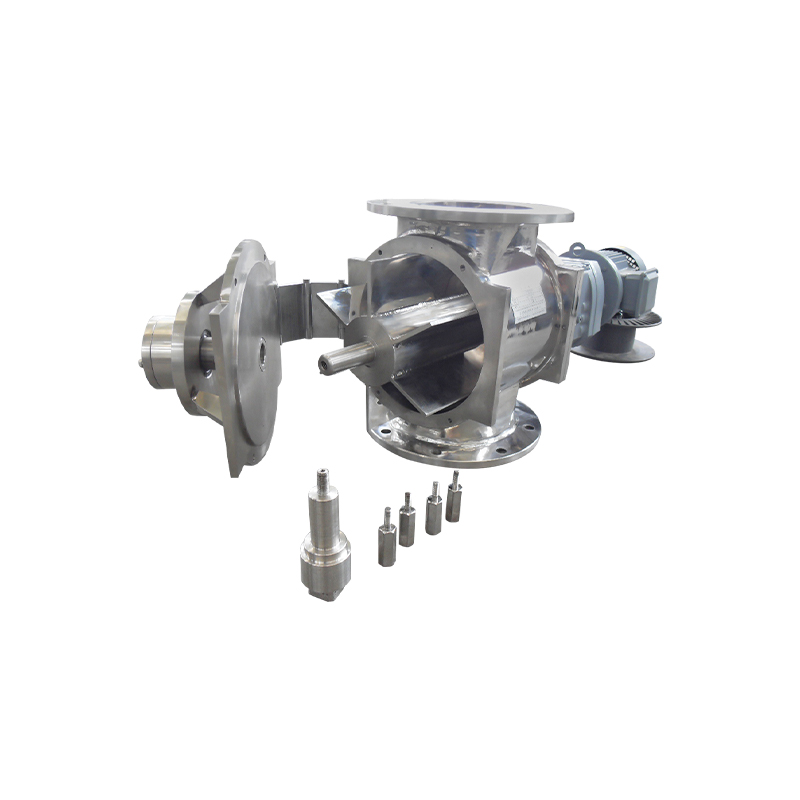
The performance advantage of a quick cleaning rotary valve over a standard rotary airlock is entirely a function of its design. Several specific engineering features, working together, enable the rapid disassembly and access that defines this valve category. Understanding these features allows procurement engineers and plant hygiene managers to evaluate competing products on objective technical grounds.
The most fundamental design feature distinguishing quick cleaning rotary valves from standard designs is the end plate connection mechanism. In place of the bolted end plates found on conventional valves — which may use 8 to 16 individual bolts requiring sequential removal — quick cleaning valves use clamp-ring connections, quarter-turn bayonet fittings, or swing-bolt systems that release the end plate with a single hand motion or a few turns of a large handwheel. When the end plate is released, the rotor is fully accessible for extraction without any further fastener removal. This single design change eliminates the majority of the time and tooling associated with conventional valve disassembly, reducing end plate removal from 15 to 20 minutes with a wrench to under 2 minutes by hand.
Once the end plate is removed, the rotor in a quick cleaning valve is designed to slide axially out of the housing bore without the need to disconnect the drive shaft from the rotor. In a cantilevered rotor design, the drive shaft connection is made at one end only, and the rotor can be withdrawn from the opposite (non-drive) end of the housing along its own axis as a single assembly. This allows complete rotor extraction — including all rotor vanes, the rotor body, and any adjustable tip seals — in a single sliding motion, exposing the full internal bore of the housing for inspection and cleaning. The ability to remove the rotor while the valve remains mounted in the process line is a significant maintenance advantage, eliminating the need to break pipe connections or remove the valve body from the system for routine cleaning.
The internal geometry of a quick cleaning rotary valve housing is engineered to eliminate the crevices, recesses, threads, and undercuts that trap product in standard valve designs. The bore is typically machined to a smooth cylindrical finish with radiused transitions at the inlet and outlet ports, and the housing internal surface is polished to a roughness value compatible with the hygiene requirements of the application — typically Ra ≤ 0.8 µm for pharmaceutical duty and Ra ≤ 1.6 µm for food-grade applications. Threaded holes, internal fasteners, and structural features that create cleaning dead zones are eliminated from the product contact zone, replaced by smooth-bore connections and external fastening systems that keep all mechanical complexity outside the cleanable volume.
The rotor itself in a quick cleaning valve is designed for thorough manual or automated cleaning of all product-contacting surfaces. Solid-vane rotors with radiused vane-to-hub junctions and polished surface finishes are standard, eliminating the vane-to-hub crevices found in conventional cast or welded rotor designs. Where adjustable tip seals are used — to maintain airlock efficiency as the rotor-to-housing clearance changes with wear — these seals are designed as removable, replaceable components that can be extracted from the rotor vane tip grooves without tools, cleaned separately, inspected for wear, and reinstalled or replaced as required. This replaceability ensures that the tip seal interface — which is both the highest-wear zone of the rotor and one of the most difficult areas to clean in conventional designs — can be accessed and verified clean at every disassembly cycle.
Quick cleaning rotary valves used in food, pharmaceutical, and nutraceutical applications must comply with applicable hygiene equipment standards that define material requirements, surface finish specifications, design principles for cleanability, and testing protocols for verifying hygienic performance. Compliance with these standards is typically a prerequisite for equipment approval in regulated manufacturing environments and is increasingly required by major food and pharmaceutical customers as part of supplier qualification.
| Standard / Certification | Issuing Body | Scope | Key Requirements |
| EHEDG (European Hygienic Engineering & Design Group) | EHEDG | Food equipment hygiene design | Cleanability, surface finish, material compliance |
| 3-A Sanitary Standards | 3-A SSI (USA) | Dairy and food processing equipment | SS material, Ra ≤ 0.8 µm, no dead ends |
| FDA CFR 21 | US FDA | Food contact materials compliance | Material food-contact safety |
| EU Regulation 1935/2004 | European Commission | Food contact materials (Europe) | Material migration limits, inertness |
| GMP (Good Manufacturing Practice) | FDA / EMA | Pharmaceutical manufacturing equipment | Cleanability, validation, traceability |
| ATEX Directive 2014/34/EU | European Commission | Explosive atmosphere equipment | Ignition prevention, earthing, zone rating |
For pharmaceutical applications subject to GMP requirements, quick cleaning rotary valves must not only be designed for cleanability but must also be validation-compatible — meaning that cleaning procedures can be documented, validated, and demonstrated to produce consistently clean equipment in a reproducible, auditable manner. This requires that the valve design have a defined, finite number of components with documented disassembly sequences and cleaning contact surfaces that can be swabbed or rinse-sampled for residue verification. Valves with hidden cavities, inaccessible surfaces, or indefinite numbers of gaskets and seals are not compatible with GMP validation programs regardless of how fast they can be disassembled.
The material selection for product-contacting components of quick cleaning rotary valves directly determines their suitability for different applications, their resistance to cleaning agents, and their compliance with food contact or pharmaceutical material regulations. Incorrect material specification is one of the most common reasons for premature component failure or regulatory non-compliance in hygienic rotary valve applications.
The design of a quick cleaning rotary valve enables compatibility with a wider range of cleaning methods than conventional rotary airlocks, which are often limited to dry purging or compressed air blowdown because their internal geometry prevents effective wet cleaning without full removal from the process line. Quick cleaning valves support the following cleaning approaches, which should be matched to the product, process environment, and regulatory requirements of each application.
The primary cleaning mode for most quick cleaning rotary valves is manual wet cleaning following tool-free disassembly. The operator releases the end plate, extracts the rotor, removes tip seals and gaskets, and transports all product-contact components to a wash station where they are cleaned with hot water and approved cleaning agent, rinsed, and dried or sanitized before reassembly. This approach provides the most thorough and verifiable cleaning, as all surfaces can be visually inspected after cleaning before reassembly is performed. The typical total cycle time for disassembly, cleaning, inspection, and reassembly by a trained operator is 15 to 30 minutes, compared to 1 to 3 hours for an equivalent conventional valve.
Some quick cleaning rotary valve designs are engineered to support clean-in-place (CIP) operation — where cleaning solution is circulated through the valve while it remains assembled and mounted in the process line. CIP-compatible designs require a smooth internal bore without dead zones, CIP spray nozzle ports in the housing, and the ability for the rotor to rotate slowly during the CIP cycle to ensure cleaning solution reaches all rotor surfaces and vane-to-housing interfaces. CIP reduces operator involvement and cleaning downtime compared to manual disassembly cleaning, but requires validation to demonstrate that all critical surfaces are reliably cleaned by the CIP program without disassembly — a higher validation burden than the straightforward visual verification possible with manual cleaning.
For pharmaceutical and sterile processing applications requiring sterilization between product runs, steam-in-place (SIP) capability is a specific design requirement. SIP-compatible quick cleaning valves must be manufactured from materials that withstand repeated exposure to saturated steam at 121 to 134°C, with all gaskets, seals, and bearing materials specified for steam compatibility. The valve housing must have steam inlet and condensate drain connections positioned to ensure complete steam penetration of all internal volumes during the sterilization cycle, with no steam bypassing or cool zones that would fail to reach sterilization temperature.
The adoption of quick cleaning rotary valves has been driven primarily by sectors where hygiene regulations, product purity requirements, and frequent changeover cycles create an operational and regulatory imperative for cleanable bulk solids handling equipment. The following industries represent the core application markets for this valve category.
Selecting the correct quick cleaning rotary valve for a specific application requires systematic evaluation of operational parameters, hygiene requirements, and installation constraints. The following factors should be addressed in the specification process to ensure the selected valve delivers the required performance across its full operational and cleaning cycle.
Bulk material characteristics — including particle size distribution, bulk density, flowability, abrasiveness, and moisture content — directly affect rotor design selection, tip seal material choice, and housing clearance specification. Abrasive materials such as mineral powders and crystalline chemicals require hardened rotor tip seals and housing liners to maintain airlock efficiency over acceptable wear intervals. Cohesive, sticky, or hygroscopic powders may require open-pocket rotor designs that minimize product retention in the rotor pockets between rotations, and the internal surface finish must be sufficiently smooth to prevent product buildup that would compromise both airlock efficiency and cleaning thoroughness.
The pressure differential across the valve — the difference in air pressure between the upstream and downstream connections — determines the required rotor-to-housing clearance and tip seal specification needed to maintain acceptable airlock leakage rates. Higher pressure differentials require tighter clearances and more effective tip seals, but tighter clearances also increase the sensitivity of the valve to thermal expansion and wear, requiring more frequent inspection and tip seal replacement. For pneumatic conveying systems operating at pressure differentials above 0.5 bar, specify the valve with adjustable tip seals and confirm the manufacturer's recommended inspection interval for the tip seal condition at the design operating pressure differential and bulk material abrasivity.