

 English
 عربى
عربى
Home / News / Industry News / How Does a Quick-Opening Fast-Cleaning Rotary Valve Improve Your Production Efficiency?
Industry News
Content
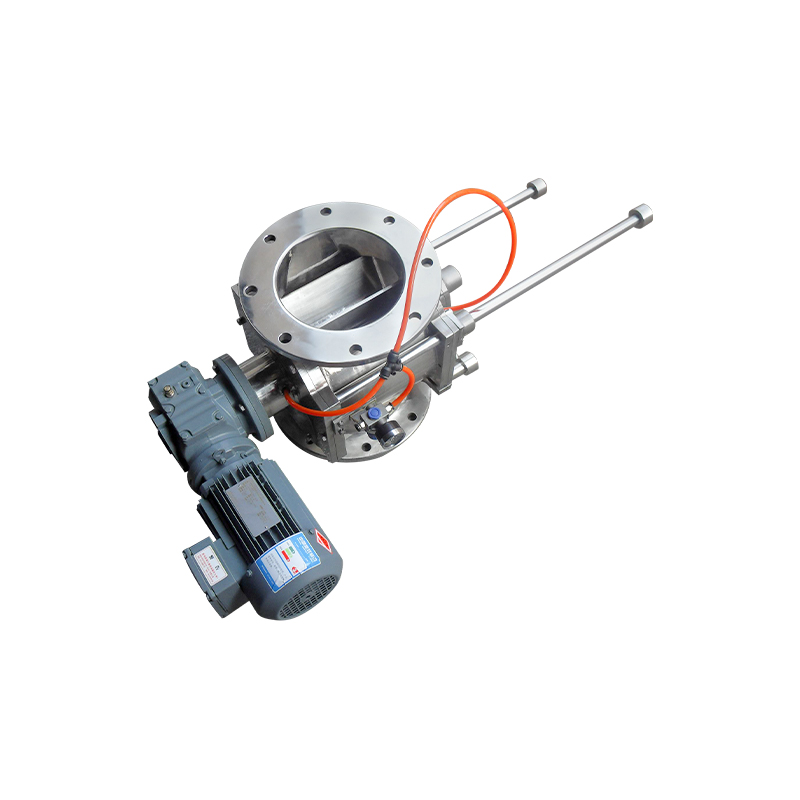
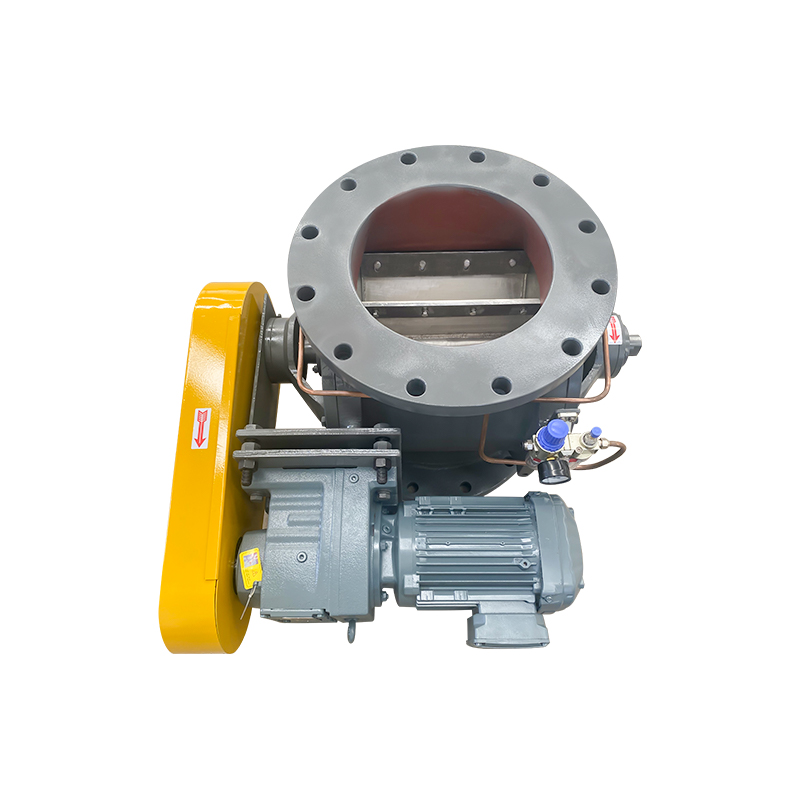
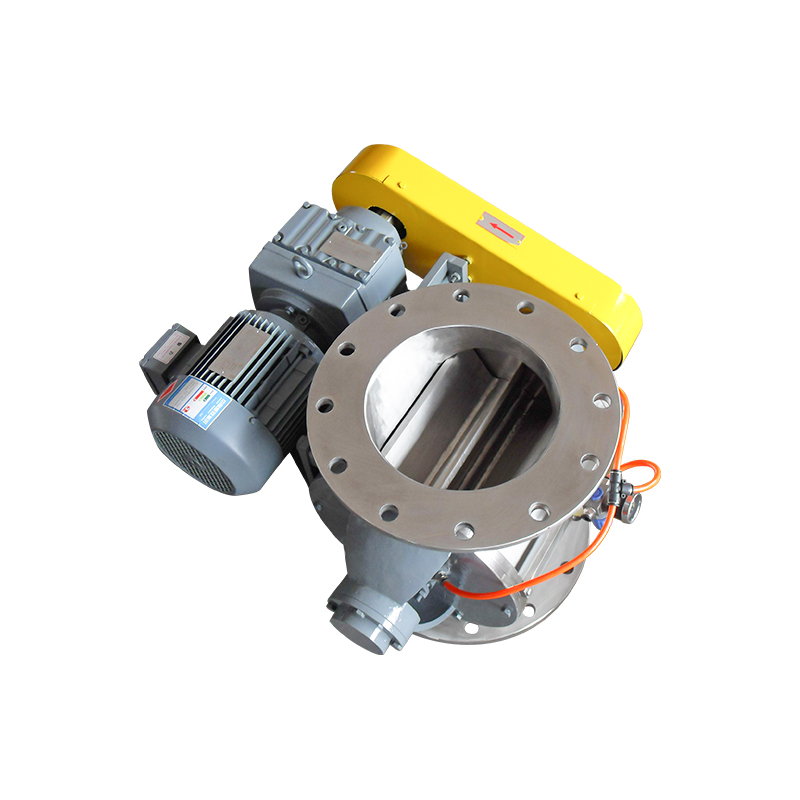
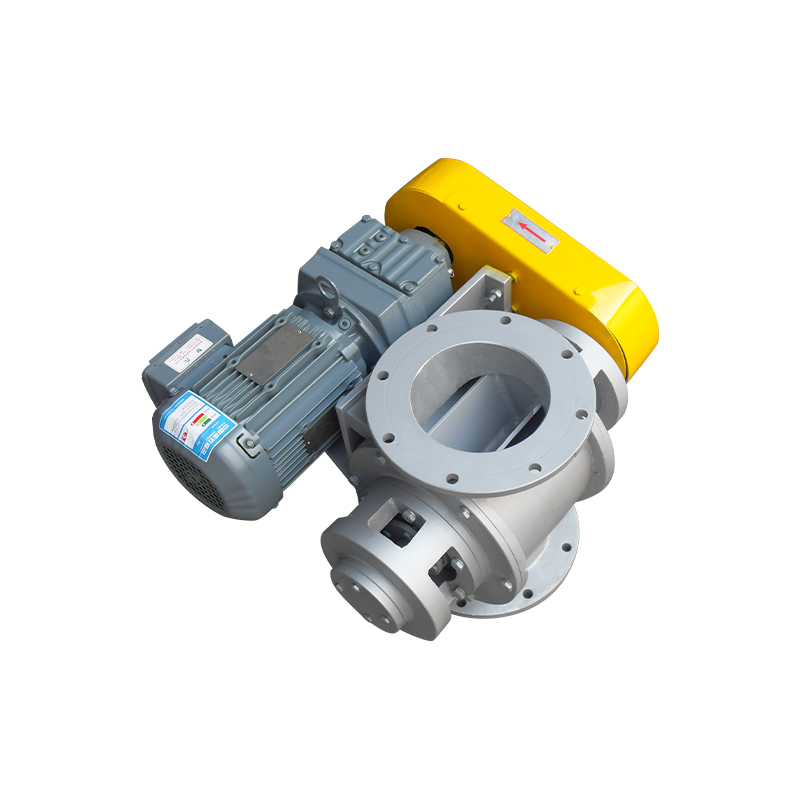
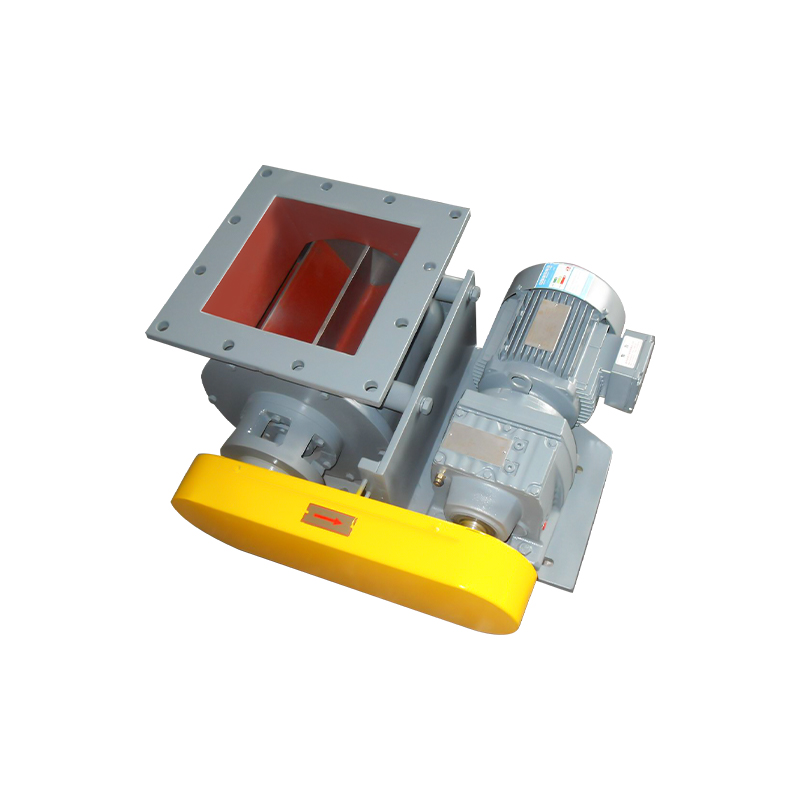
A quick-opening fast-cleaning rotary valve is a specialized type of rotary airlock or rotary feeder valve engineered for applications where both rapid access for interior cleaning and reliable bulk material handling are critical operational requirements. Unlike conventional rotary valves that require extensive disassembly for maintenance, this design incorporates tool-free or minimal-tool opening mechanisms that allow operators to access the rotor, housing, and sealing surfaces within minutes. This makes the valve particularly valuable in industries where hygiene standards are strict, production downtime is costly, or product changeovers happen frequently.
The rotary valve itself functions by using a multi-vane rotor turning inside a cylindrical housing to meter or transfer bulk solids, powders, or granules from one pressure zone to another — typically from a hopper or silo into a pneumatic conveying line or packaging system. The "fast-cleaning" feature addresses one of the most persistent operational challenges with standard rotary valves: the difficulty of thoroughly cleaning the internal cavity, rotor pockets, and end plates without removing the entire unit from the pipeline.
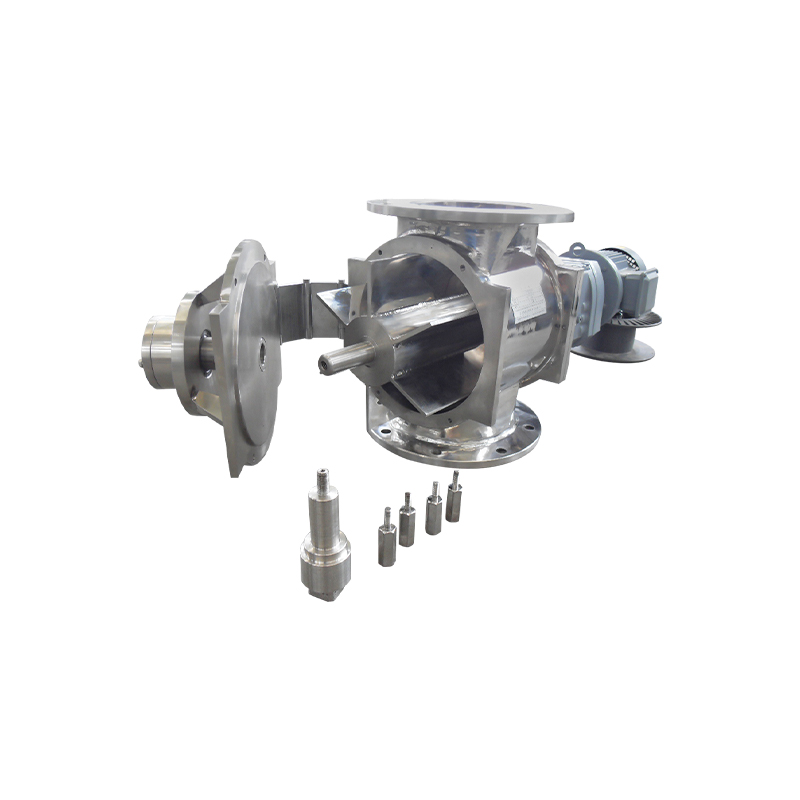
The defining engineering feature of this valve type is its housing design. Rather than a fully sealed, bolted casing that requires complete removal to access the rotor, quick-opening fast-cleaning rotary valves use one of several access configurations:
Each of these mechanisms is designed to minimize the time between stopping the valve and having the internal components accessible. In well-engineered models, full rotor exposure can be achieved in under five minutes without any special tools, a significant advantage over traditional designs that may require an hour or more of mechanical work.
Understanding the internal anatomy of a quick-opening fast-cleaning rotary valve helps maintenance teams handle the equipment correctly and select appropriate replacement parts.
The rotor is the heart of the valve. It consists of a central shaft with radially arranged vanes or blades that form pockets for capturing and metering material. In fast-cleaning models, the rotor is typically manufactured to close tolerances and may feature open-ended or semi-open pocket designs that reduce material buildup in the corners. Rotors are often made from stainless steel and may have removable vane tips made of wear-resistant polymers such as UHMWPE or PEEK, which can be replaced individually without changing the entire rotor.
The housing forms the cylindrical cavity in which the rotor turns. In quick-opening designs, the housing incorporates precision-machined mating surfaces along the split line or at the end plate interface to maintain a reliable seal when closed. End plates contain the bearing seats, shaft seals, and sometimes the purge air connections. In fast-cleaning models, end plates are designed for rapid removal, often secured by a single locking ring rather than multiple individual bolts.
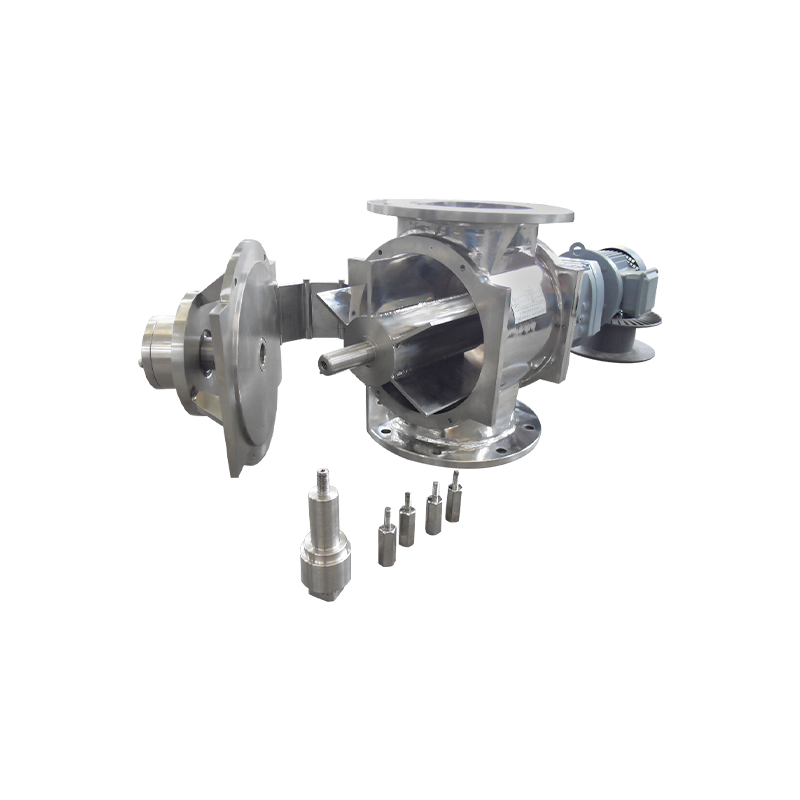
Shaft seals prevent fine powder from migrating along the rotor shaft into the bearings and gearbox. In hygienic versions of this valve, the seals are often lip seals or mechanical seals made from FDA-compliant materials such as silicone or EPDM. Some models include a purge air connection that introduces clean compressed air at the shaft seal zone to create a positive pressure barrier, keeping product contamination out of the bearing housings.
Material selection for quick-opening fast-cleaning rotary valves depends on the product being handled, regulatory requirements, and the cleaning method used. The most common configurations are outlined below:
| Component | Common Material | Application Context |
| Housing | 316L Stainless Steel | Food, pharmaceutical, fine chemical |
| Rotor | 304 or 316L Stainless Steel | Hygienic and corrosion-resistant service |
| Rotor Tip Seals | UHMWPE, PEEK, or PTFE | Wear-critical or abrasive materials |
| Shaft Seals | Silicone, EPDM, or Viton | FDA-compliant or chemical-resistant service |
| Housing (industrial) | Cast Iron or Carbon Steel | Cement, minerals, general bulk solids |
For pharmaceutical and food-grade applications, internal surfaces are typically finished to a Ra value of 0.8 µm or better, and all product-contact materials must comply with standards such as FDA 21 CFR, EU Regulation 10/2011, or EHEDG guidelines. This level of surface quality prevents microbial growth and makes wet cleaning far more effective.
The fast-cleaning designation implies that the valve is compatible with systematic cleaning protocols, not just a quick wipe-down. Depending on the industry and product, several cleaning approaches are used:
For dry powder applications where moisture must be avoided, the rotor is removed and cleaned using compressed air, brushes, or vacuum equipment. The open housing allows operators to reach all internal surfaces thoroughly. This is common in the milling, spice, and specialty chemical industries.
In food processing and pharmaceutical production, valves are often cleaned in place (CIP) using hot water, detergent solutions, or sanitizing agents. Quick-opening fast-cleaning rotary valves designed for CIP compatibility feature smooth internal bores, no dead zones where liquid can pool, and drain ports to allow complete flushing. After opening, individual components can also be submerged and cleaned in ultrasonic baths for thorough decontamination.
Certain pharmaceutical and bioprocessing applications require sterilization-in-place (SIP) using steam. Valves rated for SIP service are constructed entirely from materials that can withstand repeated steam cycles at 121°C to 134°C without warping, seal degradation, or dimensional change. This eliminates the need to remove the valve for autoclave sterilization.
Quick-opening fast-cleaning rotary valves are not a niche product — they serve a wide range of industries where material handling cleanliness and operational efficiency must coexist.
Selecting the right quick-opening fast-cleaning rotary valve requires a thorough assessment of both process conditions and cleaning requirements. The following specifications should be defined and communicated to the supplier:
The operational benefits of a quick-opening fast-cleaning rotary valve extend well beyond cleaning convenience. From a total cost of ownership perspective, these valves offer measurable advantages over conventional designs. Reduced cleaning time directly translates into shorter production downtime — in high-throughput food or pharmaceutical facilities, saving even 30 minutes per cleaning cycle per shift can recover hundreds of production hours annually.
The ability to perform thorough visual inspections during each cleaning cycle also means that wear on rotor tips, seals, and housing bore surfaces is detected early, before it causes measurement drift, excessive air leakage, or product contamination. This predictive maintenance capability reduces the likelihood of unplanned shutdowns and extends the overall service life of the valve. Replacement of individual worn components — such as rotor tip seals or shaft seals — is straightforward once the quick-opening mechanism gives access, avoiding the need to replace the entire valve assembly prematurely.
When comparing capital cost against a standard rotary valve, the quick-opening model carries a higher initial price. However, when labor costs for cleaning, downtime costs during maintenance, and regulatory compliance audit costs are factored in, the lifecycle economics consistently favor the fast-cleaning design in any application requiring frequent or validated cleaning intervals.