

 English
 عربى
عربى
Industry News
Content
Introduction to Anti Jamming Rotary Valves
Rotary valves are widely used in industries for material handling, especially in bulk powder and granular systems. Standard rotary valves are efficient for regular flow applications but often face challenges with material jamming. Anti jamming rotary valves have been designed to overcome these common issues, ensuring continuous flow and reducing maintenance needs.
Key Differences Between Anti Jamming and Standard Rotary Valves
While both valve types serve similar functions in regulating material flow, their structural and operational differences significantly affect performance:
Design Features
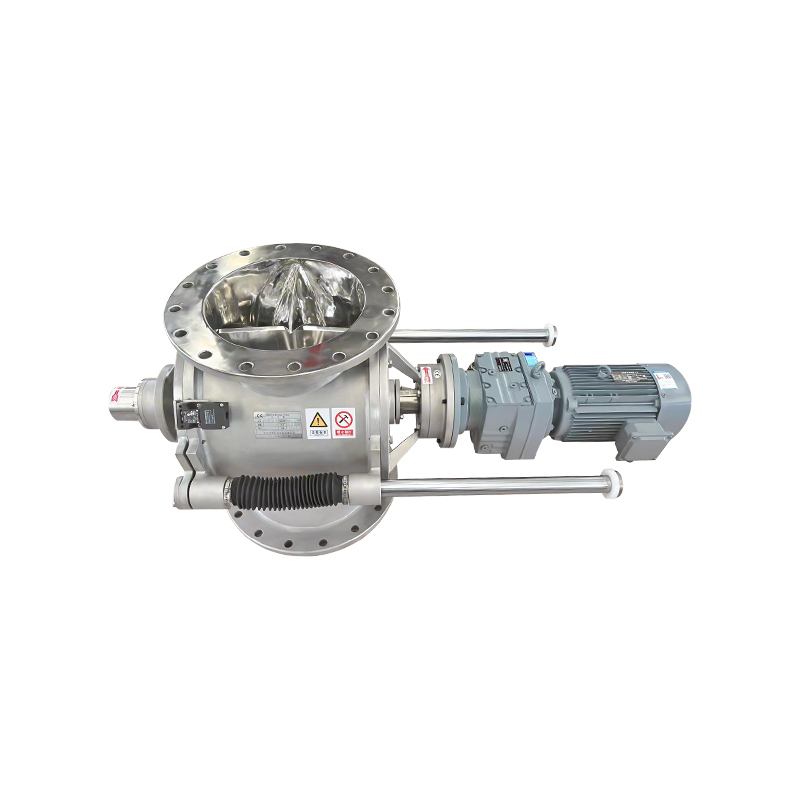
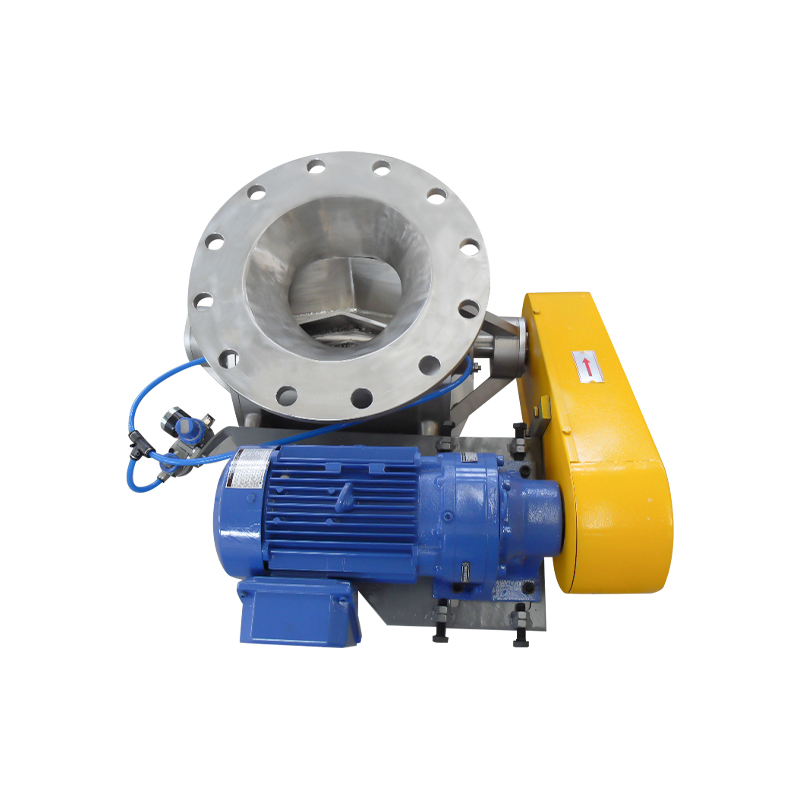
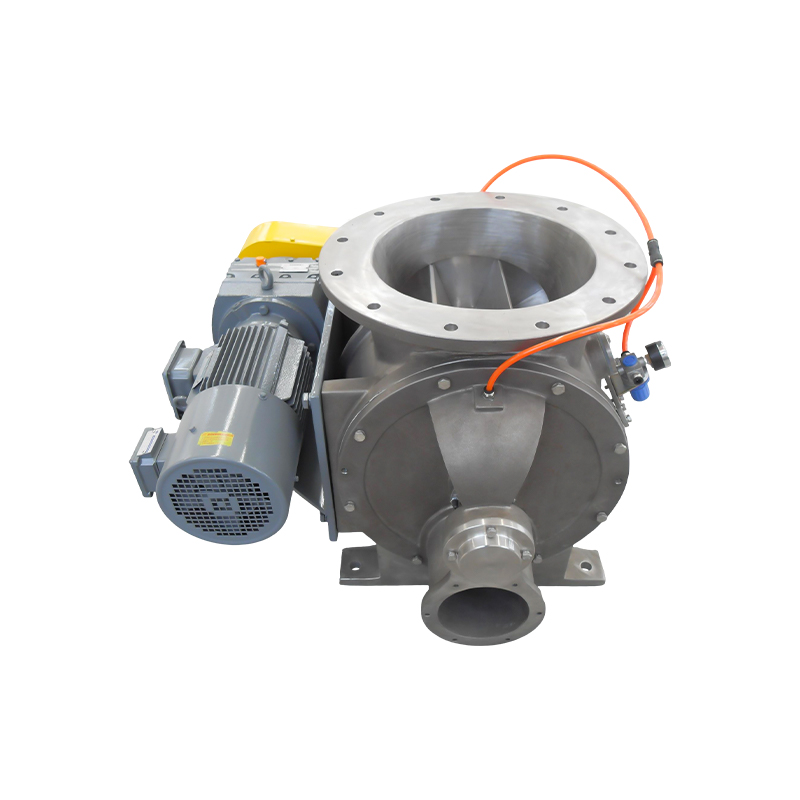
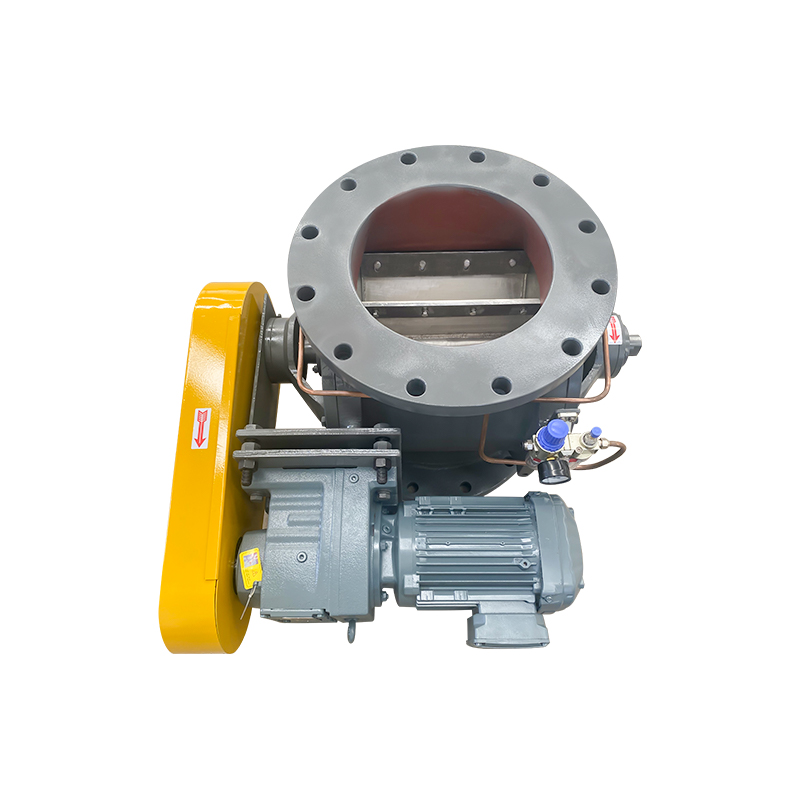
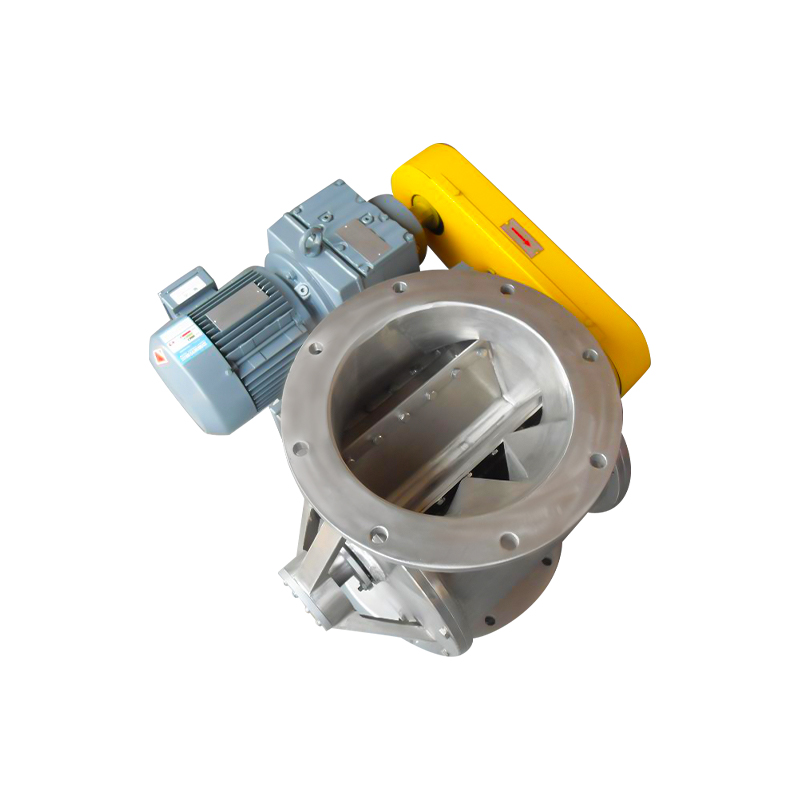
Anti jamming valves often incorporate specialized rotor designs with flexible paddles or contoured edges to prevent clogging. Standard valves typically have rigid, flat rotors that can easily trap sticky or irregular materials.
Material Compatibility
Anti jamming valves handle a wider range of materials including high-moisture powders, pellets, and granular substances. Standard valves perform best with dry, free-flowing powders and may experience reduced efficiency with cohesive or fibrous materials.
Maintenance Requirements
Due to their anti jamming design, these valves require less frequent maintenance and cleaning. Standard rotary valves may need regular inspections and manual clearing to prevent blockages.
Performance Advantages of Anti Jamming Rotary Valves
Implementing anti jamming rotary valves can bring measurable benefits to industrial operations:
Consistent Material Flow
Anti jamming valves ensure continuous flow even with sticky or irregular materials. This reduces downtime and improves overall system efficiency.
Reduced Downtime and Operational Costs
By preventing blockages, these valves reduce interruptions in production lines and minimize the need for labor-intensive maintenance.
Enhanced Longevity
The materials and design enhancements in anti jamming valves reduce wear and tear on internal components, extending operational life compared to standard rotary valves.
Applications Across Industries
Anti jamming rotary valves are versatile and used in various sectors:
- Food processing – handling powders, grains, and sugar
- Chemical industry – managing powders and granular chemicals with high cohesion
- Pharmaceuticals – ensuring smooth transfer of medicinal powders
- Plastics – transporting pellets and granules in extrusion processes
- Cement and construction materials – preventing jamming of fine powders and aggregates
Selection Considerations for Anti Jamming Rotary Valves
Choosing the right valve involves evaluating several critical factors:
Material Characteristics
Consider the flow properties, moisture content, and particle size of the material. Anti jamming valves are especially beneficial for cohesive or irregular materials.
Operational Pressure and Speed
Ensure the valve can handle the required pressure and rotational speed without causing excessive wear or material degradation.
Maintenance and Access
Look for valves designed for easy cleaning and replacement of wear parts, which further reduces downtime.
Cost vs. Benefit Analysis
While anti jamming rotary valves may have higher upfront costs than standard valves, the long-term benefits typically outweigh initial investments. Reduced downtime, lower maintenance costs, and increased production efficiency provide significant ROI.
Conclusion
Anti jamming rotary valves offer clear advantages over standard rotary valves, particularly in industries dealing with challenging materials. Their innovative designs improve flow consistency, reduce maintenance requirements, and enhance operational reliability. When selecting a rotary valve, considering material characteristics, operational conditions, and long-term cost implications ensures optimal performance and extended service life.