

 English
 عربى
عربى
Industry News
Content
- 1 What Are the Main Materials and Construction Features?
- 2 What Are the Typical Industrial Applications?
- 3 How to Select the Right Stainless Steel Discharge Valve?
- 4 What Are the Advantages of Stainless Steel Discharge Valves?
- 5 How to Maintain Stainless Steel Discharge Valves?
- 6 Conclusion: Why Are Stainless Steel Discharge Valves Essential?
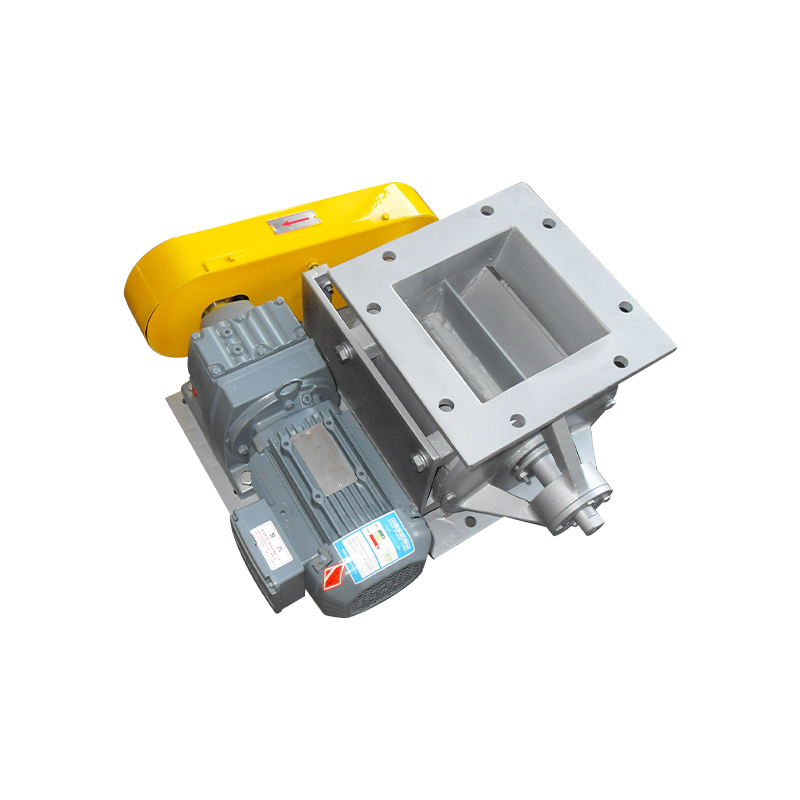
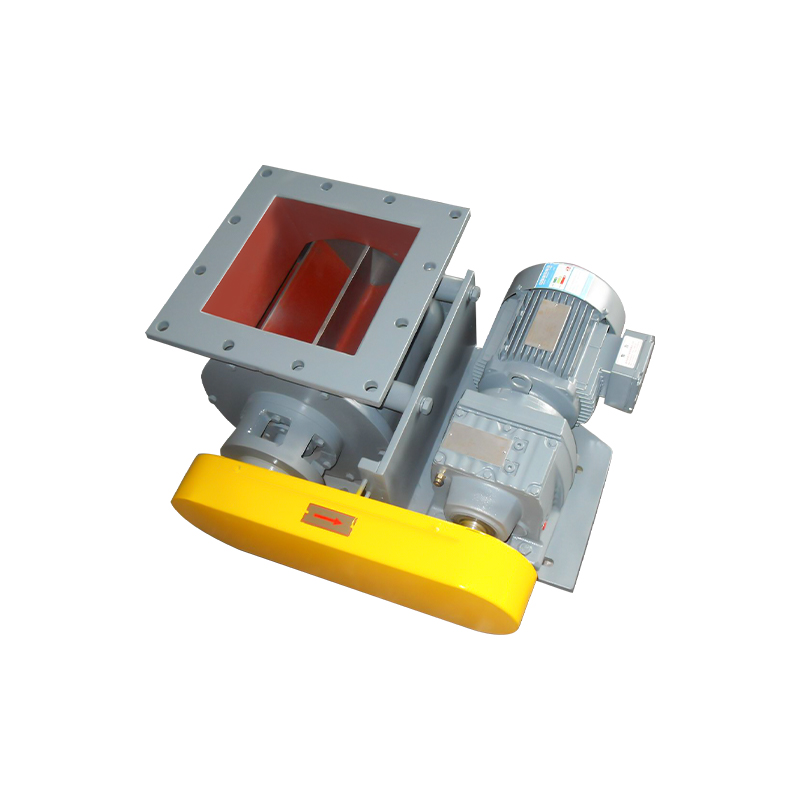
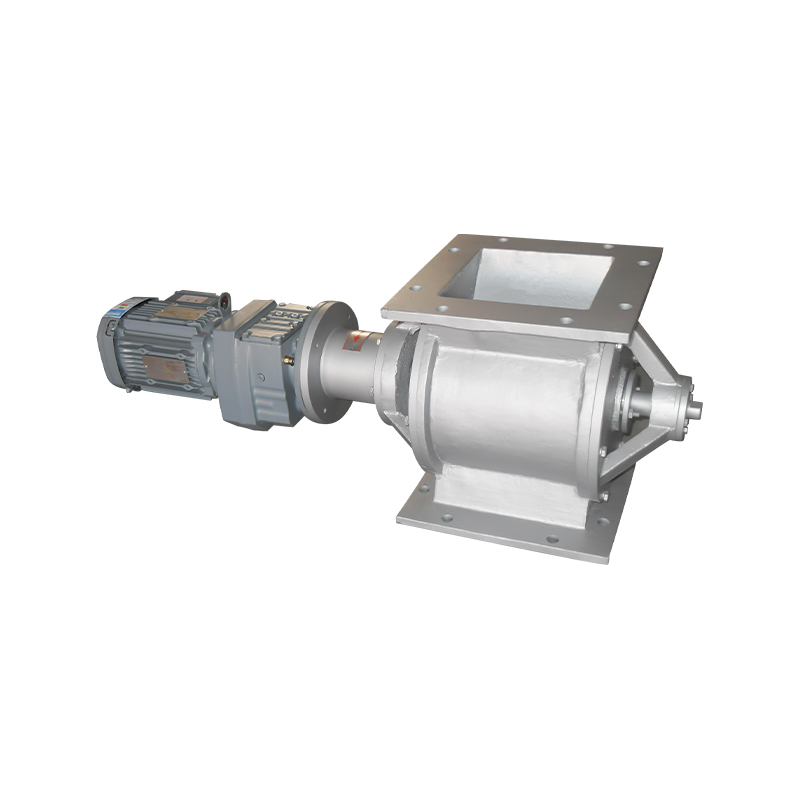
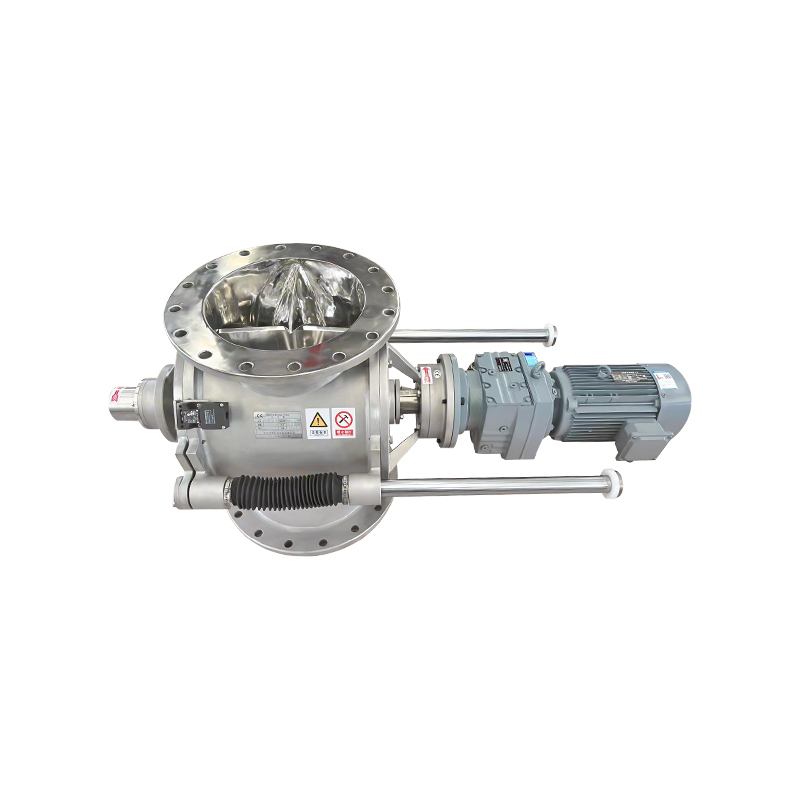
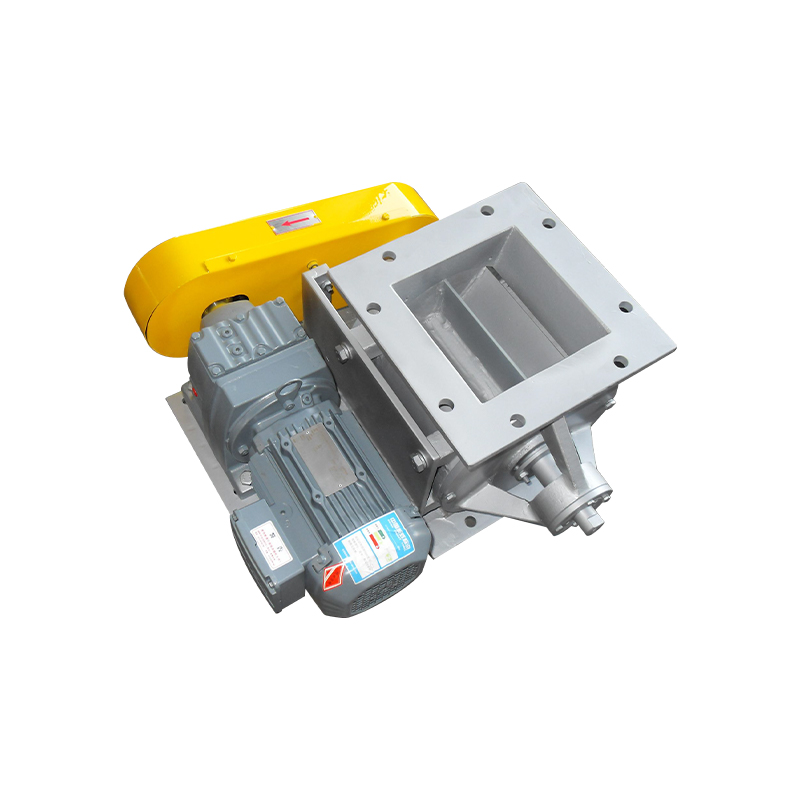
A stainless steel discharge valve is a critical industrial component designed to control the release of liquids, gases, or bulk solids from tanks, pipelines, and vessels. Made primarily of corrosion-resistant stainless steel, these valves ensure durability, hygiene, and reliability, especially in industries where contamination prevention and chemical resistance are essential. They are widely used in food processing, pharmaceuticals, chemical manufacturing, and water treatment applications.
Different discharge valve designs suit various industrial applications depending on flow requirements, pressure, and material handled. Common types include:
- Ball Valves: Provide quick on/off control with minimal leakage. Suitable for liquids and gases under moderate pressure.
- Butterfly Valves: Ideal for regulating flow in larger pipelines. Compact, lightweight, and cost-effective.
- Gate Valves: Allow full-flow discharge with minimal pressure drop. Often used in water and slurry systems.
- Diaphragm Valves: Excellent for hygienic applications, preventing contamination in pharmaceuticals and food industries.
- Rotary and Pinch Valves: Used for bulk solids and powders, providing precise discharge control.
What Are the Main Materials and Construction Features?
Stainless steel discharge valves are designed for durability and resistance to harsh environments. Key material and construction features include:
- Stainless Steel Grades: Commonly 304 and 316 stainless steel, chosen for corrosion resistance, hygiene, and strength.
- Sealing Mechanisms: Includes PTFE, EPDM, or silicone seals for leak-proof operation and chemical compatibility.
- Valve Bodies: Precision machined for smooth flow, minimal turbulence, and compatibility with sanitary fittings.
- Actuation Options: Manual handles, pneumatic actuators, or electric motors for automated control.
- Surface Finish: Polished or electropolished for hygienic applications, reducing bacterial adhesion and facilitating cleaning.
What Are the Typical Industrial Applications?
Stainless steel discharge valves are versatile components used across numerous industries:
- Food and Beverage: Control the discharge of liquids, syrups, and food ingredients while maintaining hygiene.
- Pharmaceuticals: Prevent contamination when handling sterile liquids and powders in production lines.
- Chemical Manufacturing: Manage corrosive or hazardous fluids safely with resistant stainless steel valves.
- Water Treatment: Control water and wastewater flow, sludge discharge, and chemical dosing operations.
- Bulk Solids Handling: Rotary and pinch valves regulate powders, granules, and pellets in processing systems.
How to Select the Right Stainless Steel Discharge Valve?
Choosing the correct valve requires evaluating several factors to ensure optimal performance:
- Material Compatibility: Ensure valve materials resist corrosion from the fluid or chemical being handled.
- Flow Rate and Pressure: Select a valve rated for the system’s pressure and desired discharge speed.
- Sanitary Requirements: For food, beverage, or pharmaceutical use, opt for polished or sanitary valves meeting hygienic standards.
- Actuation Method: Decide between manual, pneumatic, or electric actuation depending on operational needs.
- Maintenance and Cleaning: Choose valves that allow easy disassembly, cleaning, and minimal downtime.
What Are the Advantages of Stainless Steel Discharge Valves?
Using stainless steel discharge valves provides several benefits for industrial systems:
- Corrosion Resistance: Stainless steel ensures longevity even with aggressive chemicals or wet environments.
- Hygienic Design: Polished surfaces and sanitary seals reduce contamination risk in food and pharmaceutical applications.
- Durability: Strong stainless steel construction resists wear, pressure, and mechanical stress.
- Versatility: Available in multiple types and sizes for liquid, gas, and solid discharge applications.
- Ease of Operation: Manual or automated actuation options simplify integration into modern industrial systems.
How to Maintain Stainless Steel Discharge Valves?
Proper maintenance ensures long-lasting valve performance:
- Regular Cleaning: Remove debris and residues, especially in food and chemical applications.
- Seal Inspection: Replace worn or damaged seals to prevent leaks and contamination.
- Lubrication: Apply food-grade or compatible lubricants for moving parts if needed.
- Check Actuators: Inspect pneumatic or electric actuators for proper operation and responsiveness.
- Monitor Corrosion: Even stainless steel may corrode under extreme chemical exposure, so periodic inspection is important.
Conclusion: Why Are Stainless Steel Discharge Valves Essential?
Stainless steel discharge valves are essential components in industrial systems requiring reliability, hygiene, and chemical resistance. Selecting the right valve type, material grade, and actuation method ensures efficient discharge, reduces maintenance costs, and enhances safety. Their versatility and durability make them indispensable in food, pharmaceutical, chemical, and water treatment industries.